ConocoPhillips says North Slope drilling will continue mostly as planned after rig collapse
The company said it will replace “The Beast” with another Doyon rig.
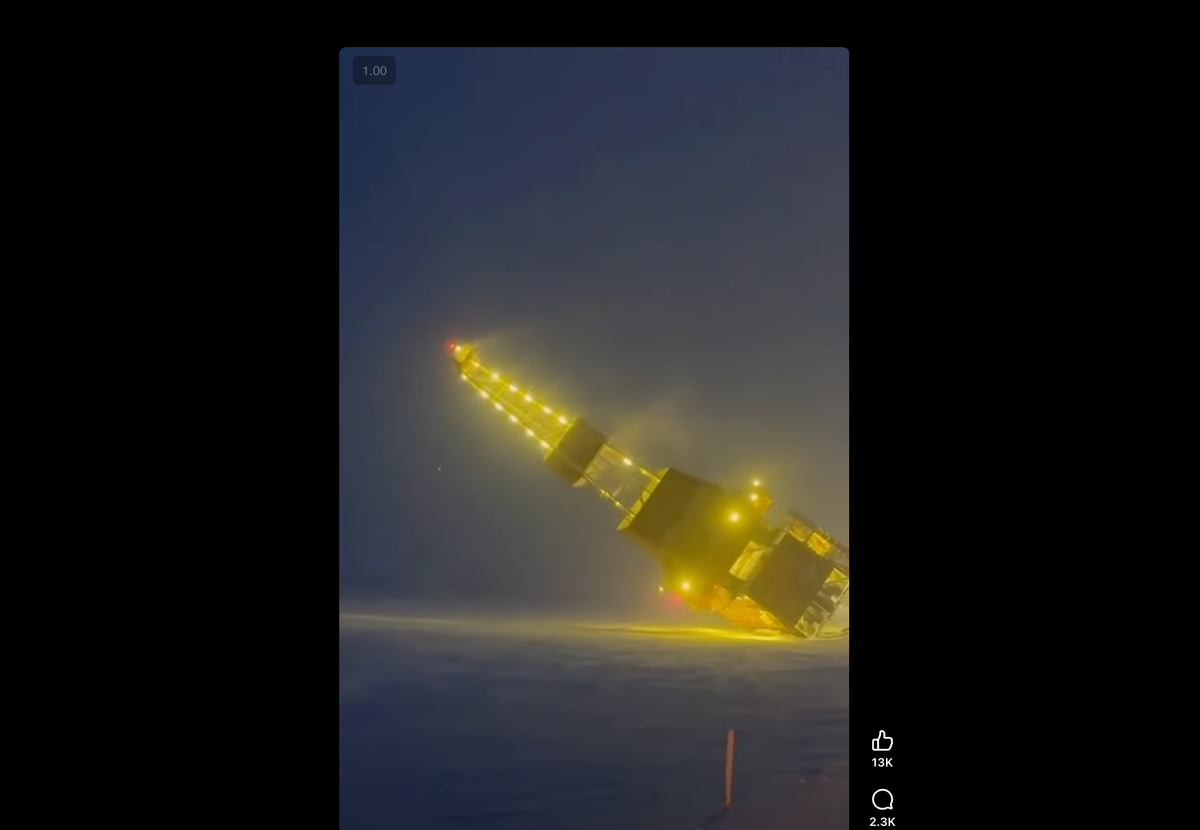
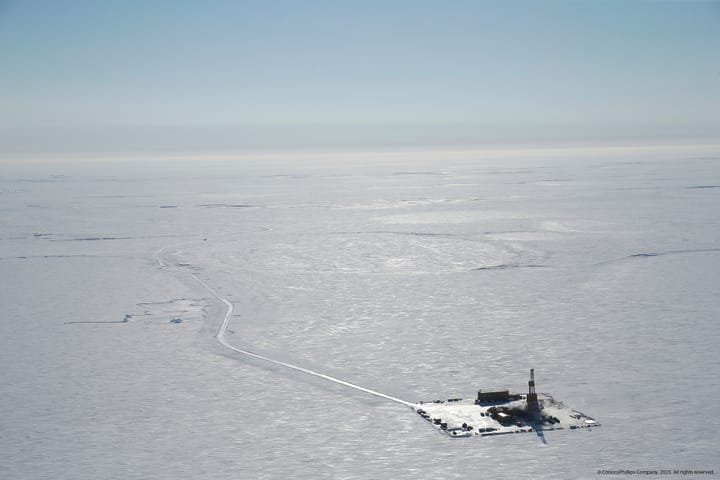
Oil giant ConocoPhillips is forging ahead with plans to drill exploration wells on Alaska’s North Slope this winter after a massive rig toppled over at one of its oil fields late last week, the company said Monday.
The toppling of “The Beast” — a rig owned by contractor Doyon Drilling — raised questions about whether ConocoPhillips could proceed with its plans to drill in search of oil near its massive Willow project, an oil field under construction in the National Petroleum Reserve-Alaska.
In a new legal filing, the company said it would use another Doyon rig as a substitute for the overturned one, as it moves ahead with its proposal to drill four exploration wells.
The new rig, known as Doyon 142, is "capable of completing all the planned drilling scope" of the toppled rig, but the switch could shorten the extent of data collection and production testing, the filing said.
“The Beast” fell over and partially caught fire on the frozen tundra while Doyon was moving it along a gravel road Jan. 23.
Doyon was transporting the 9.5-million-pound rig as part of ConocoPhillips’ winter exploration program, according to court filings. The drilling is set to take place west of the Iñupiaq village of Nuiqsut.
The rig is one of two that ConocoPhillips planned to use for its exploration work. The company is also planning a seismic survey — a form of geologic study that could inform future drilling — across some 300 square miles of federal lands southwest of the village.
The exploration program is one of the company’s largest on the North Slope in recent years. It’s occurring amid an uptick in oil development in the region, where recent geologic discoveries have drawn major new investments.
 Max Graham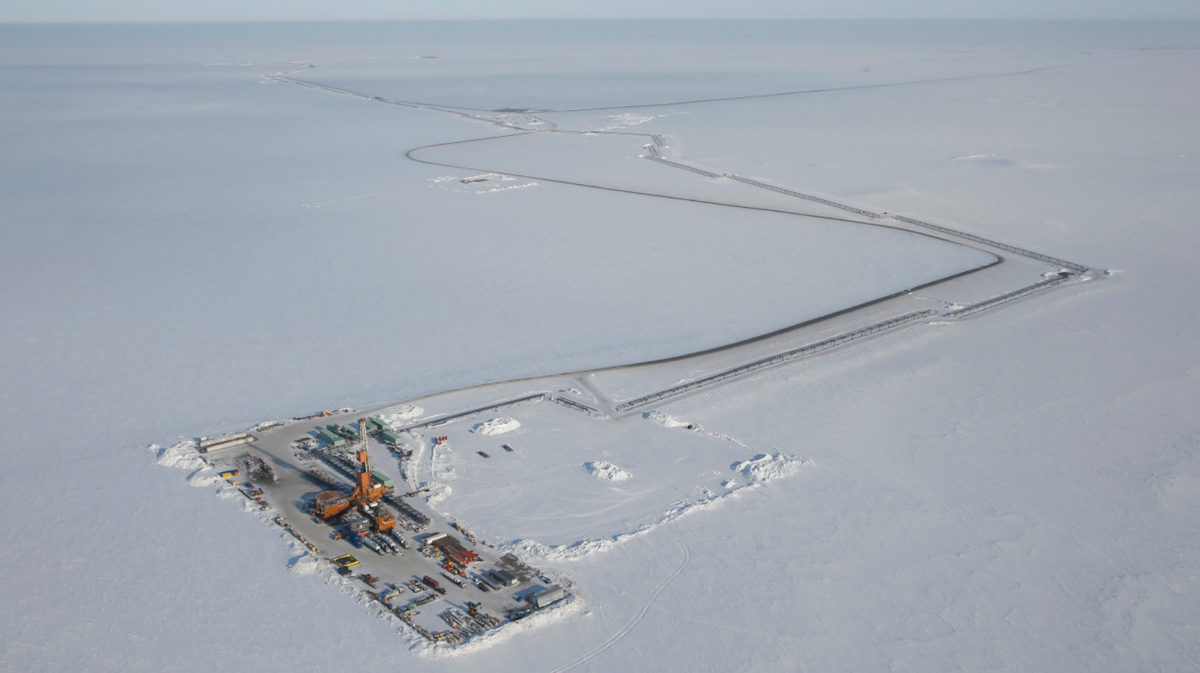
ConocoPhillips is set to drill its four new wells not far from its huge Willow oil field, which the company is spending some $9 billion to build. The company also recently proposed drilling and pumping oil at a separate site on the other side of Nuiqsut just two miles from the village, provoking pushback from local leaders.
Two national groups — the Center for Biological Diversity and The Wilderness Society — joined with a locally led organization, Sovereign Iñupiat for a Living Arctic, to sue federal regulators in December for approving ConocoPhillips’ exploratory drilling and seismic study. They say the work could harm caribou and tundra vegetation.
After the rig toppled last weekend, the organizations filed a notice in court questioning how the incident would affect the company’s exploration work. One of the groups’ attorneys, Ian Dooley, said in a phone interview Monday that the accident underscores arguments that the exploration plans and approval process have been rushed.
“Our clients have been raising these types of concerns from the very beginning,” said Dooley, who works for environmental law firm Earthjustice. ConocoPhillips, he added, is “not really taking the time to figure out what happened and to determine the cause of this incident — they are basically just grabbing another rig and going for it.”
A ConocoPhillips spokesperson did not immediately respond to a request for comment. The company said Monday in its legal response to the environmental groups that the flow of traffic in the area of the rig resumed the day after the accident, and that "there continues to be no threat to local infrastructure or communities."
Reporting like this takes time and money. Northern Journal's primary revenue source is contributions from readers. If you're already a member, thank you. If not, we'd be grateful if you'd consider a voluntary subscription.