‘Hard things are what’s cool about sport’: Gus Schumacher on a tough Olympics start
Anchorage's Gus Schumacher describes his experience of tough results while, meanwhile, his roommate was winning an Olympic medal.
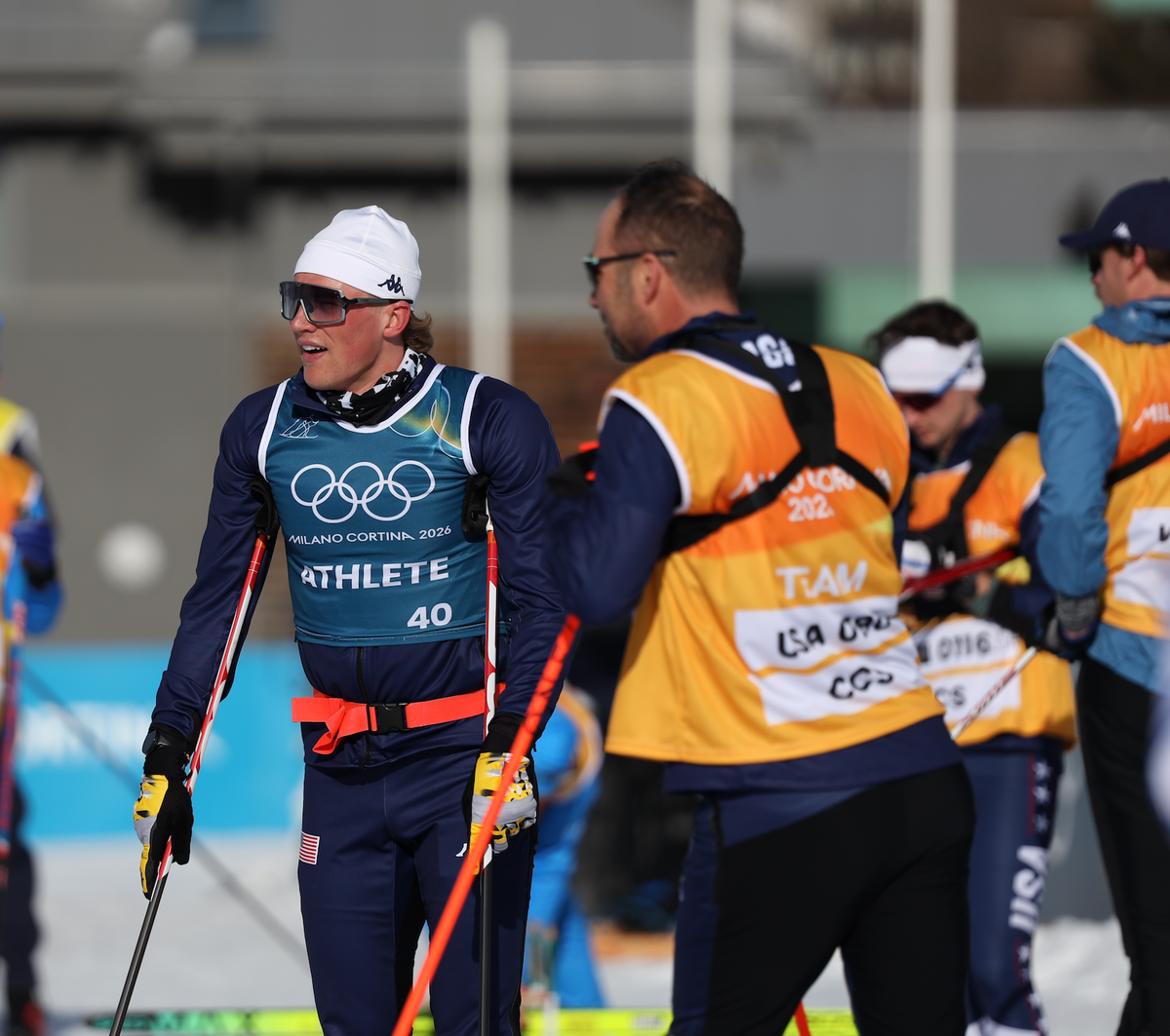
From Nat: as I wrote last week, I've been on assignment at the Winter Olympics in Italy. It's been a ton of work, but also a blast.
You can read all of my stories from the Games at my author page at the cross-country skiing website FasterSkier. They're all written for a general audience, so you don't have to be a ski fan to take a look.
I wanted to specifically republish this piece because, one, its subject, cross-country Olympian Gus Schumacher, is an Alaskan, and two, because what Gus shared about his tough start to the Games was interesting and moving.
As always, thanks for reading.
Gus Schumacher is one of the stars in U.S. cross-country skiing, and he was one of the team’s top medal hopefuls coming into the Winter Olympics in Italy.
Against the same field that competes at the Games, the Alaskan won a World Cup race in Minnesota in 2024. Then, Schumacher, 25, was on the World Cup podium twice more just last month, in Switzerland.
So far, though, his Olympics haven’t gone as planned, with tough results in several races. In his first one, he crashed. In the subsequent sprint — one of the disciplines where Schumacher was on the podium last month — he had another tough day, while his roommate and close friend, Ben Ogden, won a silver medal.
Speaking with media Friday, after his third race, Schumacher bristled, a bit, at a question from a reporter who asked him if, maybe, he was not having the best time at the Olympics. He said he was actually having a good time, and in a good place in spite of his results.
A day later, I asked Schumacher if he’d be willing to expand on his comments — but also offered him an out if he didn’t have more to share. He responded quickly by text: “Let’s do it. I’d rather get a story out there than have people make their own conclusions.”
Here's Schumacher in his own words.
Nat reached out to me yesterday to ask if I was up for an interview. His timing was good, because I almost for sure would’ve said no most of the last six days. The opening of my Olympics has been hard, and processing it has taken time and effort, but I’m so proud to have been able to get through some rough days and be ready to fight again and again.
For context, my hard races have involved a crash, an anomalous sprint qualifier, and a day where I think my skis had me out of the race in the second half. On top of it, my teammate and one of my best friends did something we’ve all wanted to do for years. I’m stoked for Ben, but it’s also still hard, and that’s fine! The real miss would be an inability to talk it out and move forward to race another day.
I’m proud of my team, and I’m proud of myself for how I’ve handled a rough start, because this thing isn’t over and I’ve still got skiing to do!!
Below is a transcript of my conversation with Schumacher. It’s been lightly edited and condensed for clarity.
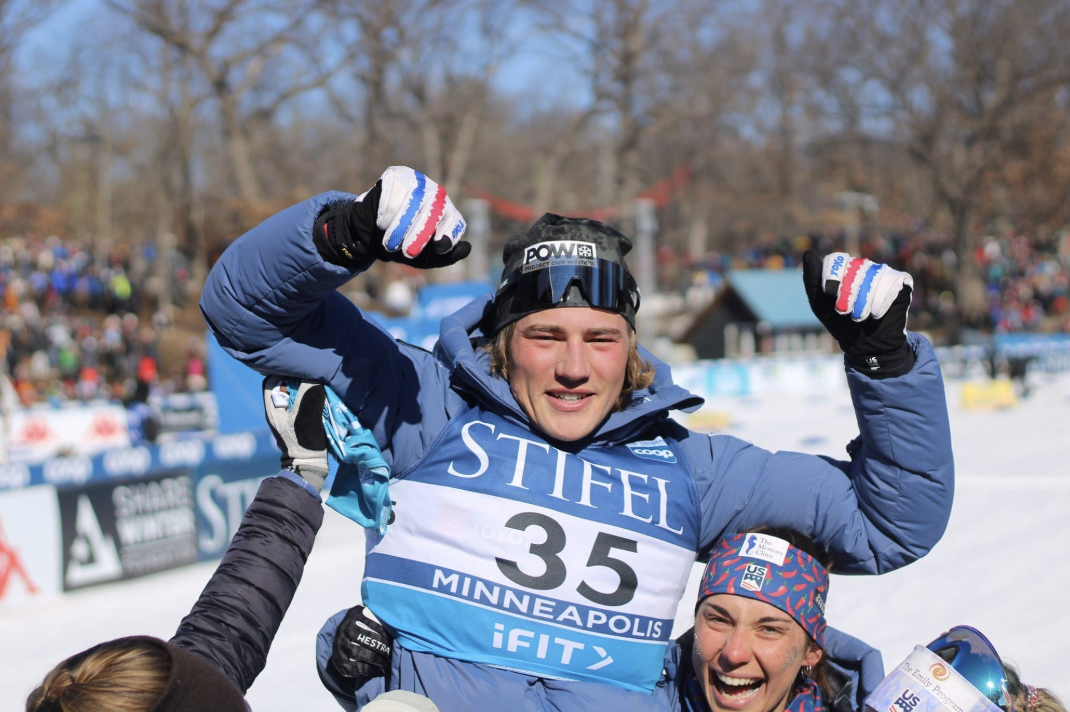
Nat: I don’t want to put words in your mouth — so maybe you could start by describing how it’s been for you here?
Gus: I can set the stage for people who are listening. So I finished this (10-kilometer freestyle race Friday) and I wasn't even on the results board — I knew I was far back. It was not what I wanted. And (a reporter) said, ‘So, I assume you're having a really bad week here.’ And I was like, ‘Okay.’ First off, I wasn't in a great mood then. But I've had a lot of things I'm really proud of. And I think, just, blanket statement, horrible week — it just goes to show you can't really assume how people are feeling, because you don't know.
I understand, obviously, yeah: It's not how I want to be skiing. In that sense, it hasn't been great. But I wouldn't just say I've had a horrible week, because these things make you better overall.
NH: Can you take us back to the beginning of your time here?
GS: I fell in the first lap of the skiathlon (the first Olympic race, which features legs in two different techniques, classical and skating). Someone fell right in front of me. There's just a chain reaction, and maybe I could have put myself in a bit of a different place. I could have set myself up otherwise. But it was a crazy corner. I crashed there, 30 seconds back pretty quickly, and the pace was hot. In hindsight, I wasn't going to have a chance of catching the leaders, which is where I wanted to be skiing.
And I skied well — I think the classic went really well. In the skate, I think my motivation flagged a little bit. And I realized I have a lot more racing, and it wasn't worth it to push super hard to get into 20th or something. But, you know, there were still some good things about how I skied.
But it's also still hard to really feel good in that situation, because you're kind of swimming upstream.
I left that, and I was just already on the back foot, needing to refocus — basically, not having a super confidence inspiring race, even if I was skiing pretty well. Objectively, it still wasn't the result that I wanted. And then two days later, in the classic sprint, I didn't qualify (as one of the top 30, who move into heat rounds), in an event where I've been pretty solidly qualifying lately. And I was really far back. I wasn't in the realm of where I feel like I've been skiing lately. So that was another bummer.
I want to say it was (problems with my) skis. I know there's not super conclusive evidence of that. But I think that’s the best way for me in a championship to go forward — because I can't change anything now, and I need to believe in my fitness, and I do. It’s just to say there's something going on under the feet, and whatever: I'm racing again soon.
And then (teammate and close friend) Ben (Ogden) got a medal (in the sprint). And that was a crazy event for all of us, especially me. Definitely took some thinking and processing to go through — especially given my tough start. I think I did a great job of getting back to a place where I'm just excited to ski and do what I can do.
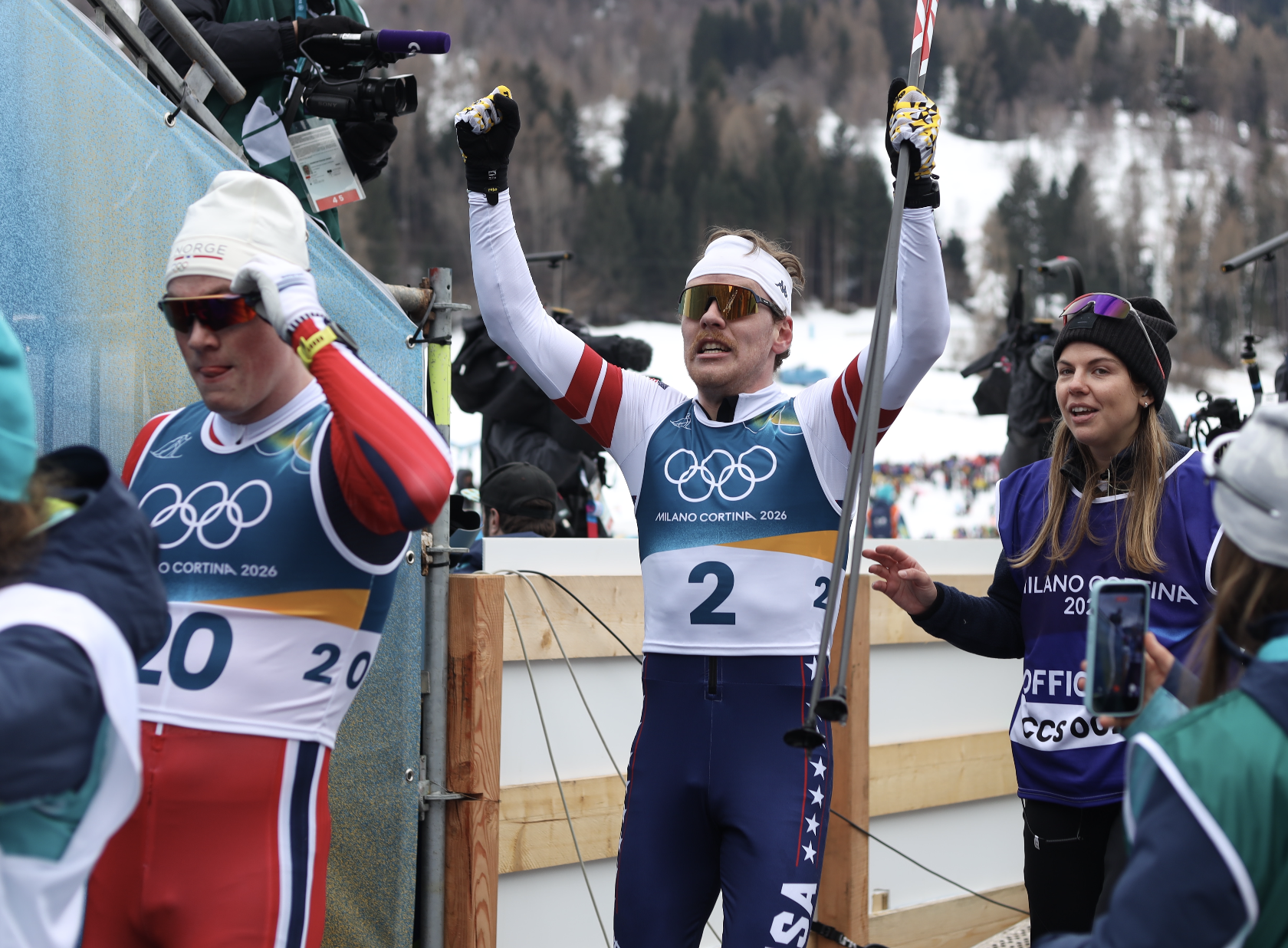
And then in (Friday’s) 10 k, again, I just really struggled. And I opened well, I feel like I skied really well. And again, something just didn't line up, didn't work. And I'm just gonna go with the skis again, basically. I don't know exactly what it was. I think it probably has something to do with how they were actually pushing, and pressure stuff, which is kind of weird. But for my own sake, for these next races, I do still think I'm skiing well, and my movements are good and my energy is good.
NH: Fair to say this is about as hard an environment as exists to have to deal with this stuff, though?
GS: Yeah. In a normal World Cup weekend — and I had this at the beginning of the season, and it was still hard — you've just got another race the next weekend. And it's easy to just say, ‘Yep, first race of the season. Shit luck. We got time.’
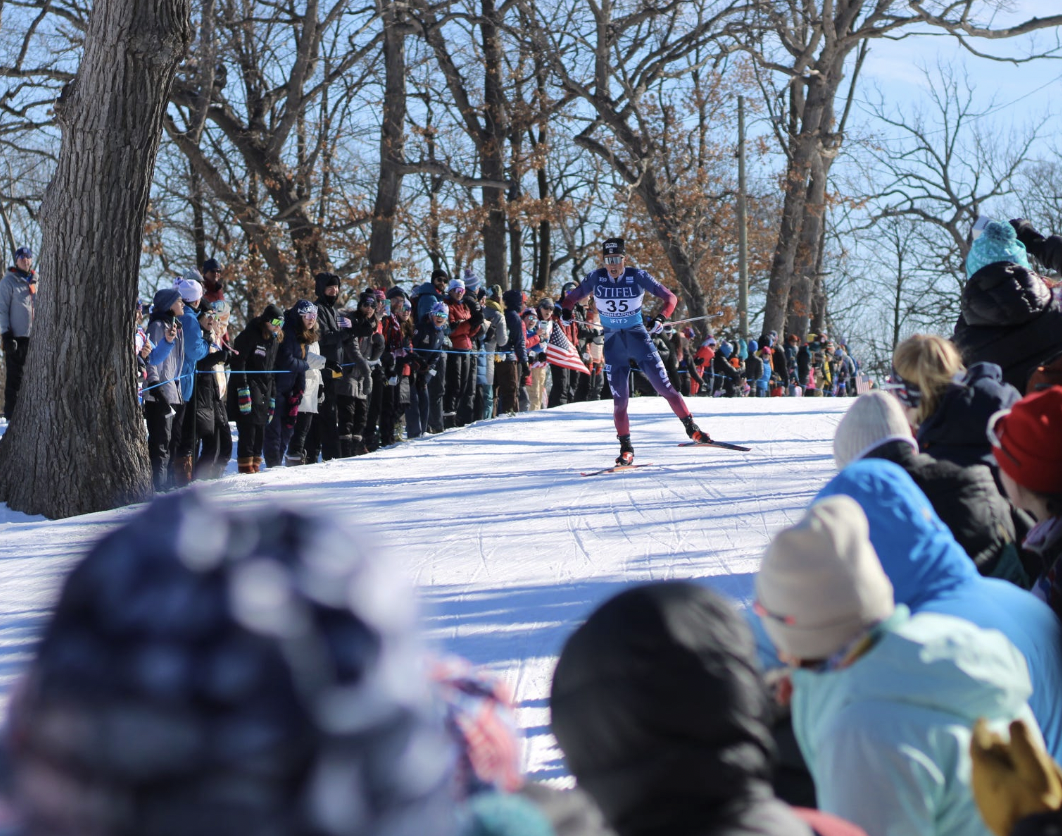
But right now, I’m getting interviewed by NBC before every race. And everything's going viral on social media. And it's just a big moment, as people like to say. And it's when everyone wants to be at their best. Part of what's so hard about winning the Olympics, or medaling, is just that your timing has to be good. And my timing's been great before. You know, Minneapolis, I still think, is the craziest timing ever. (In Minneapolis, Schumacher took his first-ever World Cup win when the circuit was on its first swing through the United States in more than two decades.)
But, yeah, it's really hard place to deal with tough results. Even if they're not entirely because of me, or they're a little bit out of my control, it doesn’t really matter.
At the end of the day, to all the people that never watch skiing — it sucks, in my head, to feel like all those people won't recognize me. And I know that's somewhat vain — but, you know, a lot of this is vain. And there’s a part of me that’s, just — I want to be a ski star. I want to be really good, and I am, and it's just through the first half of this championship, it hasn't worked out amazingly. But there's still time. At the end of the day, I just want to be skiing fast, in general. Skiing fast is what's fun to me. And it's cool if it's at the Olympics — but it's also cool if it's at the Tuesday night race (in Anchorage, Schumacher’s home town), in April.
NH: I talked yesterday with Ben Ogden about how you guys have been navigating since he won the first men’s Olympic medal in cross-country skiing in half a century — which is something that many of you guys on the men’s team are gunning for, but only one of you got.
He spoke about how that’s obviously a challenging dynamic, but said you guys have been navigating it really openly. He’s also your roommate here in Italy.
Can you talk about all that?
GS: I mean, it's been, honestly, great. It's super hard. But having it be Ben is so nice. But he's so good in that situation.
Obviously, it's really cool and big for all of us. But everyone wants to be the guy to break the drought, right? And I, for sure, wanted to be that guy. But I also wanted to win the green bib (of best under-23 skier on the World Cup). And I didn't do that, because I wasn't skiing that fast, and he did. And that was really cool, that he did that. And then, I'm sure he wanted to compete (at the World Cup) in Minneapolis, but he got mono, and I won.
It’s not just Ben and I. (American) JC (Schoonmaker) got the first podium of any of us, and Ben was fourth that day. We all know how it feels to be on the other side.
Ben came back in the room at 5 p.m., after a one o'clock finish — he'd had a crazy afternoon. I know he had interviews lined up, and I’d just been at home, basically stewing about myself and about the whole situation. And I can't remember exactly what he said, but the first thing he said, basically, when he came in the room, was: I've been thinking about you.
And that meant so much to me. That he would go through all of this, and enjoy himself — I know he was really enjoying himself, and I would not want him to not enjoy himself — but to have your teammate just immediately recognizing: Yeah, I know how it feels to be on the other side.
It made it so much easier for me. And I've been clear with him, too, that yeah, it's kind of hard. But I'm also really proud of him, and it's really cool that he (won silver). One of us needed to do it, and it's so, so cool that one of us did. And I also really want to be racing faster, and those things can be true together.
It's hard. But the hard things are what's cool about sport, and the Olympics. And the hard times are a lot of what I enjoy about what I do, because I think it makes me a better person. It just makes everything else in life feel so much easier.
To have a team like this, that can have those conversations and be real about it is so nice. Because obviously, it's not sunshine and rainbows, no matter what it is. You can love someone with all your heart, and if they get something that you wanted, that you can't have, or you didn't get, it's hard. And I'm really glad we don't just say, ‘I'm so happy for you. Nothing but tears.’ Because it’s not always true. At least for me, honesty is the best policy. And to be able to air stuff makes it so much easier to just go on with it, and talk about the real things.
NH: Maybe this is touchy, but just to put a fine point on it: It’s not just that you and Ben both wanted a medal, any medal. He won this medal in a specific event that you were also racing in, and could very well have won a medal in.
GS: Yeah. I mean, watching him, it felt a lot like what I did two weeks ago. (Schumacher finished second in a World Cup sprint race in Switzerland in late January.) He looked amazing, and I felt really good in (Switzerland), and I didn't even really get tired — and the other guys were sort of tired in that final, and it was so similar.
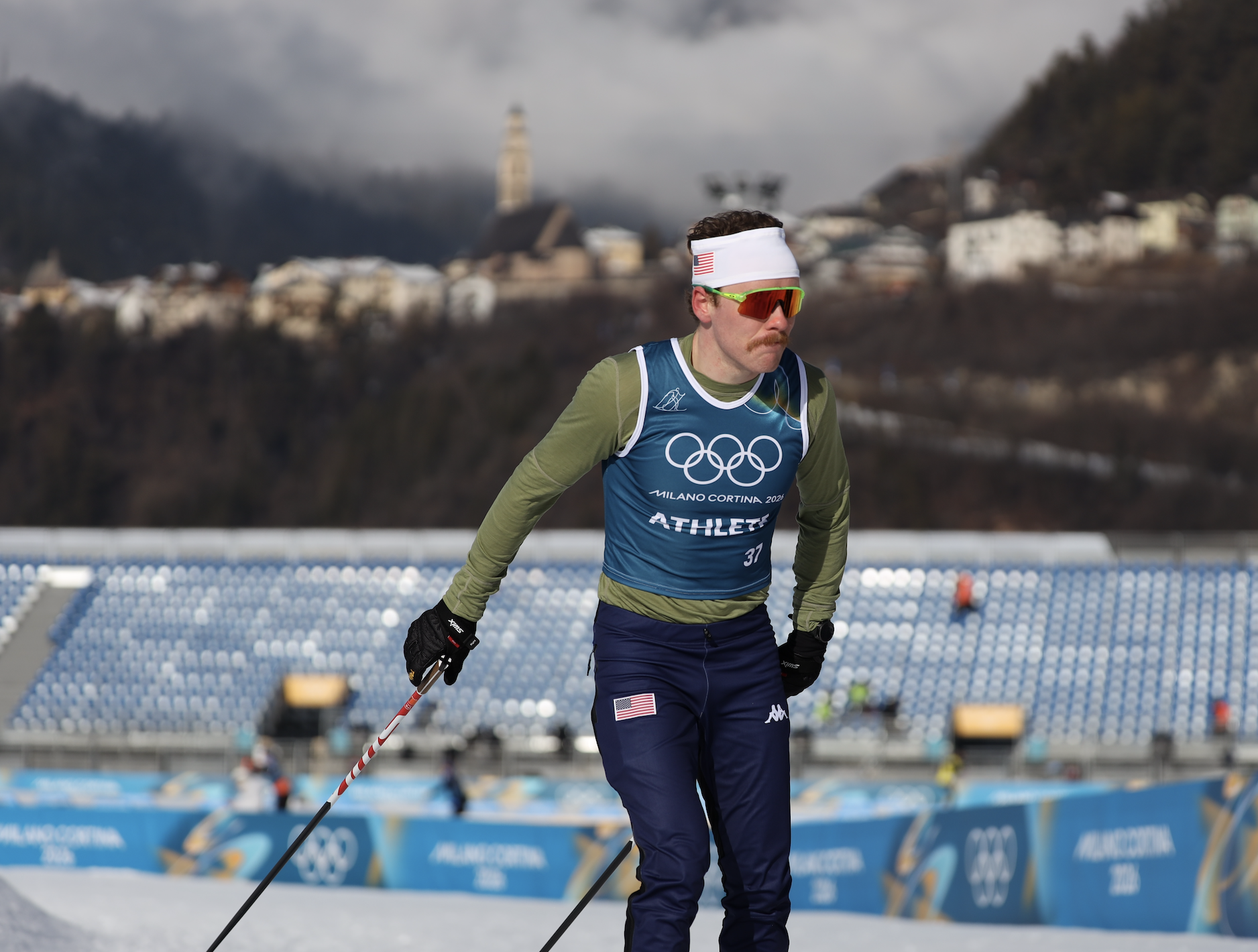
So, yeah, it felt like, ‘Fuck, it'd be awesome if that was me.’ But that's just how it works in sport. Sometimes you're there, sometimes you're not. And if it was always the same, it would get boring.
NH: I’ve been thinking back to the Beijing Olympics four years ago. You had a pretty hard time there, but I wonder if you think it’s right to say that you are experiencing things here in a different way — maybe with more resilience based on that past Olympics experience.
GS: For sure. Everything I do, I think, makes it easier. But four years ago is, for sure, different — a different type of disappointment. And I'd rather have this one — I'd so much rather be in a true contender seat, where I feel like I have a shot at medals. I'd so much rather have that than not be recognizing my body — not be, just, super tired going up the hills.
I learned a lot from Beijing, and I got a lot better after that. Mentally, it's been a really cool experience to go through these emotions, feel them really well, write them down, pay attention to it, and talk to a bunch of people that can think with me. And I can just, sort of, rant, or do whatever, and get through it and be ready for the next one, because that's what you need to do, when you’re feeling good, especially.
I'm still feeling good. And it would be such a shame to have a couple bad races and mentally throw in the towel, because it's hard to draw confidence from a race where you fell in. That's silly. I can draw confidence from so many things, and that's what I'm doing. The most recent experience I have, which is the easiest one to go on, is not great. But I've got a lot more in the tank to draw from, and I’m really excited to go out there and do what I do.
NH: Fair to say you feel like you are mentally prepared to show up on the start line of the men’s relay tomorrow with a clear head and some confidence in your fitness?
GS: Yeah. I think I'm ready to ski with the best, no matter what has happened so far. And that's where I want to be. And I feel confident that that's where I am. And I'm really excited to lay it out there for the team tomorrow, because I think we have a really strong team right now. I maybe alluded to, ‘Ben got something that I didn't get.’ But this Games isn't over — and we've got more Olympics (in four and eight years), too. I feel confident that I've still got time, which is nice.
NH: I think I want to print this just as an unadulterated Q&A. Do you feel good about that?
GS: Yeah — I think it's important to talk about some of the hard things. It's what makes our team strong. And I think it is something that is often so much more helpful than I even know for people to hear. Because a lot of this stuff is pretty applicable not just to sports, but even just day-to-day life.
Shit happens, and sometimes it happens when you really don't want it to. You’ve got to move through it, and it's so much easier said than done. But I think talking about it — and hopefully I shed enough light on it to maybe inspire people, to help them understand — I think it's a good message. It makes me proud to know that I'm still in the fight because of how I've gone about it.