In new agreement with state, Indigenous landowners soften resistance to Ambler Road
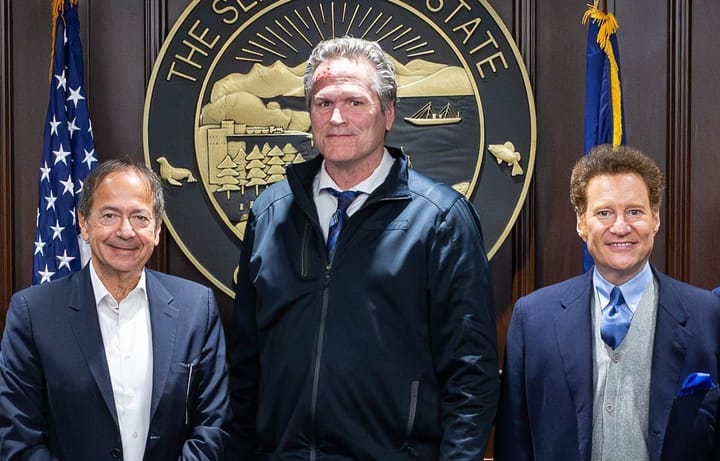
Three Alaska Native corporations and the state agency pushing the Ambler Road quietly signed a nonbinding agreement late last year.
Even after the Ambler Road got a green light from the Trump administration last year, the contentious state-proposed mining haul route across northern Alaska hasn’t been a sure bet.
For one thing, the 211-mile road still needs substantial financing — to the tune of hundreds of millions of dollars, if not more than $1 billion.
It also needs approval from two private companies that own some of the land the route would cross: the Indigenous-owned regional corporations for Northwest Alaska and the Interior, known as NANA and Doyon, respectively.
A tense relationship between those businesses and the Alaska Industrial Development and Export Authority, the state agency pushing the road, has been a key challenge for the project.
But an agreement quietly reached between the two corporations and Alaska state agencies signals that those dynamics could be shifting.
NANA and Doyon signed a nonbinding memorandum of understanding with the industrial development agency, known as AIDEA, and a few other stakeholders in early December.
The agreement, which hasn’t been previously reported, reflects “a mutual interest in creating a clear framework for future discussions about how to best advance” the Ambler project, John Lincoln, NANA's chief executive, said in a statement to Northern Journal.
In recent years, the Native corporations have criticized the state’s approach to the project and restricted access to their lands, with NANA saying that the agencies pushing the road were not adequately consulting with residents along the route.
The new agreement does not reflect a formal change in NANA’s position or a decision to support the road, a NANA executive wrote in a Jan. 16 letter to shareholders obtained by Northern Journal.
But it does appear to mark a milestone in negotiations between the corporations and state officials.
State officials and other signatories would not release a copy to Northern Journal. A public records request with the state agencies involved is still pending.
The agreement includes certain requirements aimed at protecting regional interests if the road advances, including jobs for Indigenous shareholders, strong subsistence protections and limiting future road access to private and industrial use, according to NANA’s shareholder letter.
The road’s boosters say that access would be limited to private and industrial traffic. But some of the project’s critics worry that it could eventually draw urban hunters who would compete with locals for caribou and other harvests.
NANA’s letter to shareholders says the agreement “begins the process” of forming a legal entity that could hold permits, easements and other rights associated with the road project.
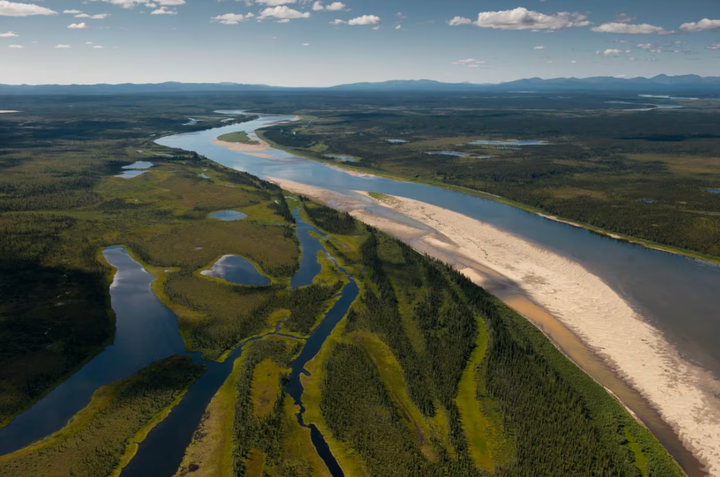
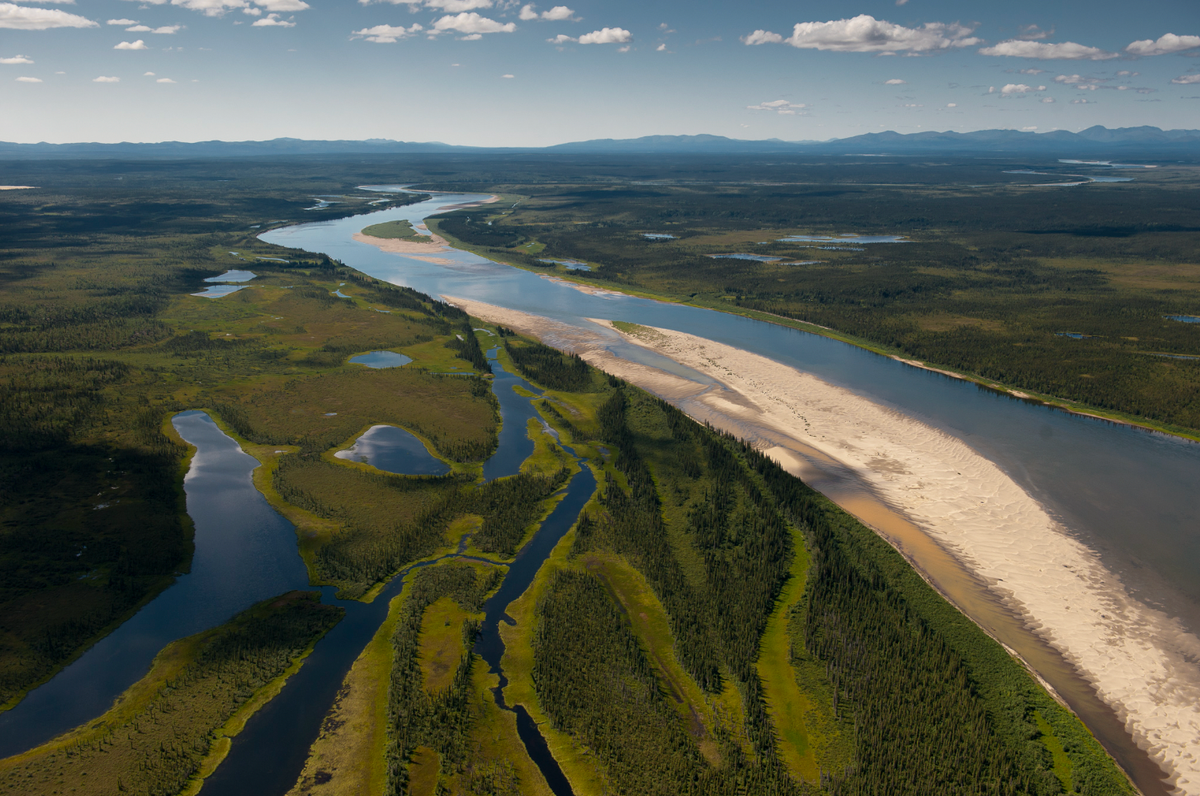
The project would stretch across the southern foothills of the Brooks Range, headed west toward mineral deposits away from the existing North Slope oil-field access road, the Dalton Highway.
The proposal has long provoked fierce debate across Northwest Alaska and the state. Supporters say it could create much-needed jobs and stimulate the economy in a rural region where full-time employment is scarce; opponents say it risks disrupting a wild swath of the Arctic, potentially harming caribou, fish and subsistence traditions.
Observers on both sides of the issue have been keenly watching NANA and Doyon’s positions on the project.
Both landowners initially allowed AIDEA to conduct preliminary work on their lands. But they then chose to discontinue permits when they felt like the state’s efforts weren’t sufficiently accounting for local interests.
Last year, state officials intensified efforts to win the corporations’ support. The project also got a huge boost from the Trump administration, which undid Biden-era restrictions and reinstated the project’s federal permits.
The new agreement “does not constitute a final determination about the Ambler Road, its construction, or any commitments from the signatories,” Lincoln, the NANA executive, said in his statement.
Rather, Lincoln added, it “is meant to foster constructive conversation and shared understanding.”
“Everyone involved remains focused on thorough analysis, open communication, and honoring the needs and perspectives of the communities that could be affected,” Lincoln said.
A Doyon spokesperson declined to answer questions about the agreement.
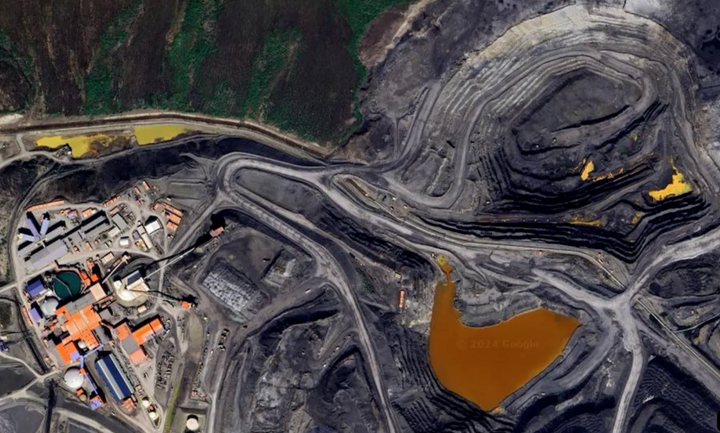
Other signatories include Ambler Metals, a company seeking to develop twin mineral deposits near the end of the proposed road; K’oyitl’ots’ina Ltd., another Indigenous-owned corporation in the region; the U.S. Department of the Interior; and the Alaska Department of Fish and Game.
Reporting like this takes time and money. Northern Journal's primary revenue source is contributions from readers. If you're already a member, thank you. If not, we'd be grateful if you'd consider a voluntary subscription.