One of Alaska’s flagship mines soon could draw energy from the sun
Red Dog is racing to displace costly diesel with solar power before federal tax credits expire.
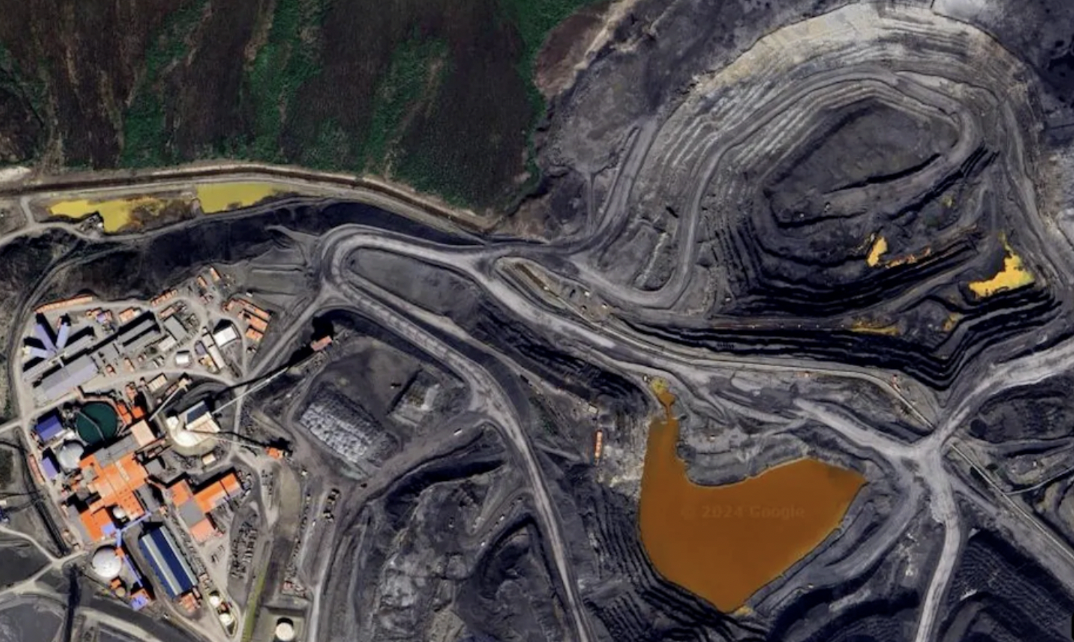
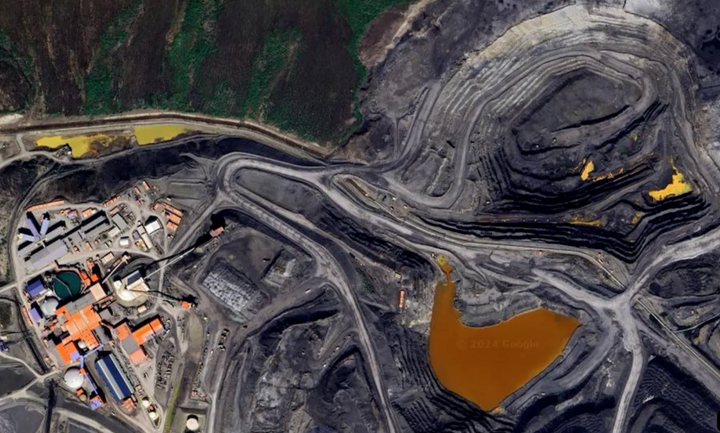
The operator of Alaska’s massive Red Dog mine says it wants to use the sun to help power the sprawling zinc operation, which currently burns expensive, imported fossil fuels.
If built, a newly proposed 8.8-megawatt solar farm at Red Dog would have slightly more capacity than the state’s largest existing farm, in the Susitna Valley north of Anchorage.
Unlike some of the state’s other large mines, Red Dog is completely off grid in a remote area of Northwest Alaska, hundreds of miles from the gas-, coal-, and oil-fired plants that power urban areas. That means the mine relies on millions of gallons a year of pricey, barged-in diesel for energy.
The new solar array and an accompanying battery system, according to mine operator Teck Resources, would boost energy supply in summer months, when power demand surges. And it's expected to lower costs by reducing the amount of diesel Red Dog burns — roughly 40,000 gallons each day.
The project also aims to curb Red Dog’s greenhouse gas emissions — a company-wide goal for Teck and other global mining corporations.
The solar farm would be built at a pivotal moment for the mine.
Red Dog has been a major economic driver in rural Northwest Alaska for some three decades, sustaining high-paying jobs and substantial revenue for the borough government. But it’s running low on ore and is slated to close in 2032.
To keep the mine running, Teck has been studying whether tapping into two new mineral deposits could be profitable. The company plans to spend between $150 million and $180 million on the extension project this year alone. And future power demand is expected to exceed existing supply, the company said in a recent submission to state regulators.
The solar array could add capacity if the company decides to mine the new deposits. But it also would support mine closure, Teck said. After Red Dog stops operating, the company expects to continue treating more than one billion gallons of wastewater annually, according to the mine’s reclamation plans.
The solar farm would supply about 2 megawatts of electricity during the summer, according to Teck. That's a fraction of the roughly 25 megawatts that Red Dog typically needs.
But “it is currently the most direct, achievable, and timely option for delivering a meaningful portion of required capacity,” Teck said.
The project would “return the most value” if Teck extends the mine’s life, a company spokesperson, Treena Wood, said in an email. But the extension project “must still advance through the planned project stages” independent of the solar proposal, she added.
Teck still anticipates a few more years of exploratory drilling and analysis before deciding whether to move ahead with the extension.
The solar farm, however, would likely happen a lot sooner: Teck wants construction to start by June. That’s a crucial deadline because lucrative federal tax credits created under the Biden administration expire in July — and without those incentives, the solar farm would not be financially viable, according to Teck.
Teck’s rush echoes a separate push by Anchorage’s urban utility, Chugach Electric Association, to build a solar farm on the west side of Cook Inlet in time to qualify for the credits. That project could produce up to 10 megawatts of power.
Other, larger-scale renewable energy projects — namely big wind farms — have stalled in Alaska as federal support and investment opportunities have dried up under the Trump administration.
But Red Dog’s proposal aligns with a global trend of mining companies moving away from fossil fuels to power their operations. And it shows that even in a political climate hostile to wind and solar, renewables are still attractive purely for economic reasons, according to Phil Wight, an energy historian and professor at University of Alaska Fairbanks.
Teck’s plans offer a glimpse of “what is economically rational in the private sector,” he said.
Other large mining companies operating in Alaska have warned in recent years that the state’s high energy costs and reliance on fossil fuels could thwart future investment.
Mines use huge amounts of energy to dig up ore and then crush and grind it to separate out valuable minerals. They’re among the state’s biggest power consumers. And electricity is among their biggest operating expenses.
Looking to cut costs, some companies that operate Alaska mines have been encouraging the state’s cooperatively-owned urban utilities — particularly in the Interior, where the grid runs partly on pricey, oil-based fuel — to expand their limited use of wind and solar power.
 Max Graham
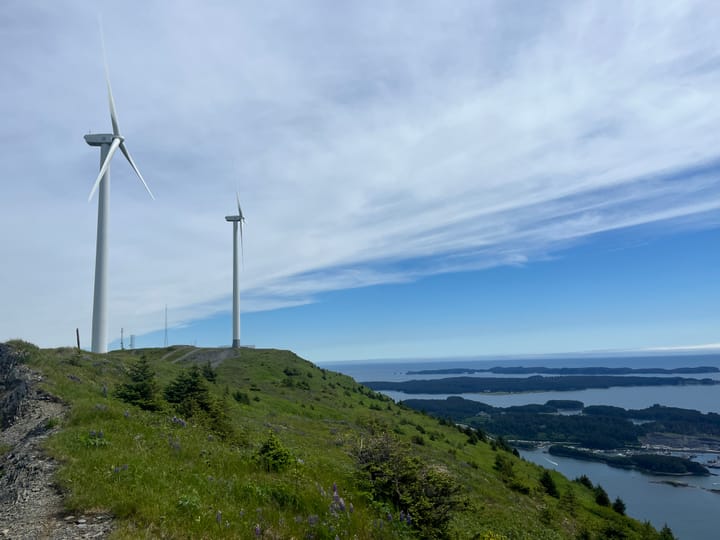
Red Dog would be the first large mine in the state to draw substantial energy from an on-site solar array.
The farm would span 30 acres, partly on land owned by Northwest Alaska’s regional Native-owned corporation, NANA.
A Canadian company, Tugliq Energy, would build and operate the project, according to Teck.
Teck and Tugliq are working out a contract that would set the price and other terms of power purchases, said Wood, the Teck spokesperson.
Tugliq is responsible for funding the project, she added. She declined to provide a cost estimate.
Reporting like this takes time and money. Northern Journal's primary revenue source is contributions from readers. If you're already a member, thank you. If not, we'd be grateful if you'd consider a voluntary subscription.