Opinion: Trump would never eat muktuk. Why Alaskans should stand with Greenlanders now.
I’ve worked as a climate and ice scientist in Greenland for almost a decade. Alaskans share language, wild foods and culture with the people who live there.
From the publisher: It's rare for Northern Journal to publish opinion pieces; in fact, this might be the first one. But I've never ruled out the idea — I've just been waiting for the right pitch. This piece, from friend and Anchorage scientist Aurora Roth, offered an original perspective on an issue of significant import to Alaskans, and I'm excited to feature it here.
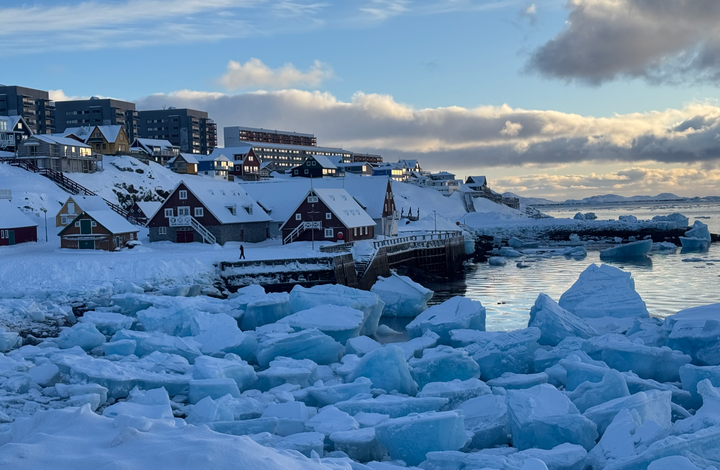
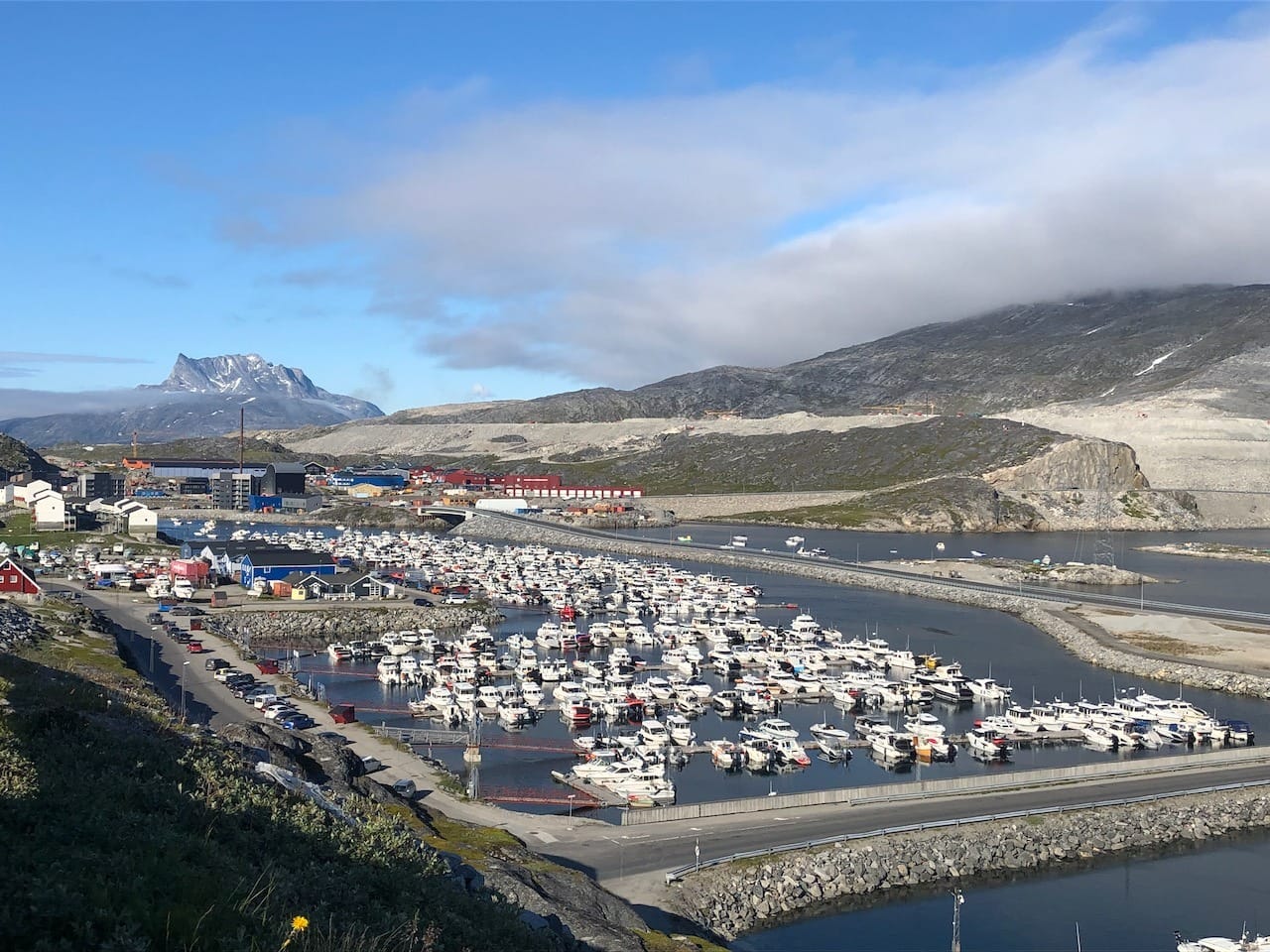
On a walk through Greenland’s capital city in November, I stopped to watch as faint northern lights came into focus over the harbor. Anyone from Ketchikan, Homer, or Dutch Harbor would have recognized the view: a maze of docks, stacks of colorful fish crates, and silhouettes of commercial fishing boats backed by mountains. The aurora — known locally as arsarnerit — stretched across the night sky.
I’ve worked as a climate and ice scientist for almost a decade in Kalaallit Nunaat — meaning “Land of the People” in Kalaallisut, the Greenlandic language. This past week has been nauseating. Glued to my phone, I’ve watched as friends and colleagues in Greenland protest the rhetoric of the government that represents me.
What seemed like a joke to many last year — the idea of the United States “taking” or “buying” Greenland — has now snowballed into an intercontinental conflict that could crack apart NATO and fundamentally alter our geopolitical alliances in the Arctic. European nations have sent troops to the island to build up a NATO military presence, and President Donald Trump at one point was threatening tariffs on those nations.
Trump’s threats have major implications for Arctic security and global geopolitics. But the relentless headlines have also obscured the way that the presidential posturing has deeply affected Greenland’s people — and the many Alaskans with deep cultural, political, and scientific ties to the island.
This includes me. Working alongside Greenlanders as a scientist on Greenlandic-owned and -operated research ships, I’ve developed cherished friendships. I’ve also discovered how much Greenlanders’ core values resonate with my own, and with those of many Alaskans: a deep connection to place, and a fierce belief that our futures must be decided by us, not by far-off politicians with little knowledge of the lands we call home.
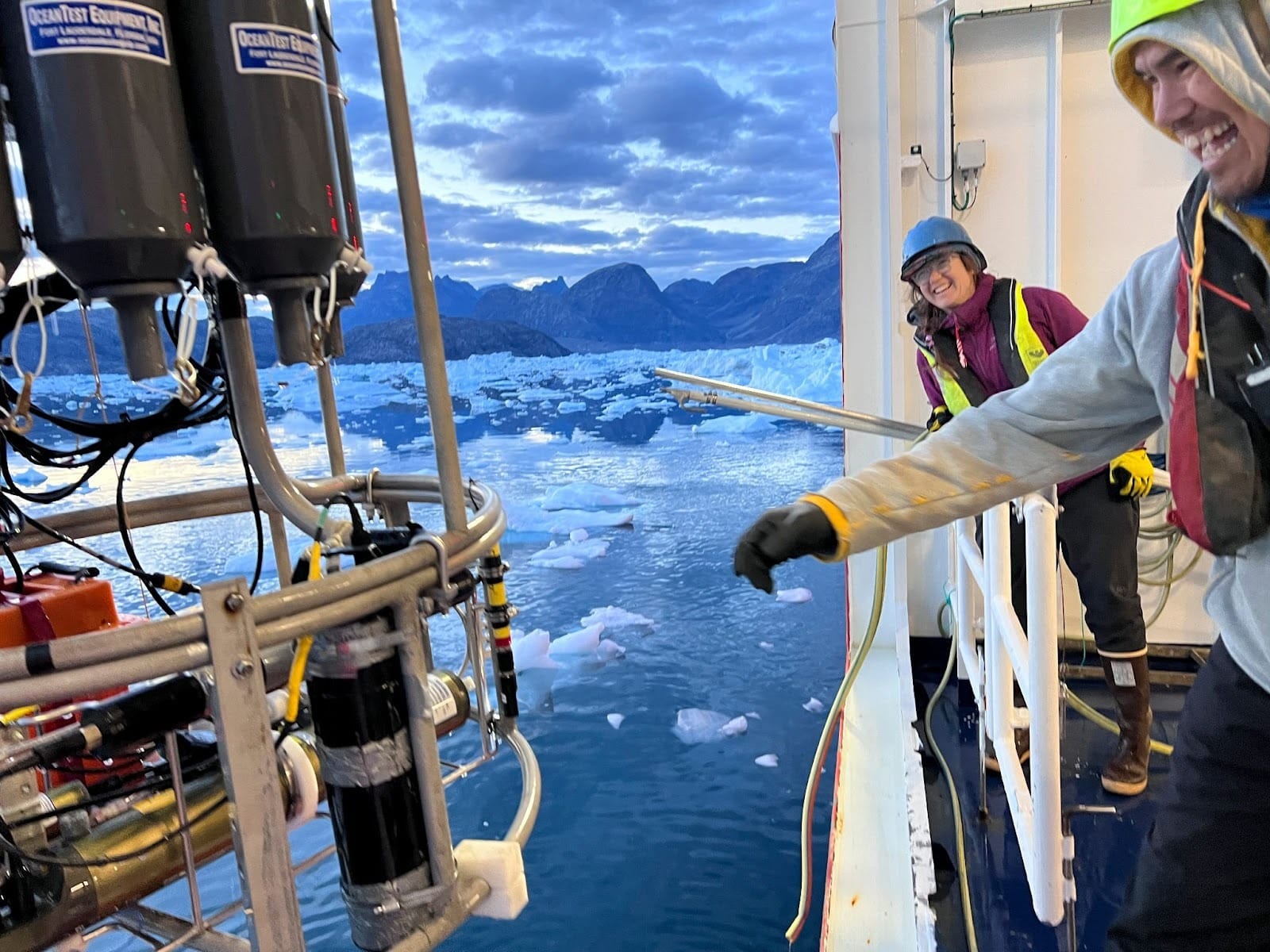
Greenland is larger than the entire state of Alaska, and its coastal communities, glaciers, and rolling tundra might feel distant and mythical to people from the Lower 48.
But Alaskans know the island as a home to friends, colleagues and even distant Indigenous relatives. Young people from Greenland and Alaska have raced each other on ski trails in both places during the Arctic Winter Games. The annual summer field season sees a migration of Alaskan scientists to Greenland, studying climate change and community impacts together with local colleagues. Greenlanders and Alaskans have jointly drafted critical policies through the Arctic Council and Inuit Circumpolar Council.
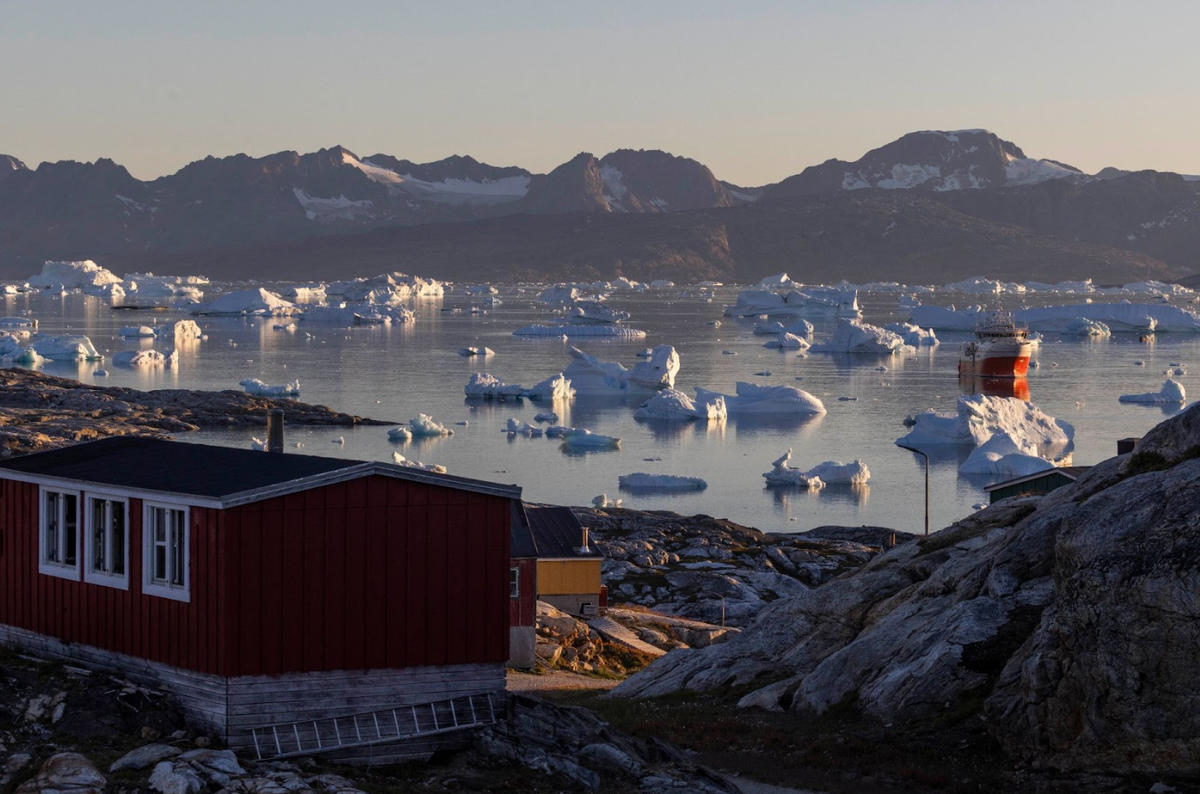
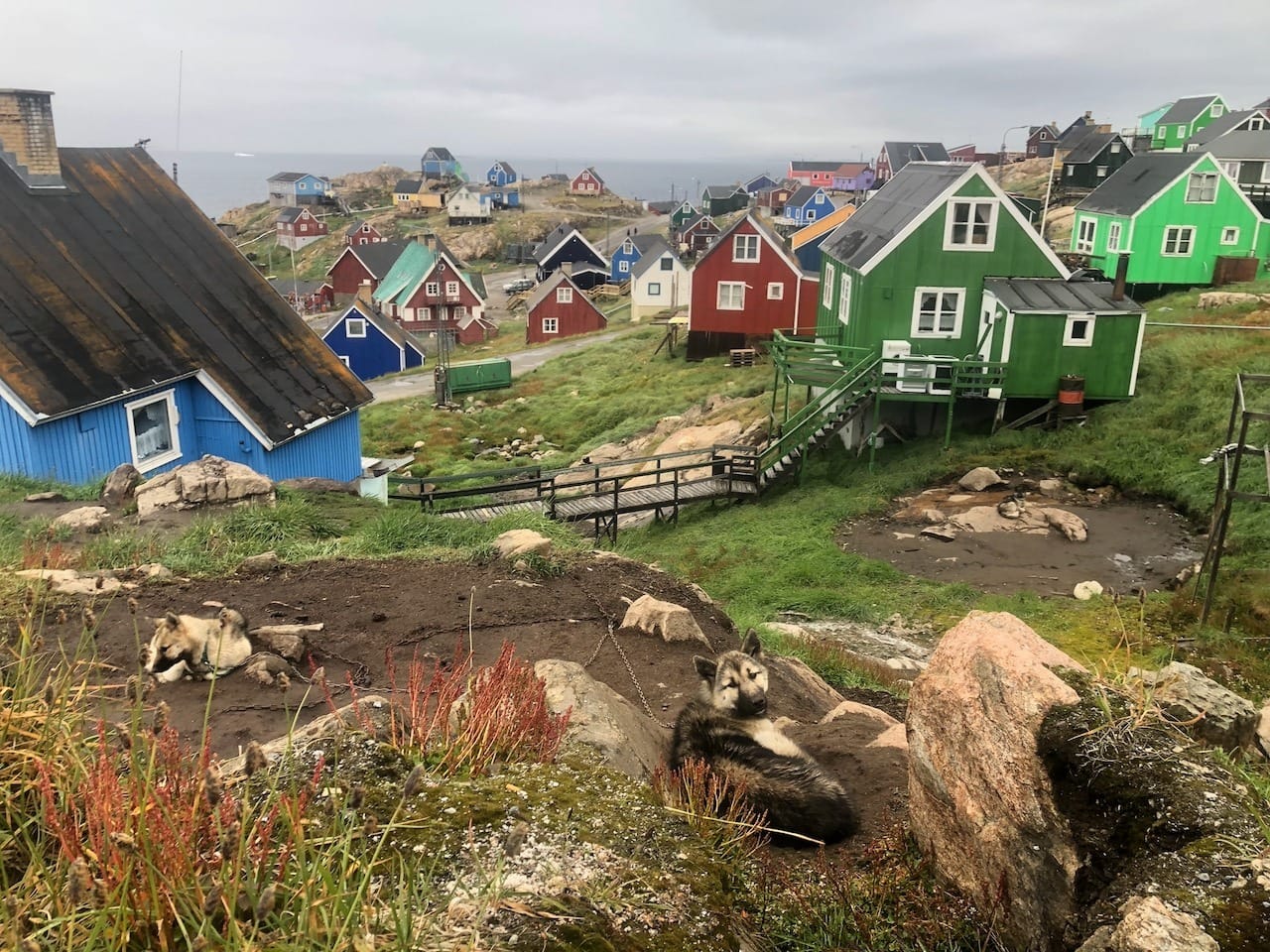
The two places — though separated by over 1,000 miles across the Beaufort Sea and Arctic Ocean — share landscapes, traditional foods, linguistic roots and intertwined histories of colonization and enduring cultural strength.
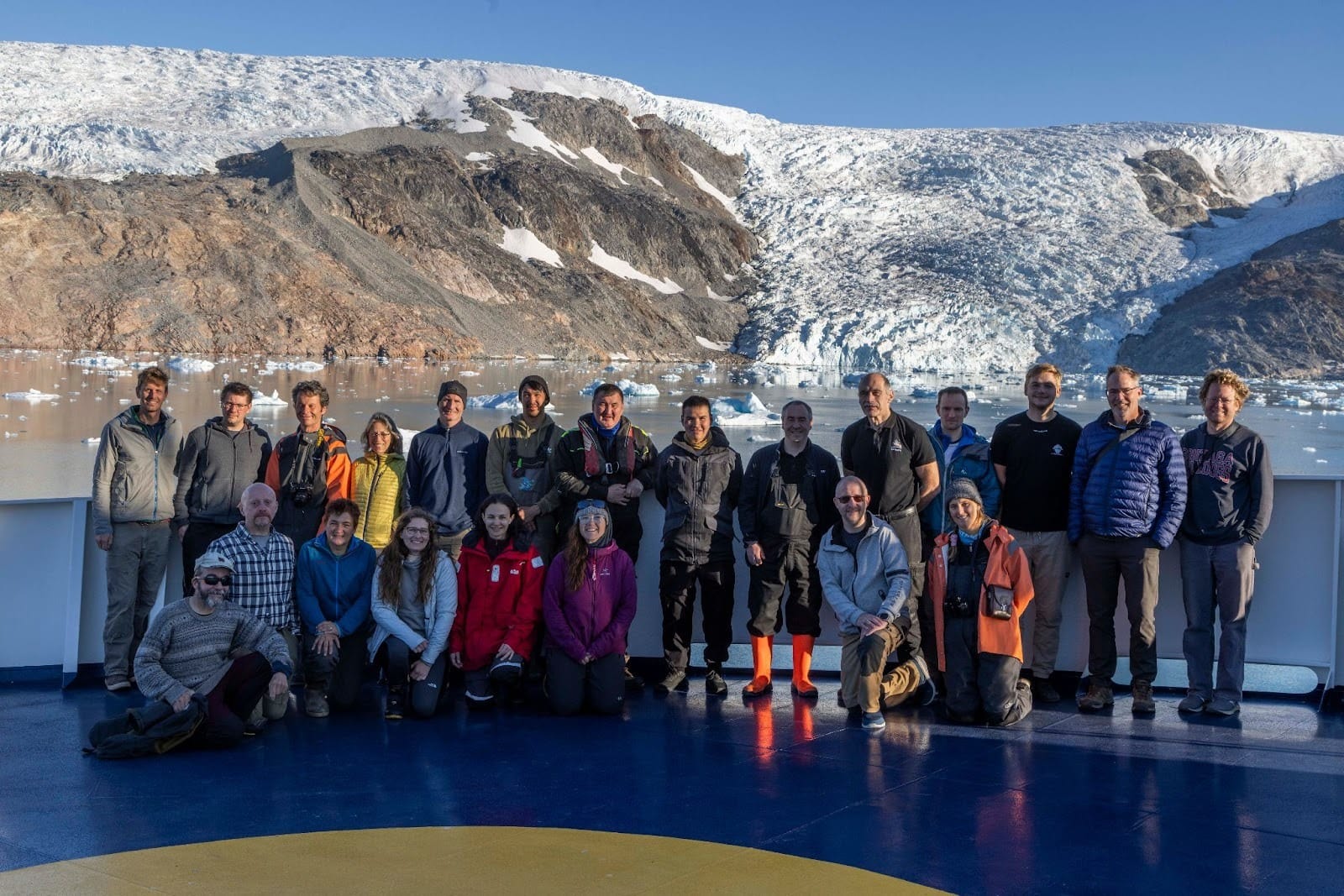
As geopolitical tensions escalated in recent weeks, I reached out to Greenlandic friends and acquaintances, asking them to share their experiences. What could Alaskans do to support Greenlanders? What do Greenlanders want Alaskans to know about this moment?
One thing was clear: It’s a scary and exhausting time in Greenland.
“I have never felt more uneasy about my homeland. Facing another violent attempt at colonization is deeply unsettling,” said Ululinannguaq Olsen, whom I met several years ago when she was working as a guide in Nuuk. “Having been to Alaska twice and experiencing how similar our lands and communities are, I have hoped for us to build and strengthen our connections together. But this was never the way I intended for that to happen.”
Another friend, Paneeraq, asked that I leave out her last name and said she’s “extremely scared if an invasion were to happen — it is something that I don’t even want to think of, or have the energy to imagine.”
Paneeraq is a student at Greenland’s only university, Ilisimatusarfik, where she’s studying culture and history and helped organize a science conference I attended in Nuuk in November.
Paneeraq said she’s mindful of Native Americans’ experience with colonization, and “how these actions still affect them, and even us.”
“I know a lot of Alaskans understand the fragility our community and people have,” she said. “Not because we are weak. But because we have been colonized to the point of having no say when it comes to a lot of things — even to the point that we have to fight for our rights, and the rights to call Kalaallit Nunaat our own.”
Greenlanders and Indigenous Alaskans are still working to heal severed connections to land, language, and culture brought upon by colonization.
But that history is short compared to the thousands of years of shared cultural connections across the far North — which endure today through common language, humor, art and traditional foods.
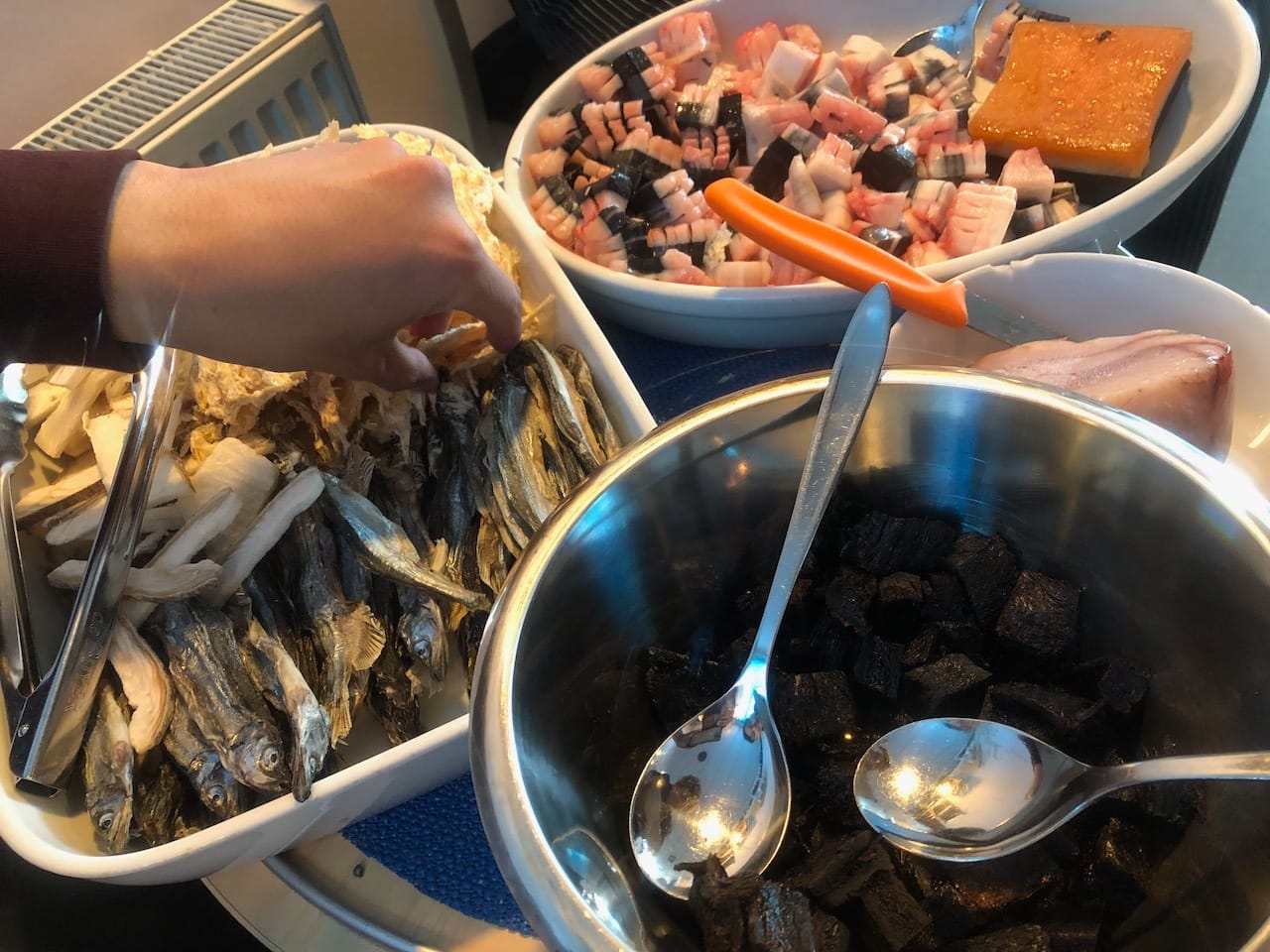
In some local grocery stores in Greenland you can buy mattak — a traditional food of whale blubber known to many Alaskans as muktuk. It’s “absolutely my favorite food,” Paneeraq said. “The only food that makes me feel grounded, at home and comforted,” she said. “I especially eat it when I’ve had a bad day or need a good pick-me-up.”
When Ululinannguaq and I first met, we bonded by sharing our favorite ways of eating berries, and stories of berry picking with family and friends.
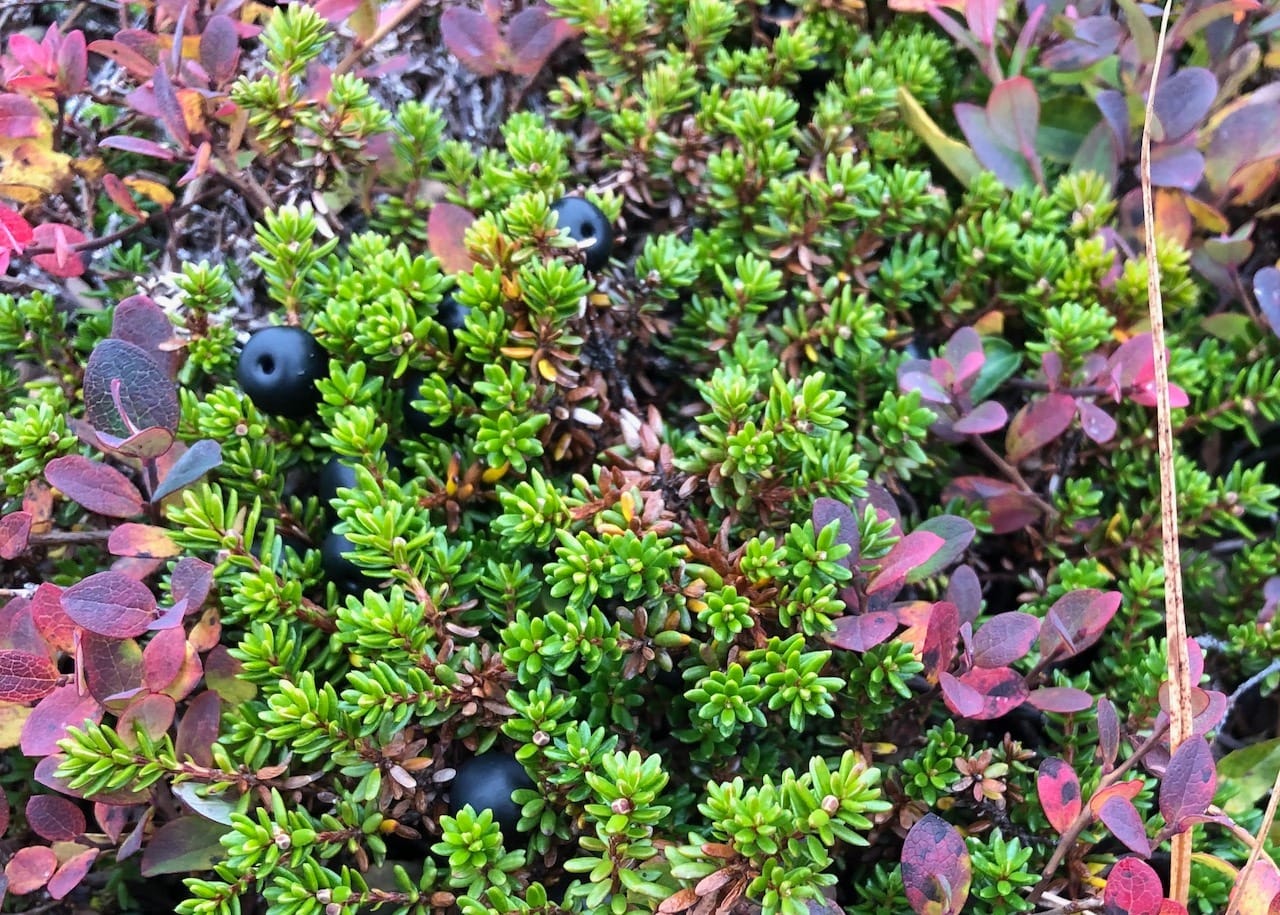
Crowberries, or paarnat, blanket the tundra in Greenland, and locals pick them for jams and snacks. Low-bush blueberries, known as kigutaarnat, taste just as sweet as they do in Interior Alaska. Umimmak burgers — musk ox — are a staple on restaurant menus, and meat from caribou, or tuttu, fills home freezers. Many Greenlandic families keep small boats for weekend seal hunting trips, and seal soup, or puisi suaasat, cooked over a campfire is mamaq: tastes good.
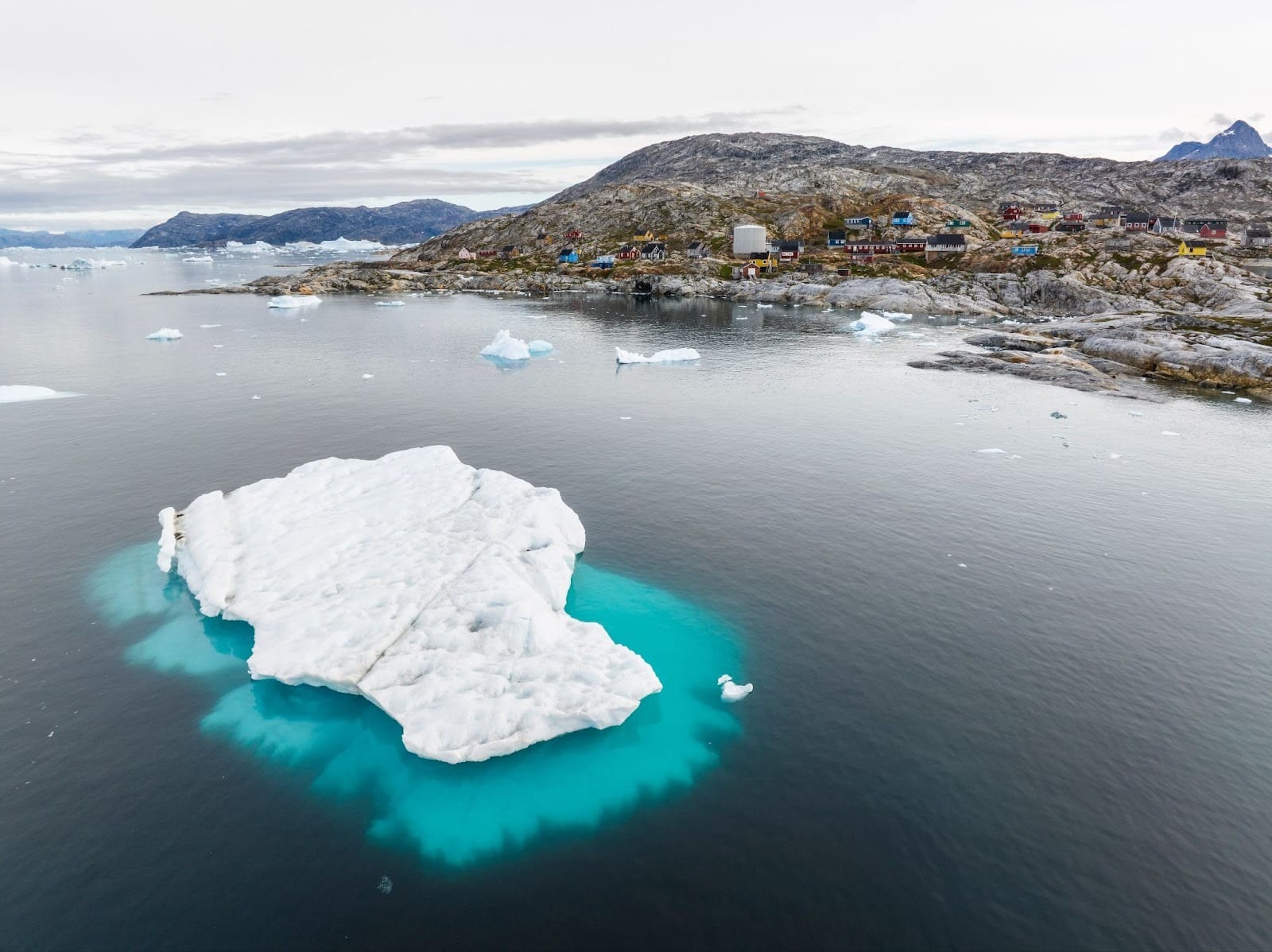
Beyond foods, Alaskans can relate to the subtly irritating experience of being caricatured by outsiders. Our state, like Greenland, is often reduced to images of melting glaciers, prospective mines, and stories that perpetuate the idea of a mythical frontier in need of conquering. We share complex and unique tensions between resource extraction, economic independence, environmental conservation, and subsistence. How we grapple with these choices now, in both Greenland and Alaska, will shape the future balance between outside interests and local power.
We have more in common with Greenlanders than we do with anyone in the White House. And it’s up to Alaskans and Greenlanders to tell our own stories, and to assert our own rights to self-determination.
Last weekend, thousands of people across Greenland and Denmark demonstrated in the streets, chanting ‘Kalaallit Nunaat, Kalaallit Pigaat’, or: “Greenland belongs to Greenlanders”.
Local artists played music, and politicians gave speeches in front of a sea of fluttering red and white Greenlandic flags. The demonstration in Nuuk may have been Greenland’s largest protest ever, with participants standing on snowy streets with homemade signs in English: “We will not be twice colonized”; “Decolonize not recolonize”; and “America wants the Epstein files, not Greenland”.
The protests coincided with the 47th anniversary of the vote when an overwhelming majority of Greenlanders chose to establish the island’s Parliament, and to make themselves an autonomous country inside the Danish state.
Greenlanders’ relationship with Denmark remains deeply complicated. But they have demonstrated to Americans, and to the whole world, what the best of democracy looks like — both in that 1979 vote and today.
I felt inspired seeing the images and listening to speeches from the demonstrations, and I am angry that Greenland’s sovereignty is even a question. Despite their fear and uncertainty, the protestors’ message was loud and clear. It made me want to show up for Greenlanders and clarify my responsibility in this moment within our own democracy — as a U.S. citizen, as an Alaskan with friendships in Greenland, and as a scientist whose career is built on stories from Greenland’s changing landscapes.
“I wish more people and countries fought for the rights of Kalaallit Nunaat and the ability for us to choose our own future, especially from Americans,” Paneeraq told me. “More than ever, we need more voices to fight for us.”
A longtime supporter of Greenland’s self-governance, Alaska Republican U.S. Sen. Lisa Murkowski has been one of those voices. But I’ve been frustrated by the silence from Alaska’s two other Republican members of Congress, U.S. Sen. Dan Sullivan and U.S. Rep. Nick Begich.
Standing with Greenlanders — by listening, speaking up, and holding our representatives accountable — sends a message of support in uncertain times. I truly believe that everyday people courageously and loudly acknowledging the humanity in each other is critical for moving the world toward a more peaceful future.
In practice, this looks like the scene Saturday afternoon in front of Sullivan and Murkowski’s local offices, where a dozen Alaskans demonstrated against potential U.S. military action in Greenland and Trump’s aggressive rhetoric.
It also looks like a video message from Inuit Alaskans and Canadians, translated into Kalaallisut and shared across social media. It expresses solidarity and shared experience.
The demonstrations and shows of support, including from people in the U.S., “have strengthened my hope and energy,” Ululinannguaq said.
“What is happening in Kalaallit Nunaat is not isolated,” she said. “We cannot be free until all of us are free.”
Aurora Roth has worked as a polar scientist and educator for over a decade in Alaska, Antarctica, and Greenland. Born and raised in Fairbanks and Girdwood, she is currently a Harvard Research Fellow and a PhD candidate at Scripps Institution of Oceanography at UC San Diego, where she studies the impacts of melting glaciers on ocean ecosystems and Arctic communities. Reach her at rothaurora[at]gmail.com