Thawing permafrost is causing trouble for the Red Dog mine. Solutions could be costly.
Rusting rivers and huge rainfall have complicated pollution control at Northwest Alaska’s massive zinc mine.
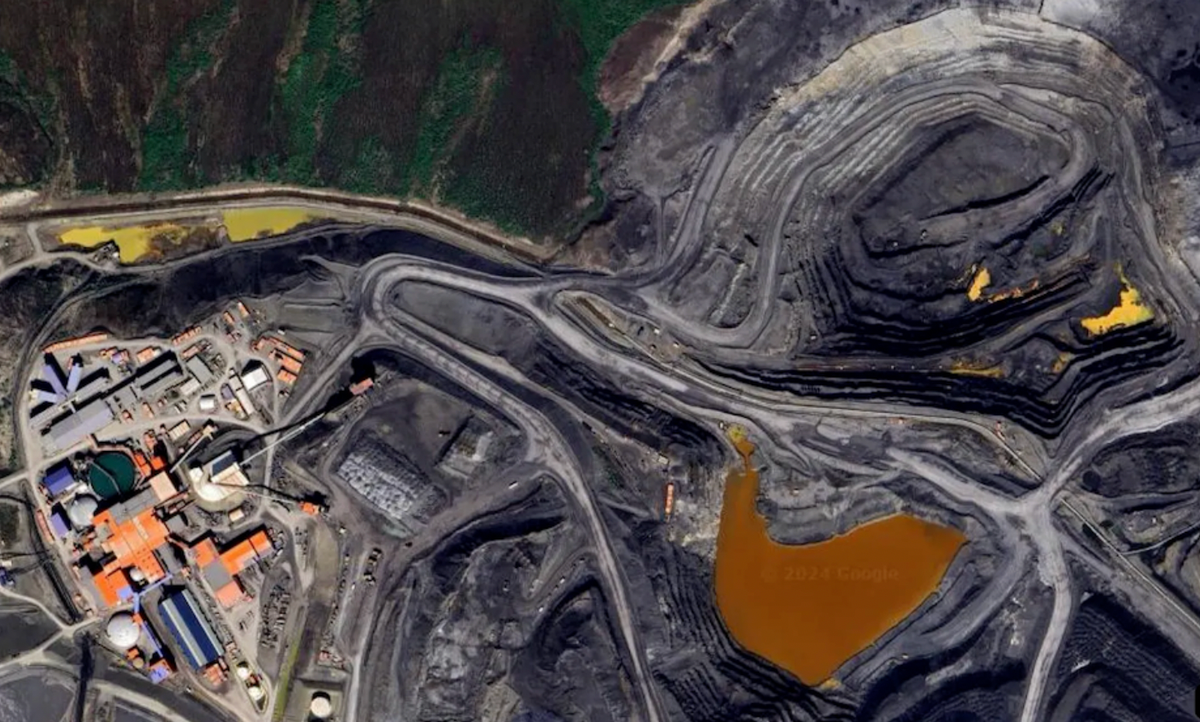
The massive Red Dog mine is grappling with a problem that's spreading across the Arctic: thawing permafrost.
A glimpse of the mine’s challenges emerged in 2020, when its operator said efforts to address thaw-related impacts to wastewater management were costing some $19 million.
Five years later, permafrost is still thawing, and Red Dog’s problems appear to be getting more expensive. The mine’s operator, Teck Resources, now says permanent solutions could take a decade to develop and cost hundreds of millions of dollars, according to newly released permitting documents.
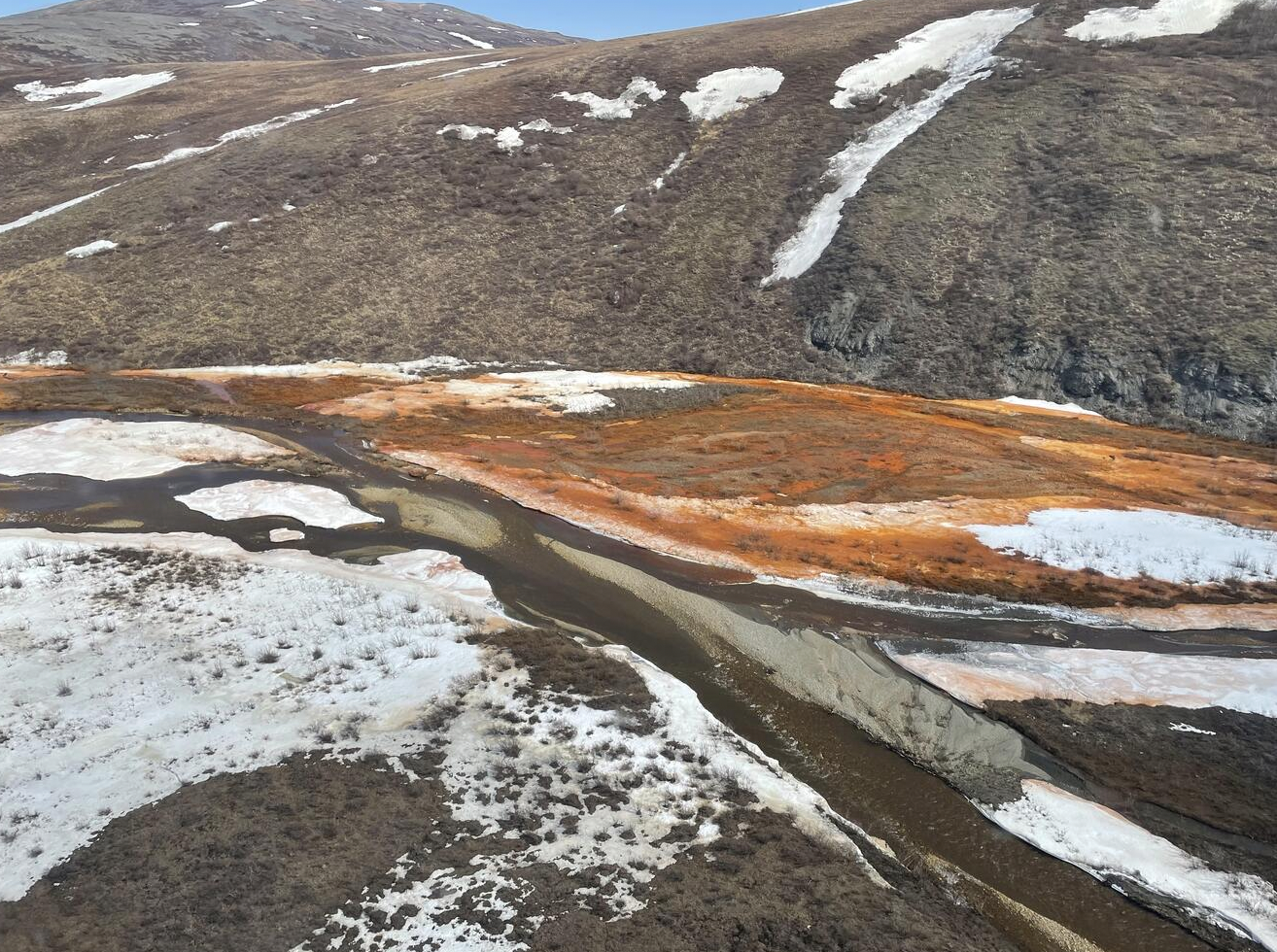
The problems stem from one of the more aesthetically jarring signs of climate change: Arctic streams are turning orange as thawing permafrost releases minerals once trapped in frozen ground.
The phenomenon, known as river rusting, is occurring across the Arctic, and scientists say it’s accelerated by global warming. It looks just like acid runoff from poorly managed mines — but it’s not caused by mining.
Nonetheless, it’s causing trouble for Red Dog. And it’s a potential preview of new obstacles to resource development more broadly in Alaska, as the Arctic warms three or four times faster than the rest of the planet.
Red Dog pumps treated wastewater into a nearby creek when levels of dissolved particles downstream are below specific limits set by state regulators. As permafrost thaw has accelerated in recent years, those levels have surged beyond the limits — even though levels in the mine’s discharge haven’t changed.
Regulators had temporarily adjusted Red Dog's permit to allow the mine to keep discharging treated water while its operator studied long-term solutions.
But that temporary approval is set to expire soon. And Teck is now saying it could be forced to spend hundreds of millions of dollars on additional studies and upgrades over the next decade to return to compliance.
Such investments would come at a critical time for Red Dog.
The mine is set to run out of ore by 2032 if it doesn’t develop new deposits that it's studying nearby. Teck, meanwhile, is in the middle of a pending merger deal with another major mining firm, Anglo American.
The permafrost-related challenges could pose an expensive complication for Red Dog: One idea Teck is considering is a wastewater pipeline that would run some 50 miles from the mine to the ocean. It could cost $279 million, according to Teck — more than half of the company’s gross profit from Red Dog last year.
The mine has invested “plenty of money and plenty of effort” to address the issue, said Tim Pilon, a regulator at the Alaska Department of Environmental Conservation, which oversees Red Dog’s discharge permit.
“Their livelihood is at risk here,” he added.
Orange creeks “all over”
Scientists are still working to understand what, exactly, is making Arctic rivers turn orange. But a basic theory is that thawing permafrost releases water and other particles and minerals, which can create acid through chemical reactions. The acid, in turn, can leach metals, like iron, into streams.
In a paper published last year, researchers identified dozens of affected streams across Alaska's Brooks Range.
Some of the creeks around Red Dog, at the western edge of the range, have long contained high naturally occurring levels of minerals, given their proximity to the mine’s zinc and lead deposit. But scientists started noticing stark changes six or seven years ago.
Some creeks “went from clear one year to very turbid and orange and kind of milky the following year,” said Chelsea Clawson, a biologist with the Alaska Department of Fish and Game who surveys streams near Red Dog each year.
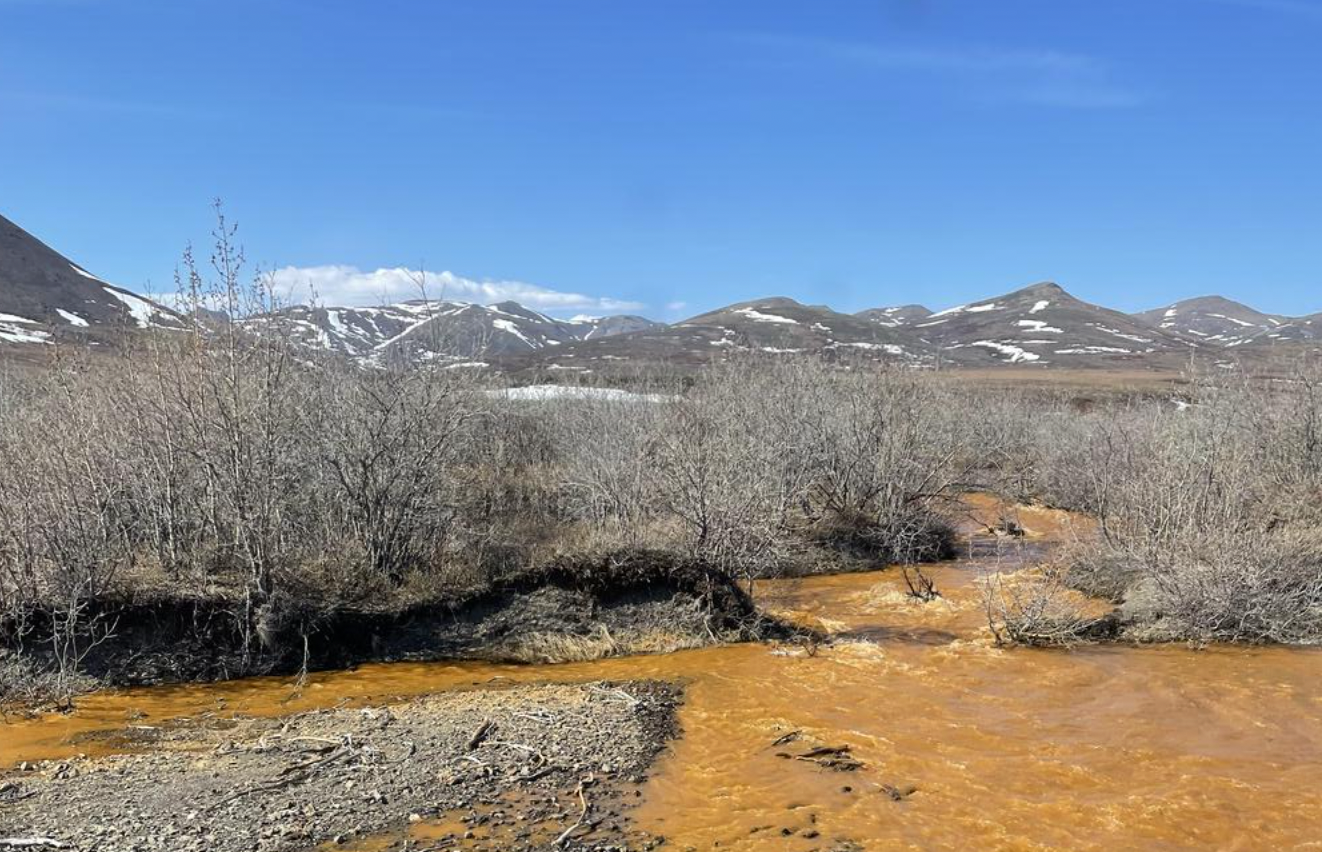
“These changes are happening upstream of any particular mine influence as well as downstream — just kind of all over,” she added. “So it's very clearly not being caused by the mine and the associated development.”
The rusting near Red Dog is just one example of how climate change is affecting infrastructure across the Arctic.
Thawing permafrost could cause as much as $51 billion in infrastructure damage in Alaska over the next four decades, scientists calculated in a paper published earlier this year in a Nature journal.
That figure is likely an underestimate, too: It excluded projected impacts to the oil and mining industries and from rusting rivers and streams, according to one of the paper’s authors, Anna Liljedahl.
“The assumption that things are going to function the way they have is not always a solid approach,” said Liljedahl, a Homer-based permafrost scientist who works with the Woodwell Climate Research Center.
The challenges at Red Dog show that permafrost thaw can affect infrastructure in unexpected or indirect ways, Liljedahl added.
Any impacts to Red Dog could be significant for the region: It’s one of the largest zinc mines in the world and an economic engine in Northwest Alaska, where high-paying work can be hard to find. The mine employs hundreds of people and accounts for more than 80% of the borough government’s revenue.
And it sits on land owned by the region’s Alaska Native corporation, NANA, which collects substantial royalty payments from Teck and shares a large portion of profits from Red Dog with Alaska Native corporations across the state.
A threatened waste pond
To prevent pollution, Red Dog collects water that comes into contact with the site and diverts it into a large pond, where other waste from processing ore, known as tailings, is also stored.
The mine then treats the water with lime and other compounds to get rid of potentially toxic metals and to balance acidity, and pipes the treated stuff into nearby Red Dog Creek.
A Clean Water Act permit regulates Red Dog’s discharge based in part on levels of dissolved particles in Red Dog Creek and a larger stream that it flows into, Ikalukrok Creek.
In 2019, thawing permafrost began boosting those levels beyond permit limits, hampering the mine’s ability to release water.
That caused a backup in the tailings pond, which was compounded by another symptom of climate change: increased precipitation
As global weather patterns shift, Red Dog has reported several years over the past decade with rain and snowfall above historic averages. Since heavy rain can cause the tailings pond to swell quickly, Teck has said relying on the reservoir to store excess water is an "increasingly risky strategy."
Between 2017 and 2021, the volume of wastewater stored in the pond increased by some 60%, or 2 billion gallons, according to permitting documents.
In 2021, as the creeks’ rusting limited Red Dog's discharge and the waste pond neared capacity, state regulators temporarily modified Teck’s permit. The move effectively allowed the company to continue discharging with a cap on the amount of dissolved particles in the treated mine water — even as natural levels in the creeks remained high.
That modification expires next year. Teck, in a request to regulators released by the state earlier this month, said it needs a 10-year extension to maintain “safe water management,” while it studies permanent solutions.
The capacity of Red Dog’s tailings pond “will be threatened again,” the company said, unless it can continue releasing water.
State regulators earlier this month proposed granting the extension. Doing so, they said in a recent notice, “prevents an increased discharge of any pollutants” and “ensures safe operation" of the tailings pond and the dam holding it back.
“The last thing anybody wants is for that dam to overtop,” said Pilon, with the Department of Environmental Conservation.
A “unique situation”
Teck is considering several possible responses to its wastewater predicament.
Among the priciest is the pipeline, which could carry treated wastewater to Red Dog’s mineral shipping port on the Chukchi Sea, more than 50 miles to the southwest.
Teck studied a similar concept more than a decade ago as part of a legal settlement with several residents of the Iñupiaq village of Kivalina, downstream of the mine. Community leaders there have long worried about Red Dog's wastewater affecting drinking water and fish.
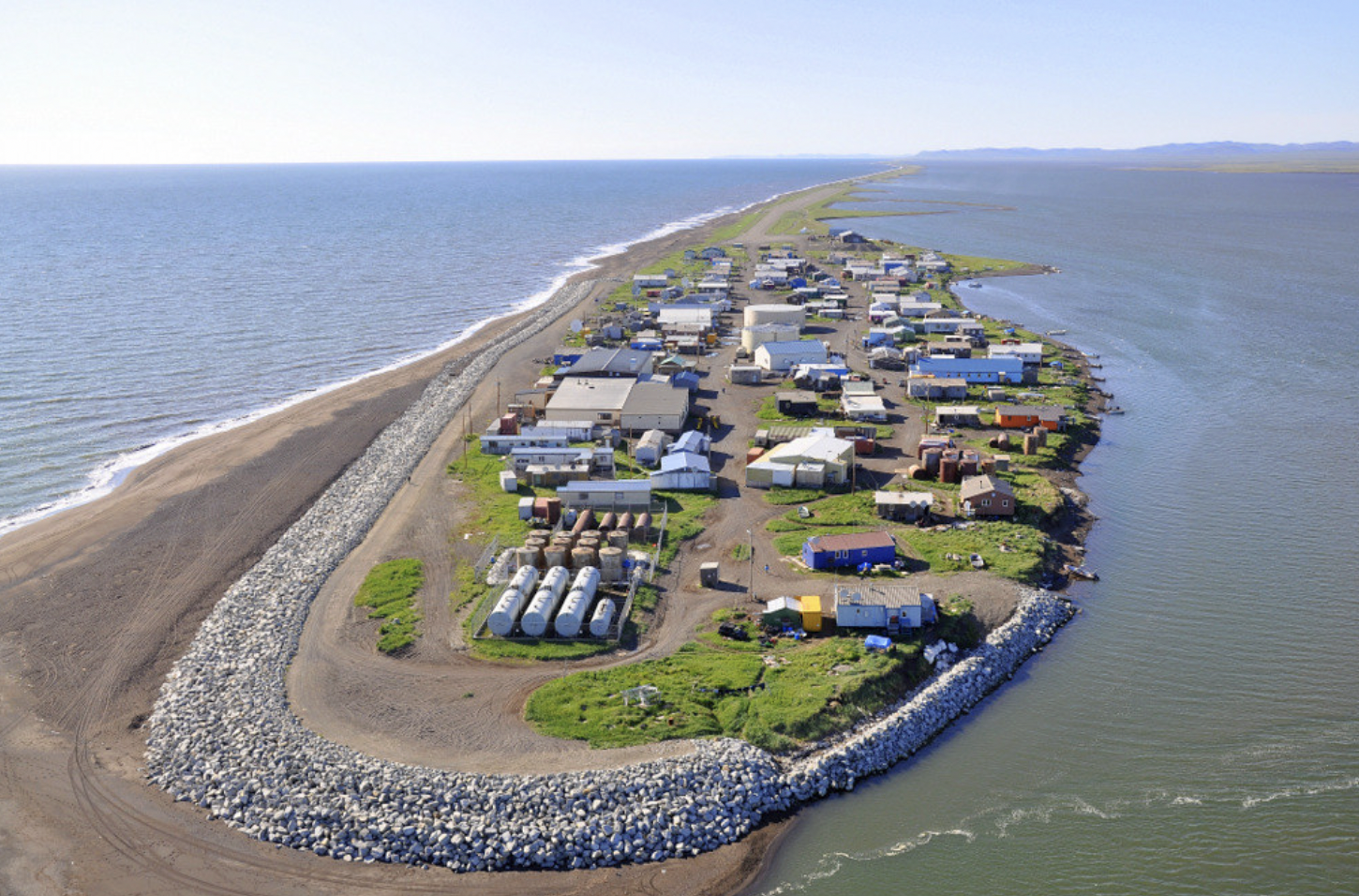
Teck ultimately chose, in 2014, not to move forward with the pipeline, saying its benefits would be limited.
The company says it's now revisiting the idea. But it’s also looking at other options to return to permit compliance, like proposing changes to permit regulations.
The company says it plan to study several possible upgrades at the mine, including expanded use of reverse osmosis, a filtration method that could reduce the amount of dissolved particles in the treated water that the mine pumps out.
If Teck gets renewed approval from the state and continues to discharge into Red Dog Creek, current data suggest it’s unlikely to significantly diminish the water quality downstream, since upstream levels are already high, according to Srijan Aggarwal, a professor and environmental engineer at University of Alaska Fairbanks. The treated mine water has lower levels of metals than some of the rusting creeks, he noted.
Aggarwal said Teck’s request for an extension “seems reasonable” under the circumstances.
“It’s a very unique situation,” he added.
Some scientists say that Red Dog’s treated wastewater might even dilute the mineral-rich creek water and benefit fish, which biologists say are avoiding some of the rusting areas.
“The discharge — which is very clean water, without metals in it — is actually improving the water quality,” said Clawson, the state biologist.
Tribal leaders from Kivalina declined to comment on Teck’s request for an extension, saying they are still studying it.
Teck officials also declined an interview request. In an email, a corporate spokesperson, Dale Steeves, called Teck’s existing permit modification “minor” and said “there is no risk to human or aquatic health downstream of Red Dog” in relation to it.
“More work is needed to identify a permanent solution,” Steeves said.
The company’s “overall goal” still is to extend the mine’s life, he said.
Teck received a key federal approval late last year to build an access road to the new deposits that could keep Red Dog operating past 2032.
But the company is still studying whether they’d be profitable to dig up, and it says active mining there is several years away.
If you support document-driven, public interest journalism like this story, please consider a voluntary membership with Northern Journal — that's how we keep the lights on. If you're already a member, thank you.