A lawmaker thought regulators were “on board” with a plan to speed review of utility price hikes. They weren’t.
In a letter to lawmakers, two regulators said they "strongly oppose" the plan.
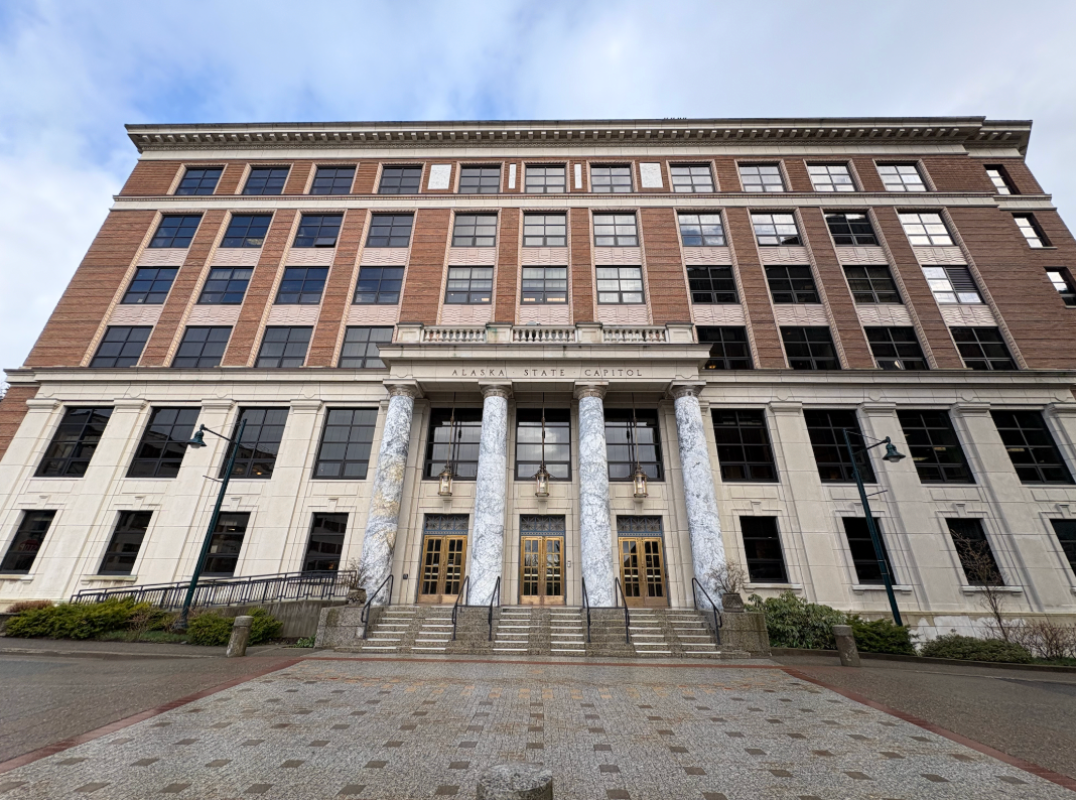
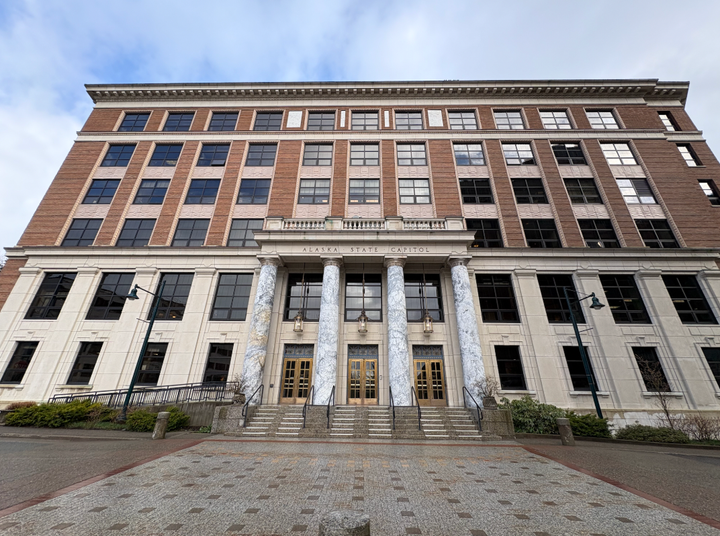
Alaska regulators are pushing back against a legislative effort to shorten their reviews of utility proposals that raise prices for electricity and other essentials — and they say lawmakers were led to a “mistaken belief” that they supported the proposal.
At an April 22 commitee hearing, Anchorage Democratic Rep. Carolyn Hall said that the Regulatory Commission of Alaska was “on board” with an amendment she submitted to a bill that would sharply reduce the commission’s decision deadlines on proposed utility price increases — to 270 days from 450.
Not so, two of the agency’s five commissioners, Mark Johnston and Steve DeVries, wrote last week in a letter to members of the House Labor & Commerce Committee obtained by Northern Journal. Hall and the committee’s other co-chair, they wrote, had been led, “through an apparent misunderstanding or miscommunication”, to the “mistaken belief” that the commission endorsed the amendment.
“We, the undersigned commissioners, do not endorse these legislative amendments, and in fact strongly oppose them," Johnston and DeVries wrote. "Nor are we aware of any other commissioner having stated they endorsed the amendments to the committee.”
Their objections to the shortened timelines stem from the need to give the commission and other stakeholders adequate time to review and respond to proposed rate increases — and the fact that the commission is “thinly staffed” with numerous vacancies, the two commissioners wrote.
Those concerns align with those raised by consumer advocates.
 Nathaniel Herz
Johnston did not respond to a request for comment, while DeVries, when reached by phone, said the letter speaks for itself and declined to answer questions about how the commission’s position had been misrepresented. The agency's three other commissioners all declined to comment.
But interviews and additional correspondence suggest that the problems originated in a series of of conversations between Hall, staff members in the office of Gov. Mike Dunleavy and another legislator — and a misunderstanding that Hall was left with about the commission’s position.
Normally, commission review of rate changes involves scrutiny of detailed documents submitted by the utilities — which are typically monopolies — in support of the prices they want to charge consumers.
The commission's role, by law, is ensuring that rates are “just and reasonable” and “non-discriminatory.” The agency also holds hearings to consider objections and arguments submitted by businesses, consumer advocacy organizations and other entities that can intervene in the proceedings.
While the review is ongoing, utilities can still recover costs through what are known as "interim" rates — where consumers pay higher proposed prices until a formal decision by the commission, at which point any part of the increase that's rejected has to be paid back by the utility.
Nonetheless, the allowed 450 days for commission decisions on price increases “have long been a source of frustration for regulated utilities in Alaska,” Dunleavy spokesman Grant Robinson said in a statement.
A recent report by the S&P research agency downgraded Alaska's energy utility regulatory climate, citing "concerns regarding regulatory lag." Robinson said that other states “manage to resolve these utility matters in much less time.”
In the final weeks of the legislative session, Dunleavy’s office initially asked Hall to propose the amendment.
Before it was introduced, the governor’s office consulted with the commission’s chair, John Espindola, a former top aide to Dunleavy. Espindola, in his own letter to the committee Friday, said he told Dunleavy's staff that the commission “would be able to organize and conduct our work within reduced timelines.”
That response, Espindola added in the letter, should not be seen as an endorsement of the specific proposal to shorten timelines. But when the idea was presented to Hall, she said in a phone interview Friday, “I was led to believe that RCA was in support.”
“That is the information that was relayed to me,” Hall said. “So I took that information — clearly did not ask enough questions about it, but it is what it is.”
Asked about the accounts from Espindola and Hall, Robinson, the Dunleavy spokesman, said the confusion stemmed from a conversation between Dunleavy’s energy advisor, Andy Jensen, and the bill’s original sponsor, Anchorage Republican Sen. Cathy Giessel.
In that conversation, Jensen shared the commission chairman's position that his agency would be able to meet timelines imposed by the Legislature. Following the call, Giessel contacted Hall and said that the accelerated timelines were "supported by several utilities, and recognized as needed by the RCA chair," according to Robinson, the governor's spokesman. (Giessel declined to comment on Robinson’s account, saying she was focused on other issues.)
“It appears that statement about the RCA chair, which through an oversight by Jensen was not immediately corrected, was the source of the misunderstanding,” Robinson said in a statement. “There is no sign of anyone acting in bad faith, but rather this was a simple misunderstanding among people working collaboratively on an accelerated timeline.”
The confusion has caused some skepticism among lawmakers, and given the information that’s come to light since the amendment was originally proposed, Anchorage Democratic Rep. Zack Fields, the other committee co-chair, said in a phone interview last week that he’s “not inclined to support the amendment as written any more.”
“When you're dealing with bills at the end of the session, you want to be careful that you're not doing something where you don't know the implications,” he said.
Hall also said that the proposal needs “a lot more work,” even if the price increase review period needs to be addressed.
“Which is why I think it would be in the public interest to hopefully rescind that amendment and take up that issue in the next Legislature,” she said.
If you value public interest journalism like this, please consider a voluntary paid membership to Northern Journal. If you're already a paid member, many thanks.