Indigenous nation to get $7,250-per-person payments as a contentious mine advances upstream of Alaska
The Eskay Creek project is one of several prospective mines near the British Columbia-Alaska border, where the government and industry have promised new investments.
This story is co-published by the Wrangell Sentinel and Northern Journal.
An Indigenous community is locked in a debate about the pros and cons of a major new mine on their traditional lands — and a big cash payment promised by the developer.
There is strong support, and fierce opposition. A lot of money to be made, and a wild river to protect. The community faces a pivotal choice.
Though this story sounds like it could be unfolding in rural Alaska, a version of it has actually been playing out just across the border with Canada, in northwest British Columbia. Still, it has implications for the Alaskans who live downstream from the proposed mine site.
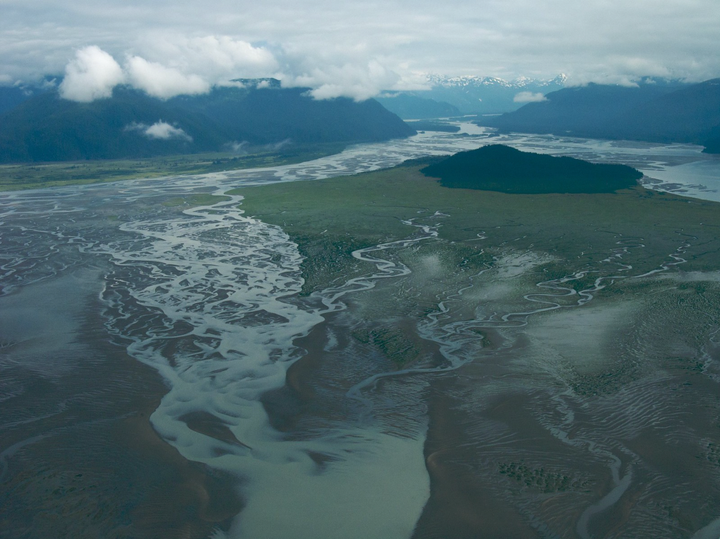
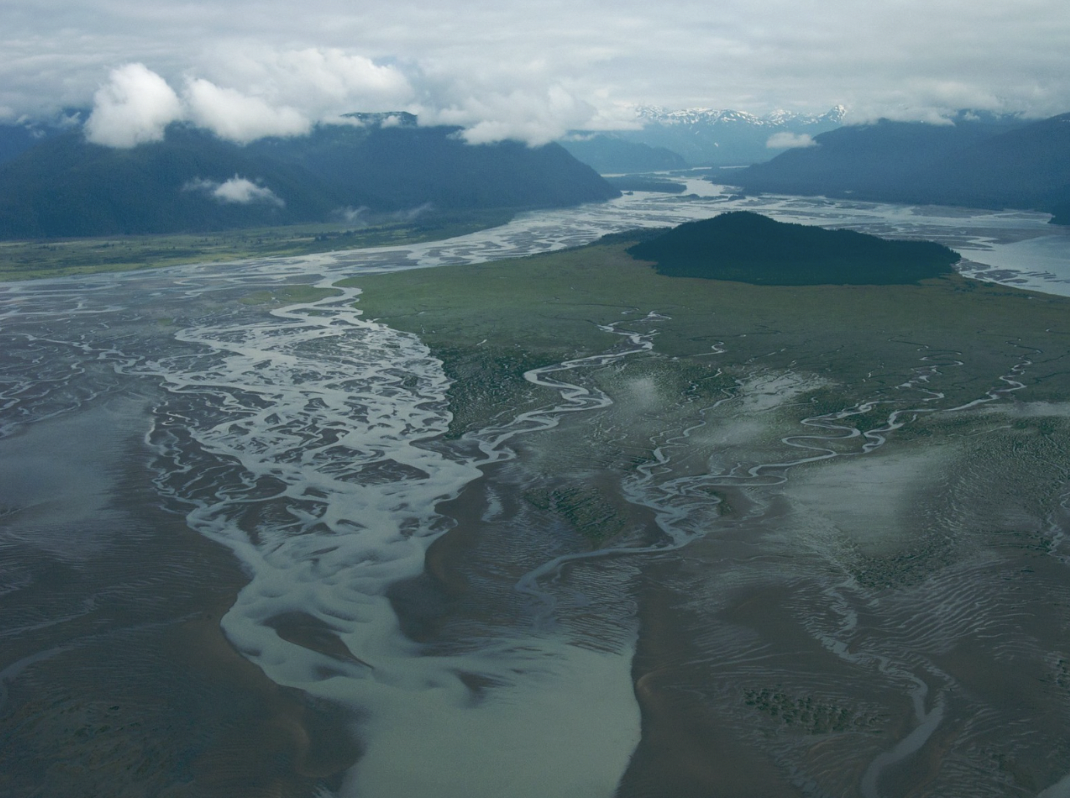
In a referendum after weeks of heated debate, members of the Tahltan Nation earlier this month voted overwhelmingly to approve a deal with a Canadian mining company that hopes to revive a huge gold and silver mine, called Eskay Creek, which stopped producing in 2008. The project is located above the Unuk River, which flows into Alaska near Ketchikan.
The Tahltans’ backing is a major step forward for the project, and it comes as the Canada and B.C. governments intensify efforts to build more mines in the name of national security and economic growth. Several of the projects are near the border with Alaska, where state and federal elected officials are separately pushing mines that could help wean the U.S. off a foreign supply of minerals used in energy, electronics and weapons.
Just one day after the Tahltan vote, Canada’s federal government announced that it had approved a merger between two multinational mining firms with a condition that calls for advancing two other proposed mines in Tahltan territory. Both projects sit above tributaries of the Stikine River, a major, salmon-bearing waterway that straddles Canada and the U.S. and empties into the ocean near the small Southeast Alaska town of Wrangell.
Louie Wagner Jr., a Tsimshian and Tlingit resident of Metlakatla, a Native community at the southern tip of Alaska’s panhandle, said he’s concerned about the health of the Unuk River and its future with mines in its watershed.
Wagner and his family have fished and hunted moose along the Unuk for generations.
“That little river cannot handle it,” Wagner said in a recent phone interview. The Unuk is notable, he added, for its abundance of eulachon, a small, oily fish also known as hooligan that’s a staple for Indigenous communities in Southeast Alaska.
Though rarely discussed in Alaska circles, the Tahltan Nation’s approach to mining has major implications for the industry’s future in the transboundary region. A top U.S. Department of Interior official visited the region last year to learn more about models for how Indigenous nations can partner with mining companies.
There are more than a dozen early-stage mining projects in Tahltan territory, many above rivers that flow into Alaska. And the Eskay Creek vote could serve as a preview of future deals between the Tahltan government and the for-profit mining companies promoting development.
For months, members of the First Nation debated whether to approve a deal, known as an impact benefit agreement, that Tahltan elected leaders had negotiated with Vancouver-based Skeena Resources, the company pushing Eskay Creek.
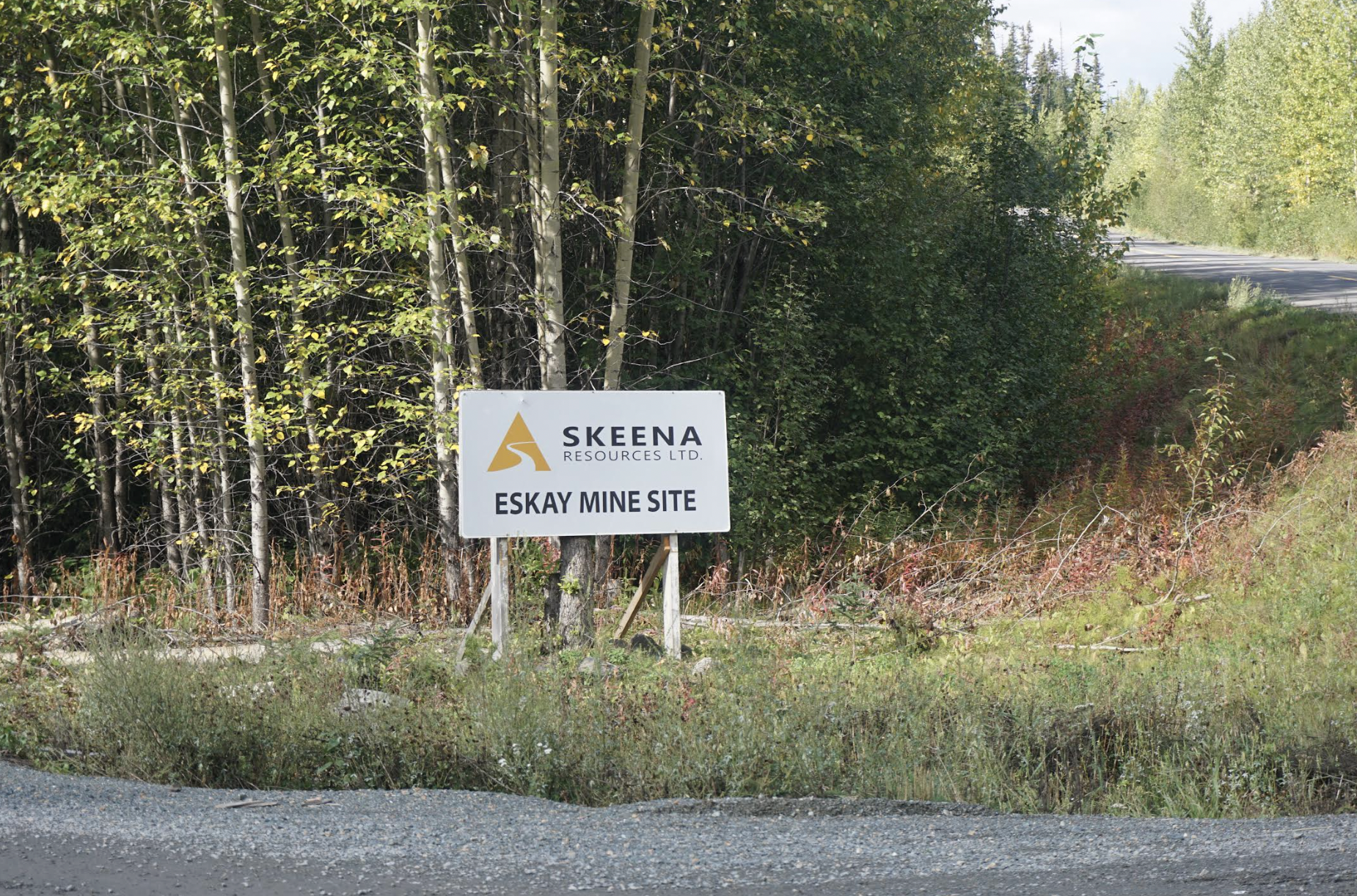
The specifics of the agreement have not been made public. But Tahltan officials have said it guarantees benefits worth more than $1 billion over the life of the mine, mostly in cash but also in contracts and wages.
The deal also calls for an upfront payment from Skeena, intended to be distributed to individual Tahltan members — to the tune of $7,250 each, according to Tahltan officials. And the agreement reportedly gives the First Nation government some environmental oversight over the mine.
The nation backed the deal with support from more than 77% of the roughly 1,750 Tahltans who voted, according to the Tahltan Central Government. Payments are expected to go out to members in 2026.
“Tahltan Central Government is not standing on the sidelines,” Tahltan president Kerry Carlick said in a statement after the vote. “We are embedding ourselves directly into the governance of environmental protection.”
Tahltan leaders have long worked to navigate political tensions between an expanding mining industry and efforts to protect traditional lands and wildlife.
The Tahltan government has entered into a number of agreements with mining companies. But it also has opposed efforts to mine coal and drill for natural gas near the headwaters of major rivers in the region.
And some Tahltan members have been outspoken critics of the Eskay Creek project and the company promoting it.
In the leadup to the recent vote, arguments erupted on social media, and relationships among community members grew strained, some Eskay Creek opponents said in interviews.
“This is causing internal conflicts,” said Tamara Quock, a Tahltan member who lives in northern B.C. some 350 miles east of the mine site.
Quock said she thinks the promise of the direct payments “enticed” some people to vote in favor of the agreement. Debate over the project, she added, grew more intense after that condition was added to the deal.
Quock said she feels Skeena is “using the Tahltan people” to generate its own profits.
She and other critics have voiced concerns about a perceived lack of transparency and potential conflicts of interest within the First Nation’s government. They also say they are worried about possible environmental impacts from the project, which would involve digging two open pits and storing millions of tons of mining waste above the Unuk River.
Skeena didn’t respond to requests for comment.
Alaska Native leaders, fishermen and environmental advocates who live downstream, in Southeast Alaska, for years have expressed concerns about Eskay Creek and other proposed mines in the region, saying they don’t trust Canadian regulators to safeguard Alaskan interests.
“You can't cut these watersheds in half and expect to adequately protect them,” said Guy Archibald, executive director of the tribally led Southeast Alaska Indigenous Transboundary Commission. “Right now they're cutting the baby in half and ignoring the effects on the Alaska side of the border.”
The commission last month filed a legal challenge in B.C. court, asserting that regulators had failed to consult Alaska tribes on several proposed mines in the region, including Eskay Creek.
Meanwhile, after a major spill last year at a Canadian gold mine in the Yukon River watershed, Alaska’s congressional delegation called for more oversight of Canadian mines near transboundary rivers like the Unuk and Stikine. The statement from the delegation — which has strongly supported mine development in Alaska — called for “binding protections, financial assurances, and strong transboundary governance.”
“As British Columbia seeks to advance numerous mines just upstream from Alaska, we are still asking them to fully remediate legacy sites and firmly commit to binding protections for Alaska interests,” Joe Plesha, a spokesperson for U.S. Sen. Lisa Murkowski, said in a recent statement. “Senator Murkowski is actively considering new ways to make our B.C. neighbors take Alaskans’ concerns seriously.”

Ottawa and B.C.’s provincial government, meanwhile, are funding new infrastructure projects and prioritizing permitting for energy and resource development projects, including Eskay Creek and the expansion of a huge copper and gold mine in the Stikine watershed, called Red Chris.
Canadian officials say existing regulations are geared to minimize impacts in the shared watersheds. Major projects undergo thorough environmental assessments before they’re approved, a spokesperson with the B.C. agency that leads those reviews, the Environmental Assessment Office, said in an email.
“Making sure large-scale projects are properly assessed is critical to making sure development is sustainable — to ensure good jobs and economic growth while also protecting the environment and wildlife, and keeping communities healthy and safe,” said the spokesperson, Sarah Plank.
Tahltan officials declined an interview request and did not respond to questions about Alaskans’ concerns or the First Nation’s agreement with Skeena.
Supporters of Eskay Creek say it could be transformational for the Tahltan Nation. Among proponents of the deal is Chad Norman Day, a former Tahltan president who has worked in the mining industry and now runs a consulting firm that does mining-related business.
“The benefits which flow to the Tahltan Nation from here will empower the people and territory unlike anything we have ever seen,” Day said in a statement after the vote.
Many Tahltan people work in mining, and the First Nation already generates revenue from Red Chris and another large operating mine, Brucejack, which started producing gold in 2017.
In 2019, Tahltan citizens voted in favor of an agreement with a different mining company pushing another, much bigger proposed mine partially in the Unuk watershed, called KSM. The outcome of that vote was nearly identical to the recent Eskay one, with about the same percentage in favor.
The first nation also, in the past five years, has entered into two joint decisionmaking agreements with the B.C. government for regulatory reviews of mining projects, including Eskay Creek.
Before it can start producing, Eskay Creek needs an environmental approval from the provincial government. A decision is expected early next year.
Northern Journal's primary revenue source is contributions from readers. If you're already a member, thank you; if not, please consider a voluntary subscription by clicking the button above.