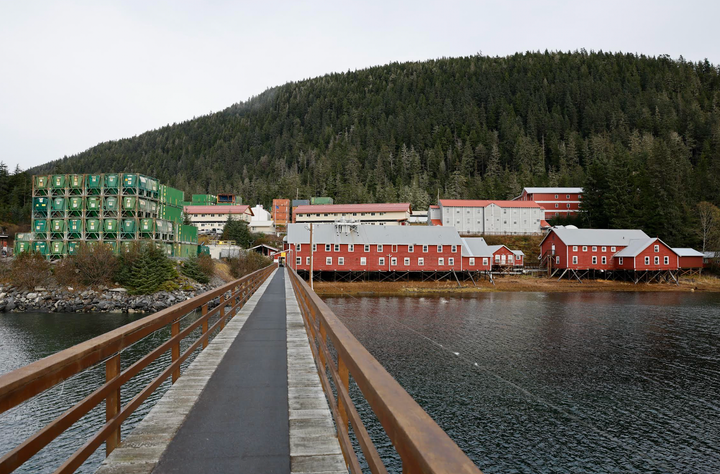
Juneau's cherished ski area is losing money. Will the city keep paying?
The future of Eaglecrest — and Juneau's identity as a ski town — has never been so fraught.
Northern Journal is merging with the Anchorage Press! Read our announcement and other information here, and support us with a subscription here.
Last winter’s first big storm came in December. Then came another. And another. By New Year’s Day, four feet of fresh snow blanketed the city of Juneau.
For many locals, it was a crisis: Roofs collapsed; boats sank in the harbor.
For Juneau’s fervent alpine skiers and snowboarders, it could have been a godsend.
Except they had nowhere to ski.
During one of Juneau’s snowiest months on record, the city’s only ski area, a beloved, municipally-run mountain called Eaglecrest, was barely operating.
It’s one of Alaska’s biggest ski areas and a reminder that Juneau, a city defined largely by cruise tourism and the state Capitol, is a mountain town, too.
But just after the season started last December, mechanical issues forced a closure of Eaglecrest’s main chairlift. And a water line broke, leaving its two lodges without running water. Aside from a few beginner slopes, the mountain was closed.
“Pretty much anything that could have gone wrong went wrong,” the chair of the ski area’s public board, Hannah Shively, said at a meeting in early January.
The infrastructure failures came after years of deferred maintenance, staff turnover and accusations of mismanagement and underinvestment. And, though the ski area was fully opened by mid-January, its early-season woes may have been an omen: The next time it snows 80 inches in a month in Juneau, Eaglecrest might not exist at all.
The mountain has operated in the red each of the past four years, with losses totaling some $3 million. Now, it’s at the center of a fierce debate over local government spending, with implications not only for the future of skiing in Juneau, but for the town’s identity.
Some residents say the ski area provides a crucial outlet for outdoor recreation during Juneau’s notoriously gloomy winters, and deserves public funding. Others say the government has effectively run the place into the ground and that the mountain should be privatized.
The Juneau Assembly, which oversees Eaglecrest’s budget, voted this spring to keep the ski area open next season. But it’s allocating $1 million less than what Eaglecrest’s management requested, forcing layoffs and sustaining operations at an "absolute minimum."
That decision came right after a long-term plan to turn around the mountain's finances fell through.
Four years ago, the city bought a used gondola, aiming to install it at Eaglecrest to boost summer tourism and generate enough new revenue to make the mountain profitable.
But after construction delays and a staggering cost increase, officials abandoned the project in May, setting the municipality back millions of dollars. They have yet to present an alternative path forward for the mountain, and there’s no certainty that Eaglecrest will stay open beyond next year.
It’s at the most precarious point in its 50-year history.
“We’re definitely at a threshold, or a turning point,” said Jim Calvin, a longtime Juneau skier and member of Eaglecrest’s board. “It’s an existential issue.”
What “separates” Juneau
One reason Alaska skiers love Eaglecrest is that it’s not a typical ski resort. In fact, it’s not a resort at all, but more like a public park.
Nearly all the big ski areas in North America are for-profit businesses. Some — Vail, Whistler, Park City — are owned by the same big, publicly traded corporation. Others, like Steamboat and Mammoth, are owned by private equity and investment firms.
Eaglecrest, meanwhile, is owned by the City and Borough of Juneau, meaning local taxpayers have been contributing about $1 million to operations annually. That's about 0.6% of the city's general operating budget.
This helps the mountain keep prices low: An adult season pass last winter cost $802, or $630 if bought before July. At Alyeska, the state's largest ski area, in Girdwood, prices were nearly double that: $1,599 for a regular season pass, or $1,049 with an early-bird discount.
Public ownership also has helped Eaglecrest stay oriented around recreation and community rather than luxury hotels and real estate development. There is no Four Seasons on the mountain — nor any hotel, for that matter.
“It’s the one nice thing we have that separates us,” said Sandy Hussain, a Juneau resident who frequents the ski area with her husband and son. “Most cities have libraries. They have pools. They don’t have Eaglecrest.”
Eaglecrest is perched at the top of a dead-end road in the mountains of Douglas Island, a 20-minute drive from downtown Juneau. It was established by Juneau’s ski club in the mid-1970s. Over the years, local taxpayers have approved spending on mountain infrastructure projects through sales tax increases and bonds.
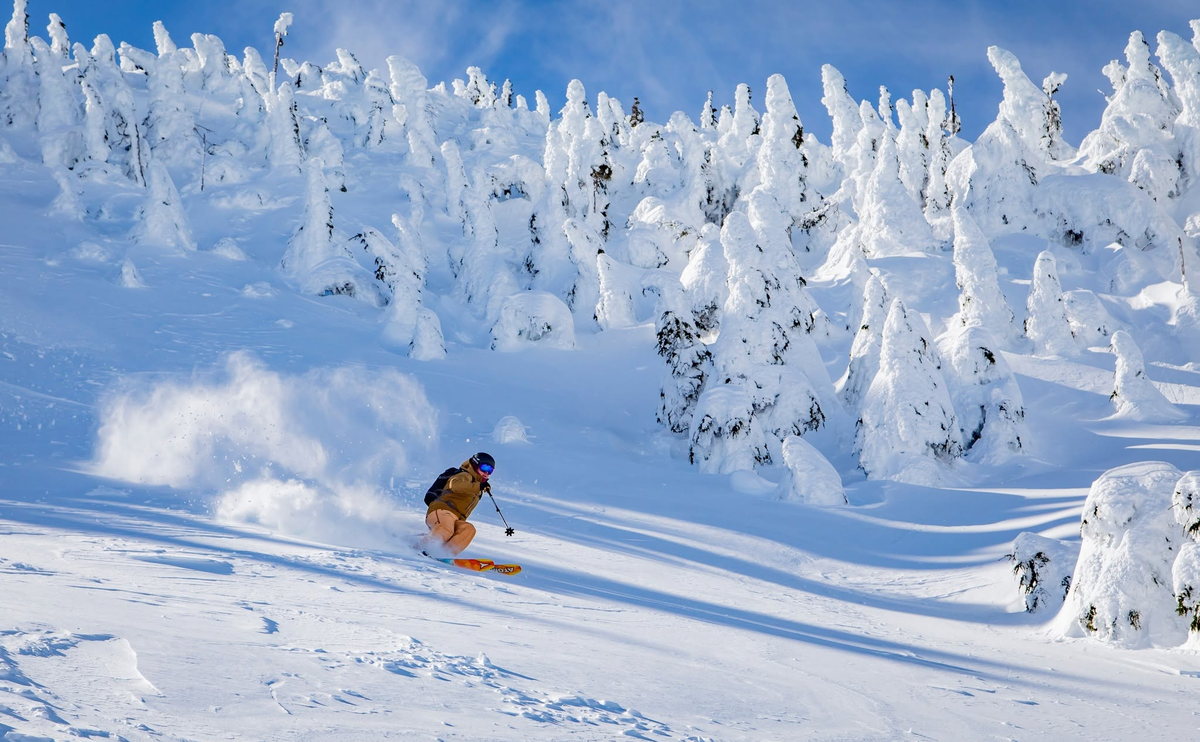
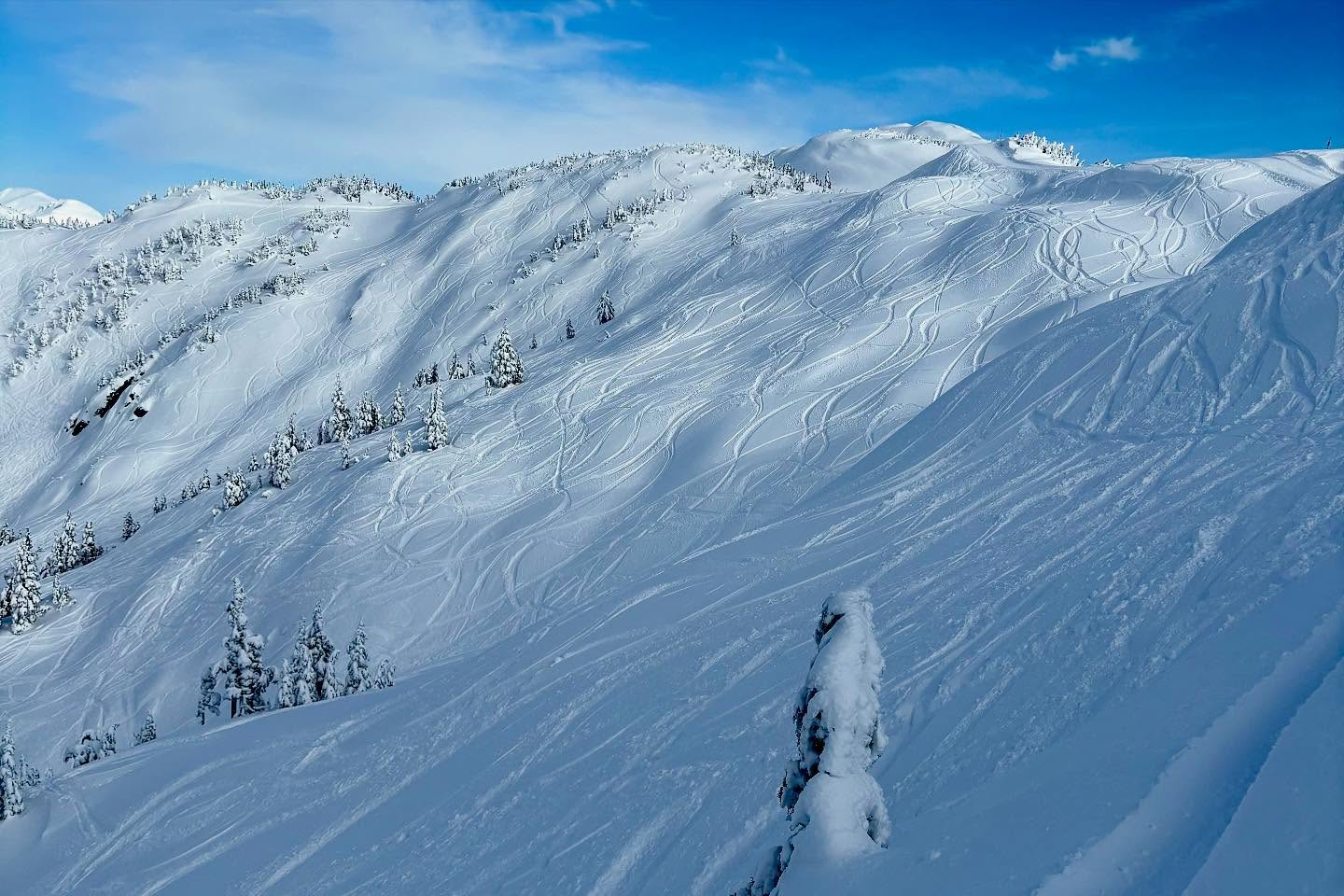
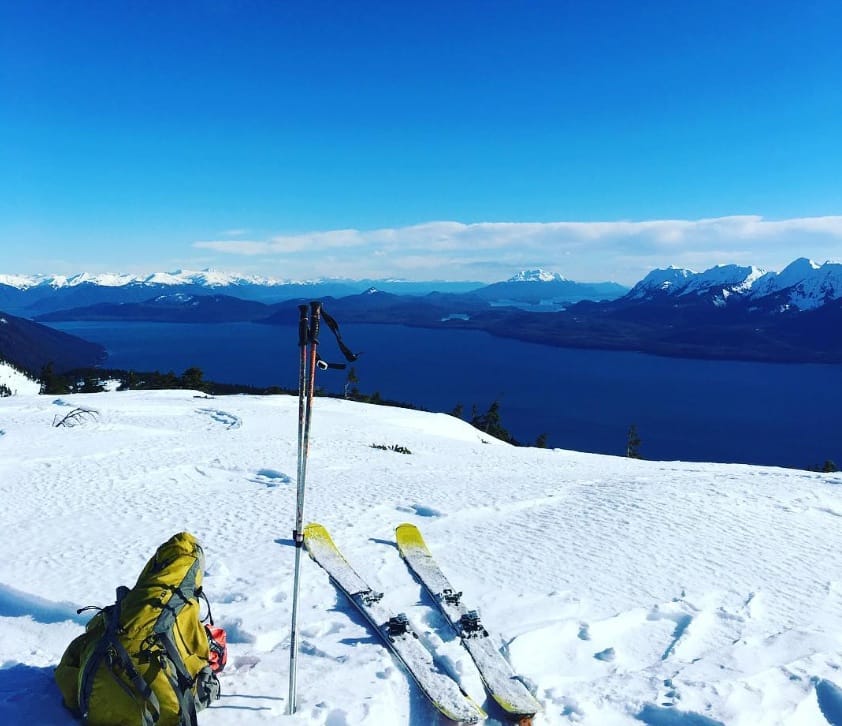
Spread across 640 acres, Eaglecrest has three operating chairlifts and two day lodges. From the parking lot, where skiers tailgate on sunny days, you can ride a lift named Ptarmigan through a spruce-and-hemlock forest to an alpine hut with ocean views. There are groomed runs for beginners, and there's tree skiing for more advanced skiers. Cliff-lined backcountry areas beckon for experts.
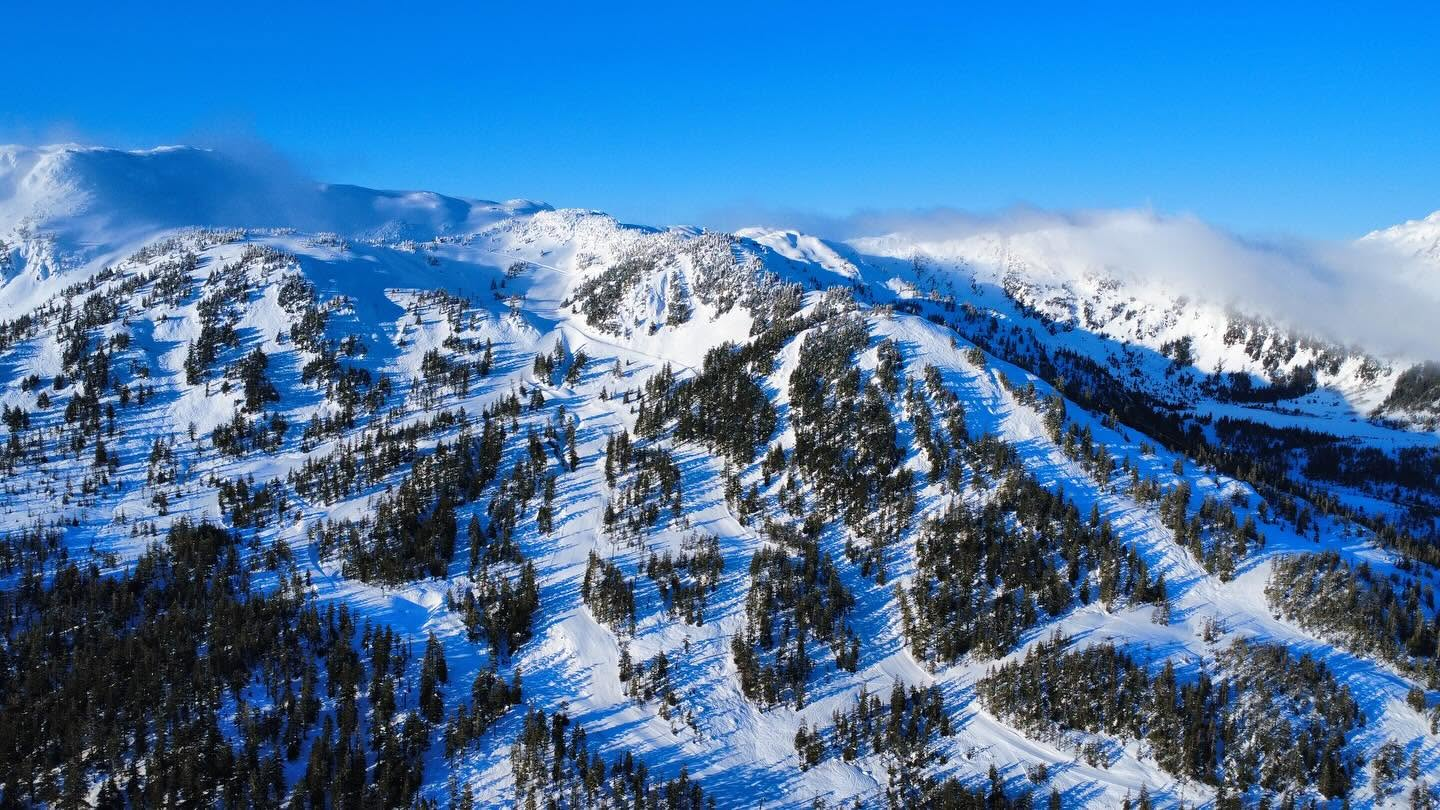
While it’s small, with fewer trails and only half the vertical drop of Alyeska, Eaglecrest is known for its powder days (albeit rain days, too), ocean views and diverse terrain, including “tons of pillows and little spine features,” said Ryland Bell, a professional snowboarder based in Haines, a small town up Lynn Canal from Juneau.
Eaglecrest’s terrain and community vibes stand out internationally, said Bell, who has snowboarded all over the world.
“You’re looking down at the ocean, on all sides, and then all the peaks and fjords and canals. It's an incredible place,” Bell said. “The town absolutely needs it.”
Juneau residents describe the ski area as a favorite winter gathering spot. People bump into friends in the parking lot; parents catch up at the base lodges while kids take ski lessons.
“There was nothing like that in Juneau that we had found yet,” said Hussain, who moved to the town three years ago in part because of Eaglecrest. “It felt like a very welcoming space, even if you’re not the best skier in the world.”
Her family would move away if the mountain were to close, Hussain said. “That would not be a question.”
Eaglecrest’s woes
Ask Juneau residents about the cause of Eaglecrest’s woes, and you’ll get a range of answers, some entirely contradictory.
One local skier said the dysfunction is mostly the fault of the ski area’s former general manager.
Another said the same general manager was one of the greatest things ever to happen to Eaglecrest and said the ski area declined after his firing.
A third skier: “Everyone in town thinks they’re the general manager of Eaglecrest.”
There is, however, broad agreement on a key cause of the ski area's struggles: economics. There just aren’t enough skiers in Juneau, with a population of about 30,000, to cover all of the mountain’s costs through lift ticket sales and concessions.
And those costs are going up. Officials have substantially boosted employee pay, which was below Alaska’s minimum wage a few years ago. Plus, maintenance needs are growing as Eaglecrest’s infrastructure ages. Management decommissioned one of the main chairlifts, Black Bear, last year; the other, Ptarmigan, is the one that broke down in December.
“It’s an old ski area, and there are a lot of gremlins in there,” said Bruce Griggs, a longtime Juneau skier.
To offset rising costs, Eaglecrest officials hatched a plan four years ago: The city would buy a used gondola from a resort in the Austrian Alps, ship it to Juneau and set it up on the mountain.
Summer cruise tourists — numbering more than 1 million in Juneau each summer — could ride the gondola to the summit to soak in views or launch hikes.
Ticket sales, in turn, would generate new revenue for Eaglecrest. Goldbelt, the Alaska Native-owned corporation for Juneau and a major player in the local tourism industry, would loan the city $10 million in return for a share of the revenue.
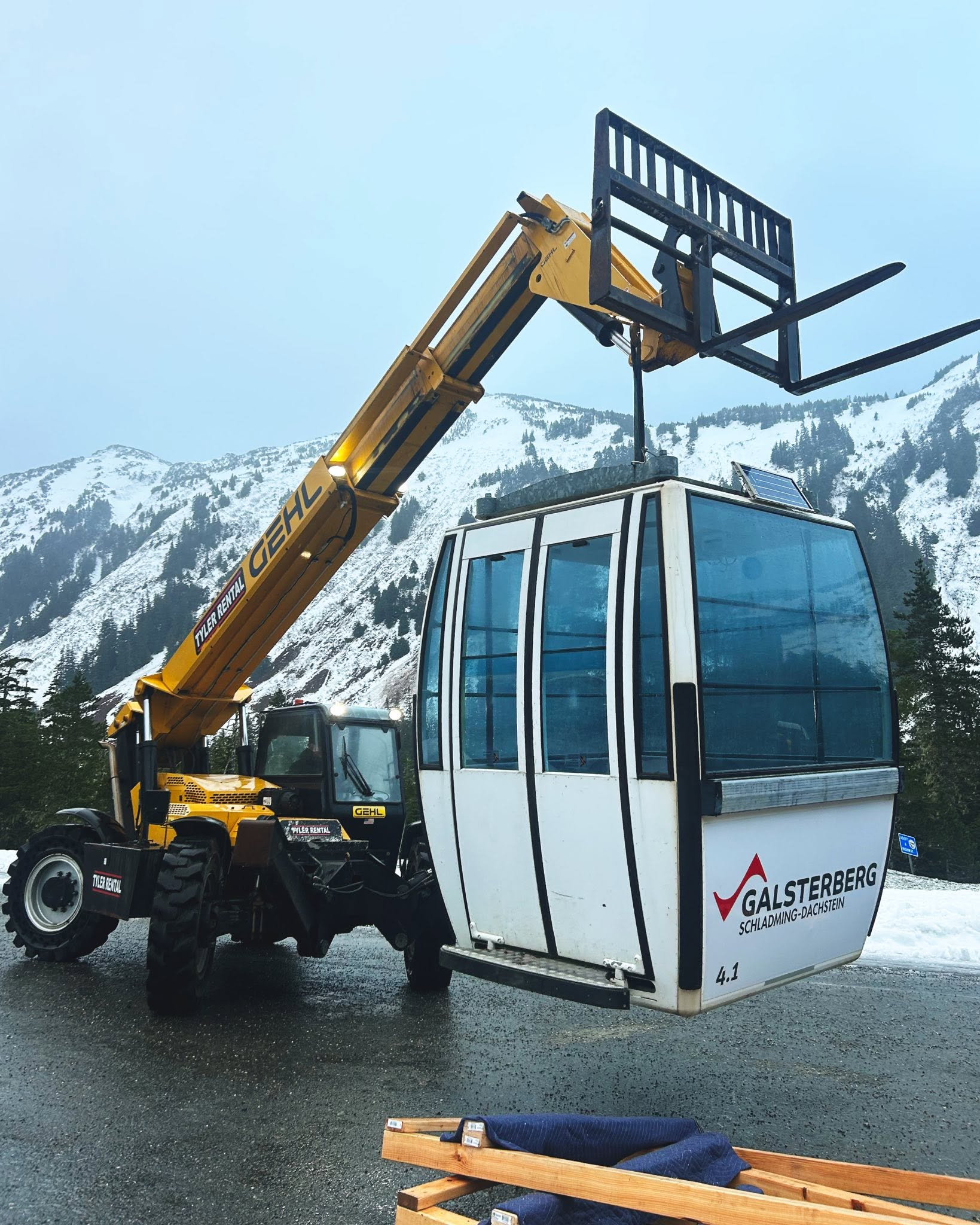
The Juneau Assembly, in a 5-4 vote, approved a plan to buy the gondola for $2 million. Projections at the time showed it would generate enough cash to make Eaglecrest profitable. Supporters said the ski area’s future depended on it.
“This is going to be a true game-changer,” Eaglecrest’s general manager, Dave Scanlan, said in 2023.
Then the plan imploded.
Budget debate, identity crisis
Earlier this year, Jim Calvin, the Eaglecrest board member, made a bombshell announcement at a public meeting: Installing the gondola would cost $27 million, pushing the overall price tag to some $37 million, more than triple early estimates.
“That’s a pretty big gulp factor,” Calvin said at the meeting.
Construction would be more expensive than expected. The gondola needed more parts. And the city would have to pay tariffs on some of those parts, since they’d be coming from Austria.
In response to the cost increase, city officials had to decide whether to scrap the project or find new investors to cover the higher price tag.
At the same time, they were looking for ways to slash spending.
Last fall, Juneau voters passed two ballot initiatives to cut taxes, producing an estimated shortfall of $10 to $12 million — a roughly 8% reduction in the city’s general fund revenue, according to officials.
Among dozens of budget cuts under consideration by the Juneau Assembly this spring was money for public pools, a field house, an ice rink, the city’s library and Eaglecrest.
“We’re trying to make all these big decisions on the city budget, and it makes it really difficult to have the bandwidth to think rationally about the longer term of what we do with Eaglecrest,” Juneau Assembly member Neil Steininger, a former state budget director, said in a May interview.
Without the funds to pay for the gondola project at its new price, officials decided to abandon it. The city now must repay Goldbelt’s original loan, plus interest, costing taxpayers some $9 million.
The project’s failure was “a hit in the public eye” for Eaglecrest and has made it harder for Juneau officials to justify further investment in the ski area, said Christine Woll, a Juneau Assembly member and chair of its finance committee.
A growing contingent of Juneau residents now think the solution is to hand the mountain over to a private investor who, in theory, could spend tens of millions of dollars to upgrade ailing infrastructure and develop summer tourism.
Among those residents is Dave Hanna, a local skier and longtime Eaglecrest supporter. He has lost faith in city ownership because critical maintenance on the mountain has lagged recently, he said — and officials, in his view, botched the gondola project.
"It’s been steadily going downhill the last couple years," Hanna said.
He thinks boosting summer tourism — by developing a gondola and other attractions — is likely "the only thing that's going to sustain Eaglecrest."
Hanna supports privatizing Eaglecrest, but only if it can remain affordable for local residents, he said.
"I think there's a lot of folks that have always believed the city could afford to maintain the area," Hanna added. "And, finally, they’re waking up and smelling the coffee."
Hanna is affiliated with the group, Affordable Juneau Coalition, that pushed the tax cuts last year, and he’s been on the opposite side of the broader fiscal debate from Juneau Assembly members like Woll.
He thinks the Assembly is looking in the wrong places to cut spending. Eaglecrest’s future, in his view, is contingent less on the city's current budget than on its management of the mountain.
For Woll, though, the budget issue has created a real challenge for Eaglecrest.
In her ideal world, the city would keep funding the ski area along with other services facing cuts, she said.
But given the city’s fiscal realities, it’s “hard to justify” spending on Eaglecrest at the level it needs right now, in contrast with “essential services” like housing, Woll said.
Woll isn’t sure about a long-term solution. “I want the answer very badly,” she said.
While officials try to figure out a path forward, the ski area is raising lift ticket prices to help offset losses. A season pass will be about 10% more expensive next year, but still considerably less than at many other U.S. ski resorts.
Calvin, the Eaglecrest board member, said ski area officials will be looking for investors but will continue to ask city leaders for funding until Eaglecrest can “wean” itself off municipal support.
“It will just take time,” he said.
In the meantime — for another year, at least — Juneau’s skiers will still have a place in winter to zoom downhill and hang out with friends. Assuming, of course, nothing breaks before the next big storm.
If you value public interest journalism like this, please consider a voluntary paid membership to the Anchorage Press/Northern Journal. If you're already a paid member, thank you.