The state of Alaska could spend nearly $200 million on oil exploration, leasing in Arctic refuge
Alaska’s economic development agency, AIDEA, wants to conduct geologic testing on its existing oil leases — and to bid on new ones — in the Arctic National Wildlife Refuge.
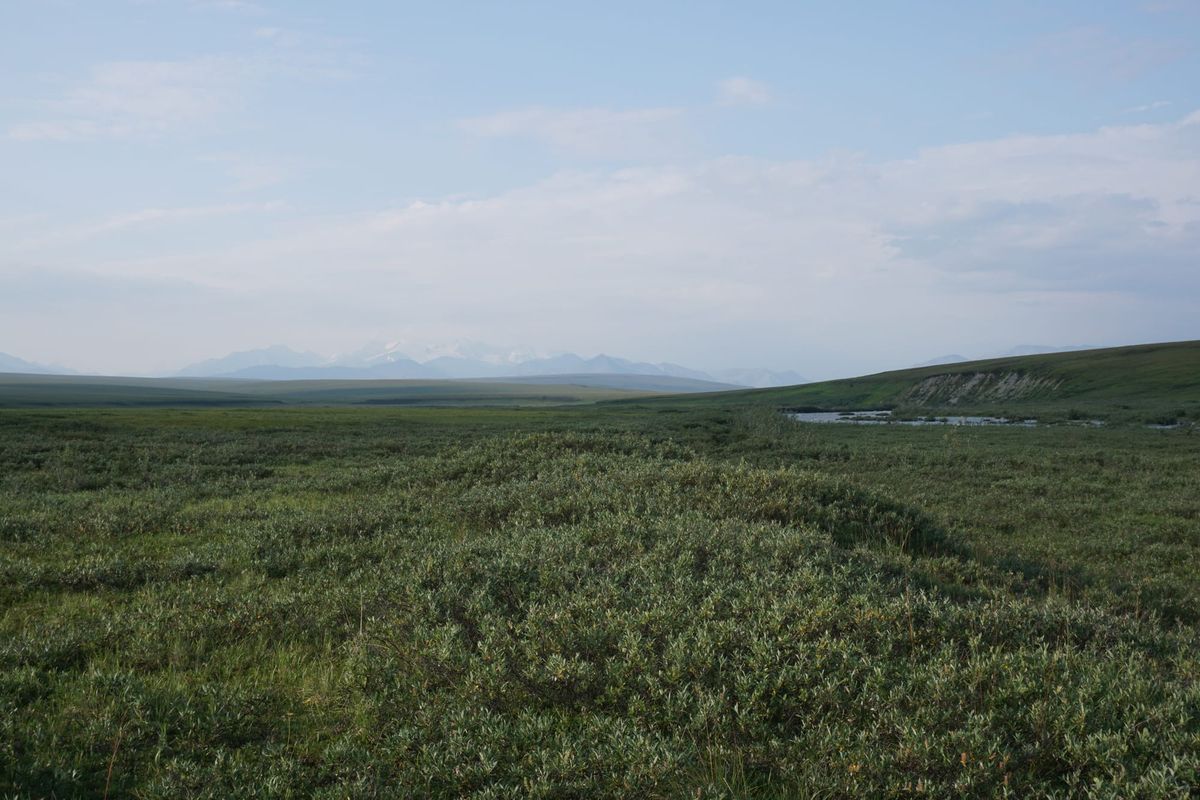
Alaska’s industrial development agency this week is set to vote on spending $190 million on controversial plans for oil exploration in the Arctic National Wildlife Refuge.
The budget, drafted by staff and still pending approval by the agency’s governor-appointed board, includes up to $175 million for advanced geologic testing, plus as much as $15 million to bid on new areas of the refuge in an upcoming federal lease sale.
If approved, the plans from the Alaska Industrial Development and Export Authority, or AIDEA, could represent a major step toward development in the refuge. They could also represent a massive expenditure, as $190 million exceeds the yearly general fund budgets of more than half of Alaska’s executive branch agencies.
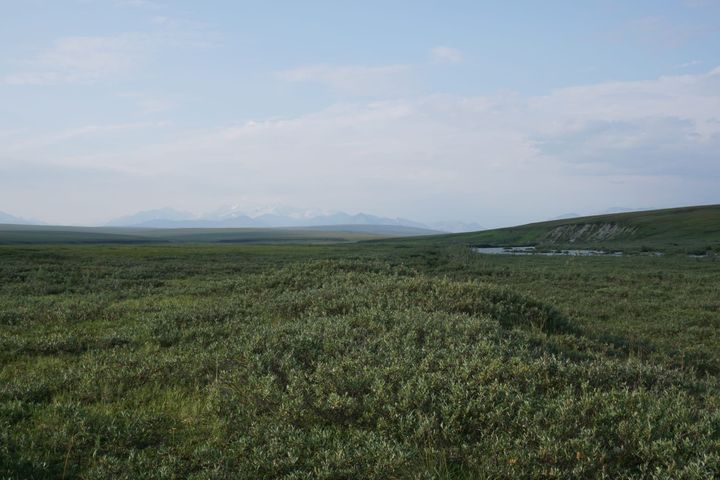
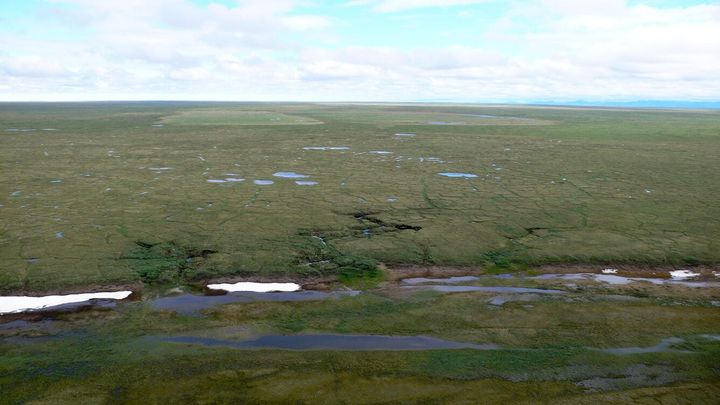
The refuge occupies the state’s northeast corner, east of existing oil infrastructure, and its future has been the subject of a fierce, decades-long national debate. No oil is produced there now, and just one community sits within it, the Iñupiaq village of Kaktovik.
AIDEA’s proposed spending is outlined in a resolution that the authority’s board is set to discuss at a meeting Wednesday. The state published a notice about the meeting on Sunday.
The geologic work, known as seismic testing, involves searching for oil deep underground by using sound waves — a technique that geologists liken to an ultrasound of the earth.
The program would allow the agency to move to “the next level” of exploration and development in the Arctic refuge, according to Randy Ruaro, AIDEA’s executive director and a former chief of staff to Gov. Mike Dunleavy. But it would also come with risk, as there is no guarantee that exploration would lead to the discovery of profitable deposits; the authority's critics say its money would be better invested in Alaska's permanent fund.
AIDEA bought seven leases in the refuge, totaling about 365,000 acres, at a sale held during the first Trump administration five years ago. But it has yet to do any exploratory work.
“It’s time to move forward and get the oil and gas on the coastal plain, on our leases, producing for the nation,” Ruaro said in a brief phone interview Sunday.
There could be “billions and billions of barrels of oil” beneath the refuge’s 1.5-million-acre coastal plain, Ruaro added. He cited an October report commissioned by AIDEA that describes the refuge's coastal plain as the "most prospective unexplored onshore area in North America," citing new discoveries just to the west.
The area’s true oil and gas potential has long been a mystery, though; much of the geologic data that’s been collected there is decades old, and preliminary. Reporting by the New York Times before the 2021 lease sale indicated that confidential results from the sole test well drilled inside the refuge were not encouraging.
The Trump administration is currently taking sealed bids in another lease sale in the refuge, with 700,000 acres available and results to be announced June 5.
AIDEA intends to submit bids, according to Ruaro. “We’re absolutely interested,” he said.
AIDEA’s board chair, Bill Kendig, declined to answer questions Sunday about the proposed spending.
The proposal on Wednesday’s agenda explicitly exempts authorization for “drilling or well execution,” but Ruaro said the board could change that at the meeting.
The prospect of oil development in the refuge — the nation’s largest federal wildlife reserve — has been hotly debated for 50 years.
Leaders from Kaktovik and other North Slope communities largely support opening the coastal plain to oil companies.
But the area includes the calving grounds of the Porcupine caribou herd — a cultural touchstone and important traditional food source for the Gwich’in people, who live over the Brooks Range to the south but still within the herd’s migration route, and who are stridently opposed to oil development.
The refuge also provides habitat for migratory birds, polar bears and musk oxen.
Until 2021, the area was never formally opened for oil development, in spite of intense lobbying efforts by Alaska’s congressional delegation.
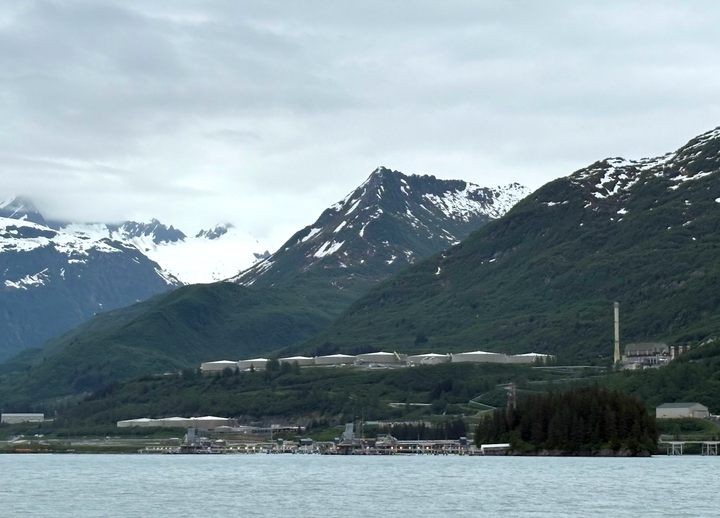
And it remains far from existing oil infrastructure, which is concentrated near the massive Prudhoe Bay field some 60 miles to the west.
The oil industry itself showed little interest in the first-ever lease sale in the refuge, in 2021. AIDEA was the top bidder, and no major companies participated.
The Biden administration canceled AIDEA’s leases in 2023. But a federal judge later restored them, and the industry’s outlook in the Arctic has shifted since then, with huge demand at a recent lease sale in the National Petroleum Reserve-Alaska.
 Max Graham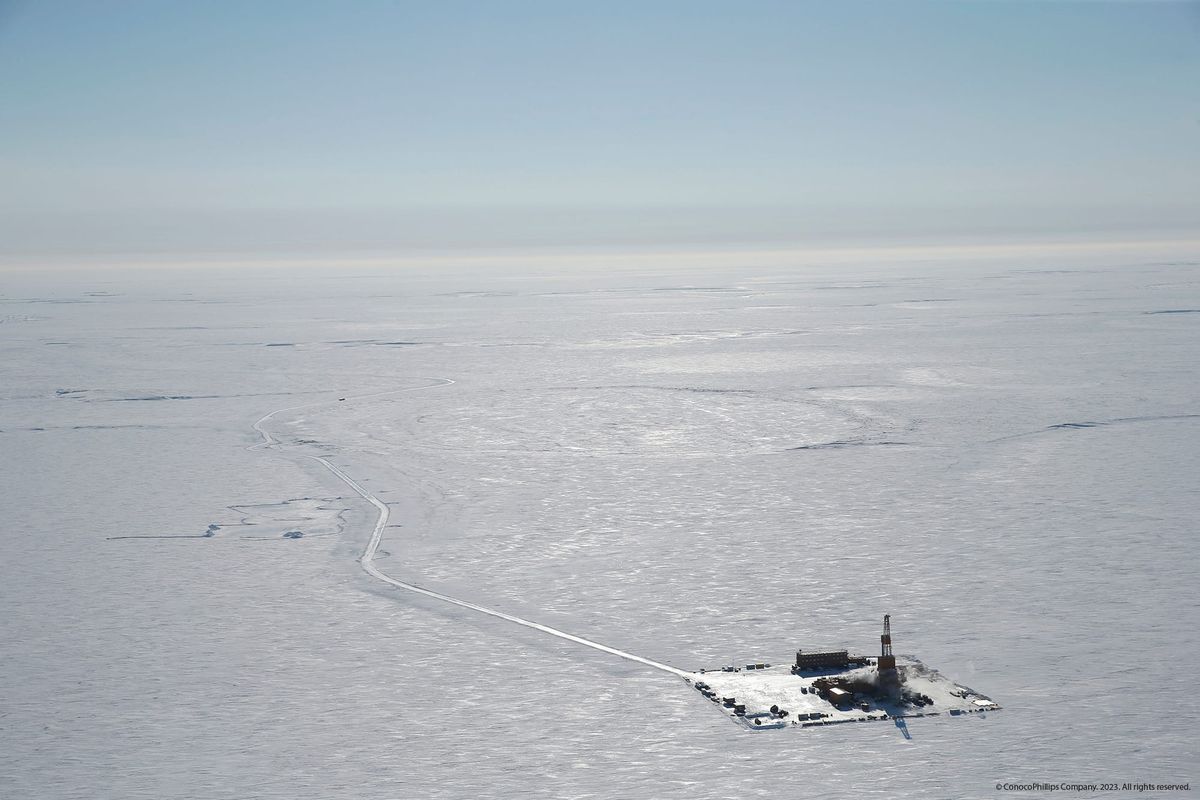
Nonetheless, opponents of drilling in the Arctic Refuge say they’ll be fighting AIDEA’s move toward development.
Kristen Moreland, executive director of the Gwich’in Steering Committee, called it a “deeply unpopular project” that lacks a “meaningful public engagement process.”
“They know that they don’t have the support of the majority of Alaskans, and most certainly don’t want to face the voices of Gwich’in,” Moreland said in a text message Sunday. “We will continue to fight any entity that bids on leases on the coastal plain of the Arctic Refuge under the legally questionable grounds that this administration is holding a lease sale on. This is way too important to the survival of the Gwich’in and their communities.”
If you value public interest journalism like this, please consider a voluntary paid membership to Northern Journal. If you're already a paid member, many thanks.