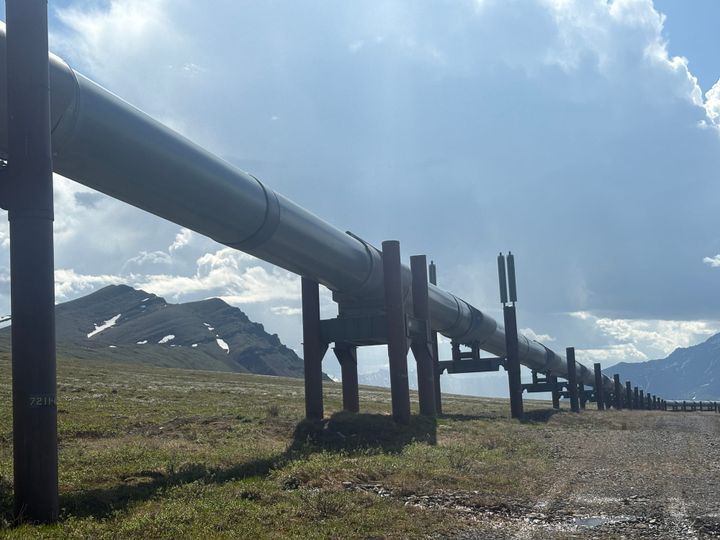
After 10-year truce, a major tax dispute looms over the trans-Alaska pipeline system
Hundreds of millions of dollars in property taxes for the state, the North Slope and Fairbanks boroughs and the city of Valdez could be at stake.
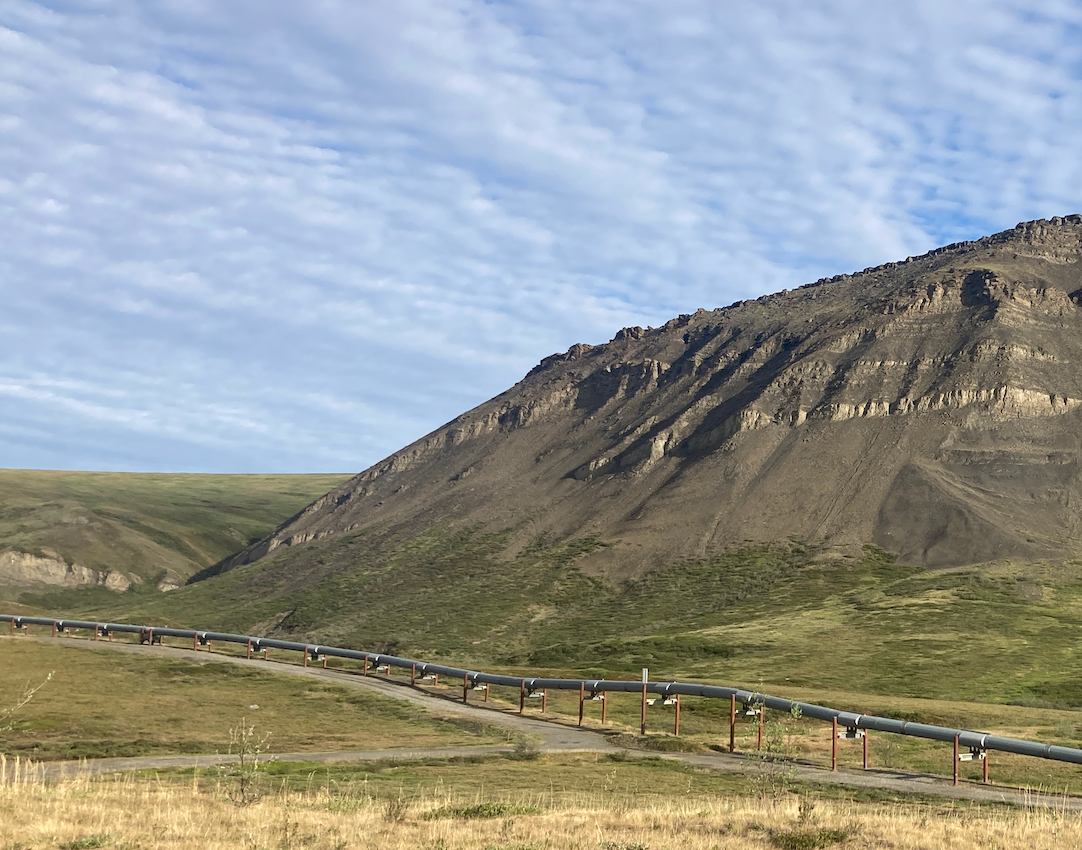
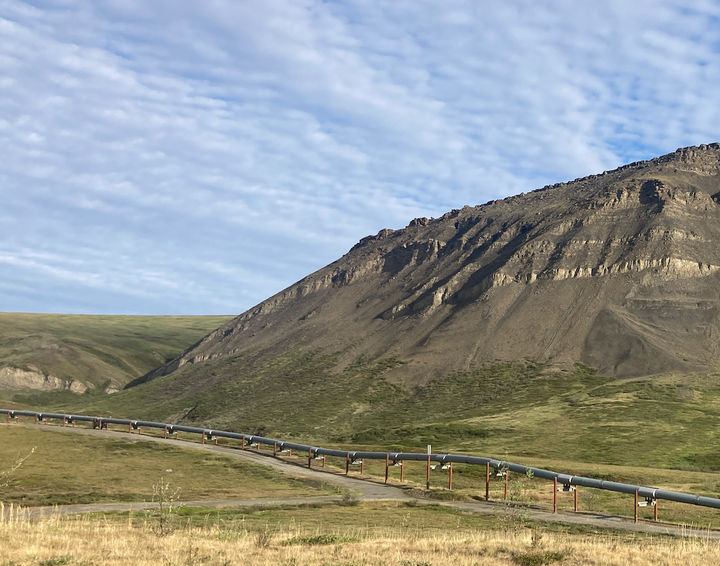
Is the value of the trans-Alaska pipeline system $2.8 billion, or $10.3 billion? Or is it $20 billion?
This week, a state review board will hold a formal hearing to determine which figure is the right one — with major financial implications for state government and the three municipalities along the pipeline system’s route.
At stake are hundreds of millions of dollars in property taxes, equal to 2% of the pipeline system’s value, that its oil company owners could owe each year to the state, the North Slope and Fairbanks boroughs and the city of Valdez.
The pipeline's value had been set at $8 billion by a five-year settlement reached in 2016, which the parties extended through the end of 2025. But before that, the municipalities and the system’s owners spent a decade feuding over annual assessments in the courts — with appeals to the Alaska Supreme Court and one trial that lasted more than two months.
The pipeline system property taxes, in past years, have represented more than half of Valdez’s regular recurring revenue, according to city budget documents, as well as a significant contribution to the state’s yearly unrestricted revenues.
A decision setting the system’s value at the municipalities’ preferred value of at least $20.083 billion would result in pipeline owners paying at least $400 million a year in property taxes — compared to the $56 million that would be owed if the value is set at $2.8 billion, the value favored by the owners.
This week’s hearing, before the governor-appointed State Assessment Review Board, is unlikely to be the last word on the matter. While the board can consider arguments from all sides, its decisions are ultimately appealable to the courts.
The pipeline system’s owners include affiliates of ConocoPhillips, ExxonMobil and Hilcorp, the North Slope’s major oil-producing companies.
With the expiration of the settlement at the end of 2025, the state Department of Revenue’s assessment for 2026 — based on the estimated cost to replace the system, minus depreciation — actually boosted the pipeline system’s value from the settled figure, to $10.3 billion.
Discussions had been underway about a new settlement, Fairbanks finance officials wrote in a letter to borough policymakers in January. But no such deal has been announced.
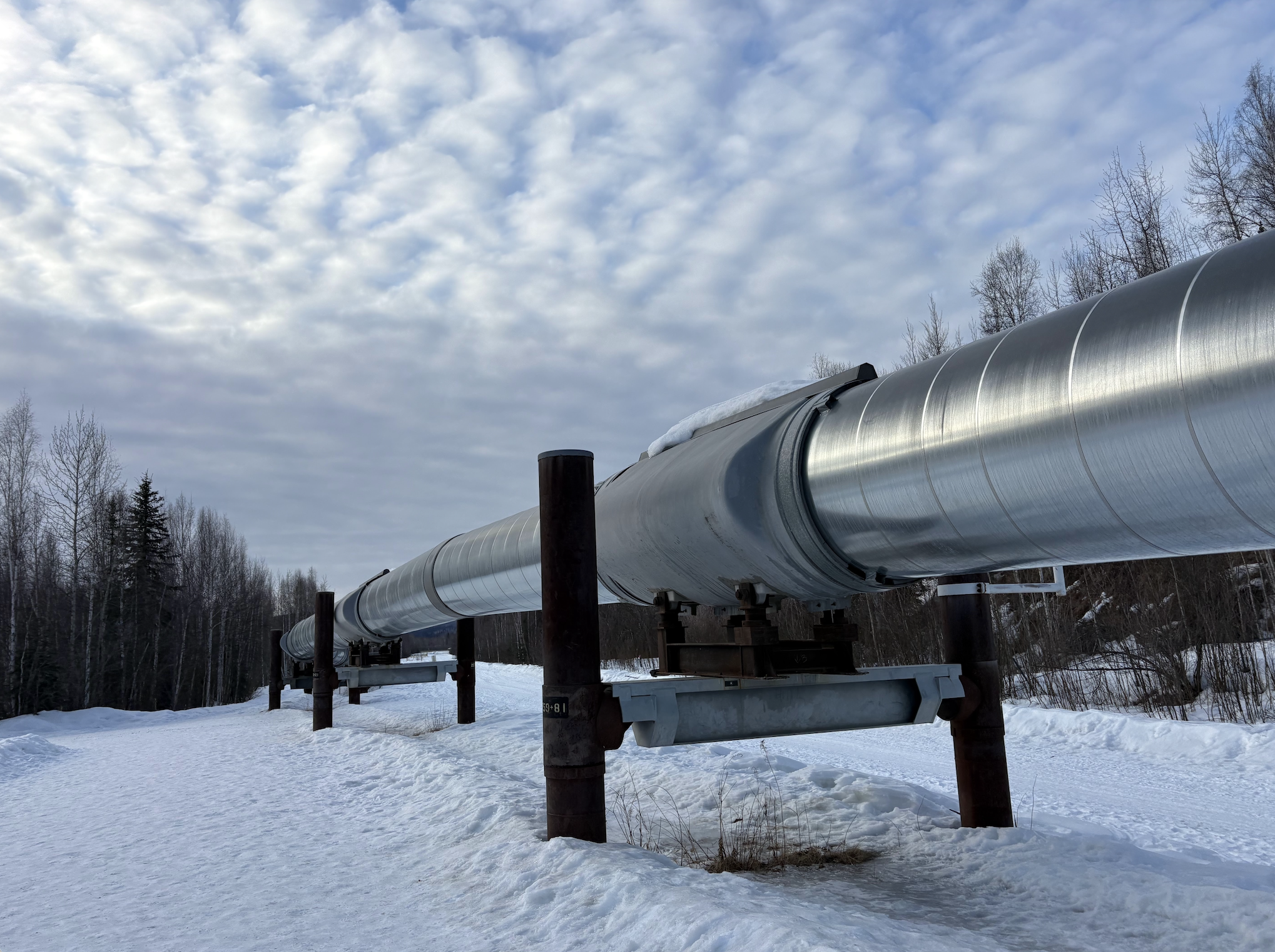
A spokesperson for Alyeska Pipeline Service Co., which operates the pipeline system for the owners, declined to comment on those companies’ behalf, citing the pending review by the state board. A spokesperson for the Department of Revenue also declined to comment.
Robin Brena, a longtime Alaska attorney who for decades has represented the municipalities in their fights over the pipeline system’s value, said he hopes that the parties can mediate their differences and strike a new agreement.
He stressed that historically, the pipeline system’s owners have argued for aggressively low valuations of the property that the courts have rejected. In 2006, the owners argued for an $850 million valuation, before the Alaska Supreme Court ultimately affirmed a lower court judge’s ruling that the value was actually $9.98 billion.
Brena’s clients, the municipalities, wrote in their recent appeal to the board that the state revenue department made a legal mistake in its $10.3 billion valuation by ignoring updated estimates from the municipalities that say replacing the pipeline system today would cost some $40 billion.
Instead, the municipalities say, the state relied on a court decision that set the 2009 replacement cost of the system at $19.1 billion, then made inflation adjustments to produced a 2026 replacement cost of $28.6 billion.
The courts and the state assessment board have preferred new cost estimates to inflation adjustments, the municipalities said, because they better capture updates in the pipeline system’s designs and allow mistakes to be corrected.
A second major error by the revenue department, the municipalities said, was that it used an inappropriate new technique to calculate depreciation: comparing the current flow of oil through the pipeline system, some 460,000 barrels a day, to its peak flow of 2 million barrels, which came in the late 1980s.
That depreciation technique, the municipalities argued, ignores legal precedent that says the calculation should account for the quantity of oil not just actively flowing from, but also available for future production at, Alaska’s big oil fields — a figure known as proven reserves.
A calculation based only on current production neglects the value contained in two huge new oil fields, Willow and Pikka, that are still under construction, according to Brena. Those fields are set to help boost the daily flow through the pipeline system to some 650,000 barrels at a new peak in 2034, according to state projections.
“The department’s calculation completely ignores proven reserves that are not in production,” Brena said.
The oil companies, meanwhile, say in their appeal that the pipeline system is a “depreciating asset” with a value that declines each year. The state, they say, is now proposing to assess a higher value for the pipeline than the $9.25 billion the Alaska Supreme Court affirmed for the 2009 tax year.
“It is fundamentally unreasonable to conclude that a pipeline that is now 17 years older — with 17 fewer years of proven reserves to transport and 17 years of additional depreciation — has an assessed value significantly greater than the value assessed in tax year 2009,” the oil companies wrote.
The companies also say that the state’s assessment fails to account for “operational and economic realities” of the pipeline system — including that the flow of oil is eventually projected to resume its longstanding decline after a “short-term spike.”
The revenue department, the companies said, also ignored the companies’ own “comprehensive” report on the pipeline system’s replacement cost that they shared for the 2026 tax year.
“The owners furnished the department with a significant volume of information relevant to the proper assessment of the subject property,” the companies said. “The department’s assessment ignores all of it in favor of reliance on a 17-year-old appraisal report that is outdated, unsupportable, and fundamentally flawed.”
The board’s hearing on the pipeline system’s value is set to begin Wednesday and finish by the end of the week. Decisions are expected within seven days afterward, according to the board’s support staff.
If you value public interest journalism like this, please consider a voluntary paid membership to Northern Journal. If you're already a paid member, many thanks.