With tens of millions at stake, feud over trans-Alaska pipeline value heads to court
Alaska’s major oil companies, and three municipalities, have filed separate appeals of a state tax board decision that set the value of the pipeline at $13 billion.
This is a short update to an ongoing story about a dispute over the taxable value of the trans-Alaska pipeline system. The previous story, with more context, is pasted below.
A high-stakes feud between Alaska’s major oil companies and three municipalities that collect taxes from those companies is now headed to court.
The fight is over the value of the trans-Alaska pipeline — a calculation that determines how much the companies owe in property taxes each year. Tens of millions of dollars are at stake.
In May, a state tax board set the pipeline’s value at $13 billion. Both the oil companies and the municipalities then filed appeals to the Alaska Superior Court this month.
The municipalities say the taxable value is much higher — about $20 billion. The oil companies say the pipeline’s value is significantly lower — some $2 billion.
Both parties appealed an initial $10 billion assessment by Gov. Mike Dunleavy’s administration. Then, the tax board raised the value by $3 billion.
 Max Graham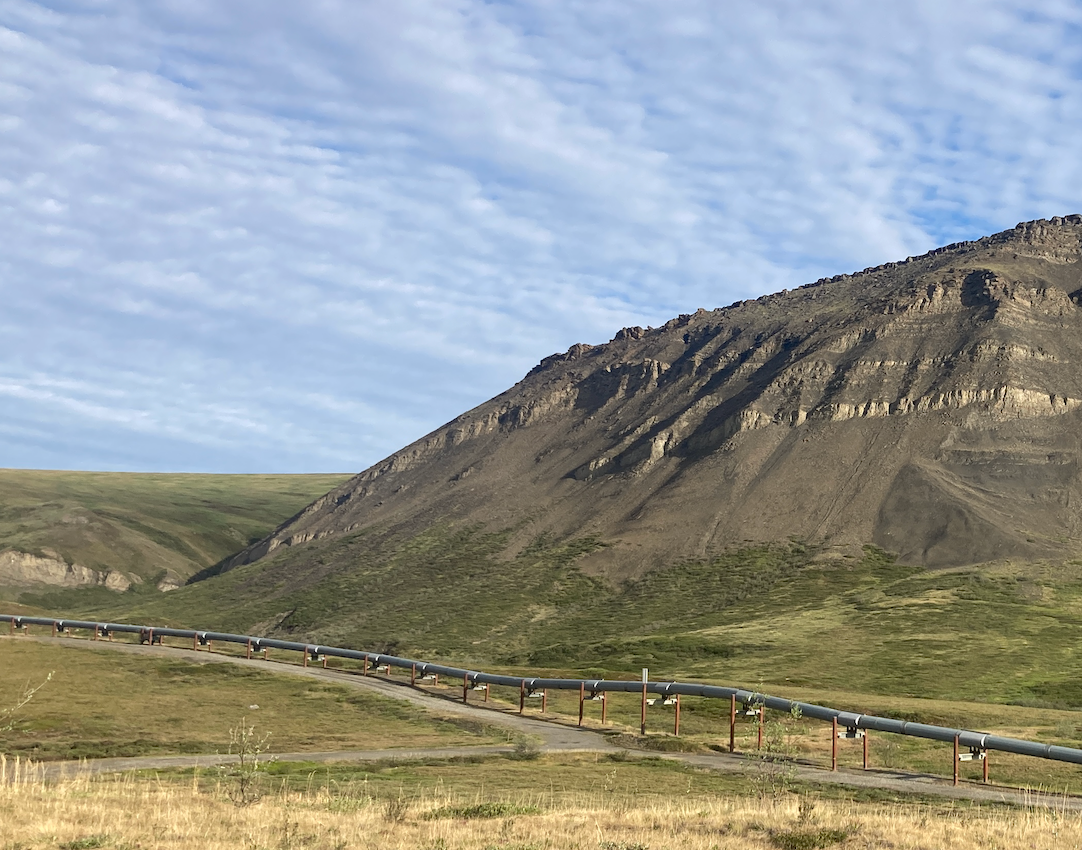
The municipalities think the value was “improperly determined” by the board and is “considerably higher,” Robin Brena, an Alaska attorney who has long represented the municipalities in pipeline property tax matters, said in a brief phone interview last week.
In its 18-page appeal, lawyers for Alyeska Pipeline Service Co., which is owned by affiliates of the state’s three biggest oil companies and operates the pipeline, also said the state board erred, but for different reasons.
The board’s determination and the Dunleavy administration’s earlier decision were “excessive” and “grossly overstate” the pipeline’s value, the appeal said.
Northern Journal is merging with the Anchorage Press! Read our announcement and other information here, and support us with a subscription here.
Original story: Alaska and three of its municipalities could be in line for an extra $60 million in oil industry tax revenue after a new ruling in a long-running feud over the value of the trans-Alaska pipeline system.
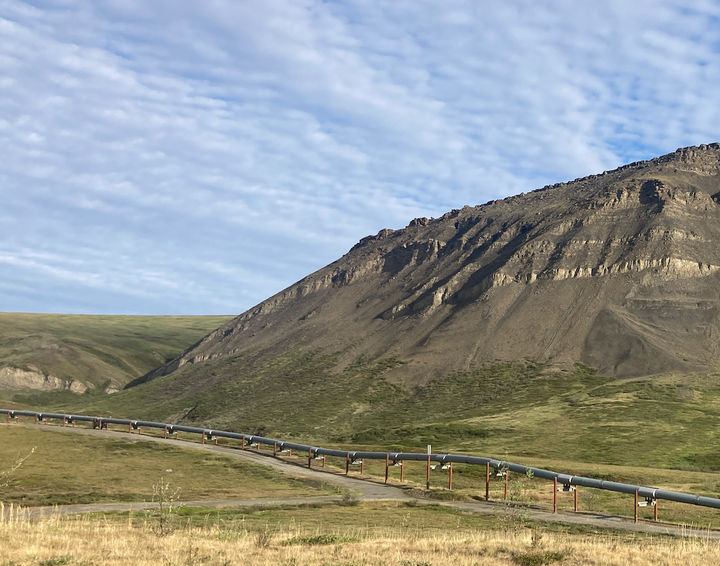
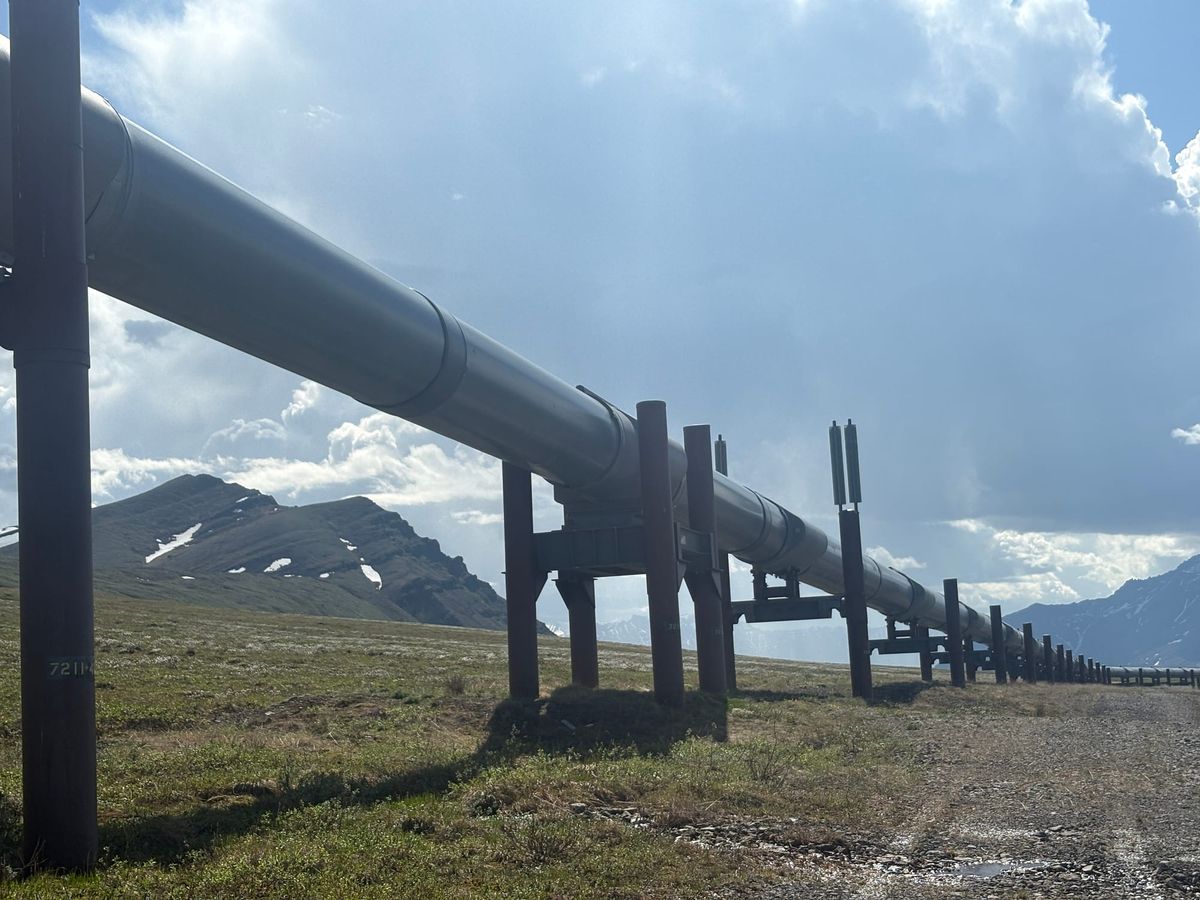
A state appeals board this week determined the property tax value of the enormous 50-year-old pipeline system, which moves crude 800 miles from the North Slope’s oil fields to the port town of Valdez, to be $13 billion.
That’s some $3 billion more than an initial 2026 assessment from Gov. Mike Dunleavy’s administration — meaning the pipeline’s owners would owe $60 million more under the state’s 2% property tax regime.
 Nathaniel Herz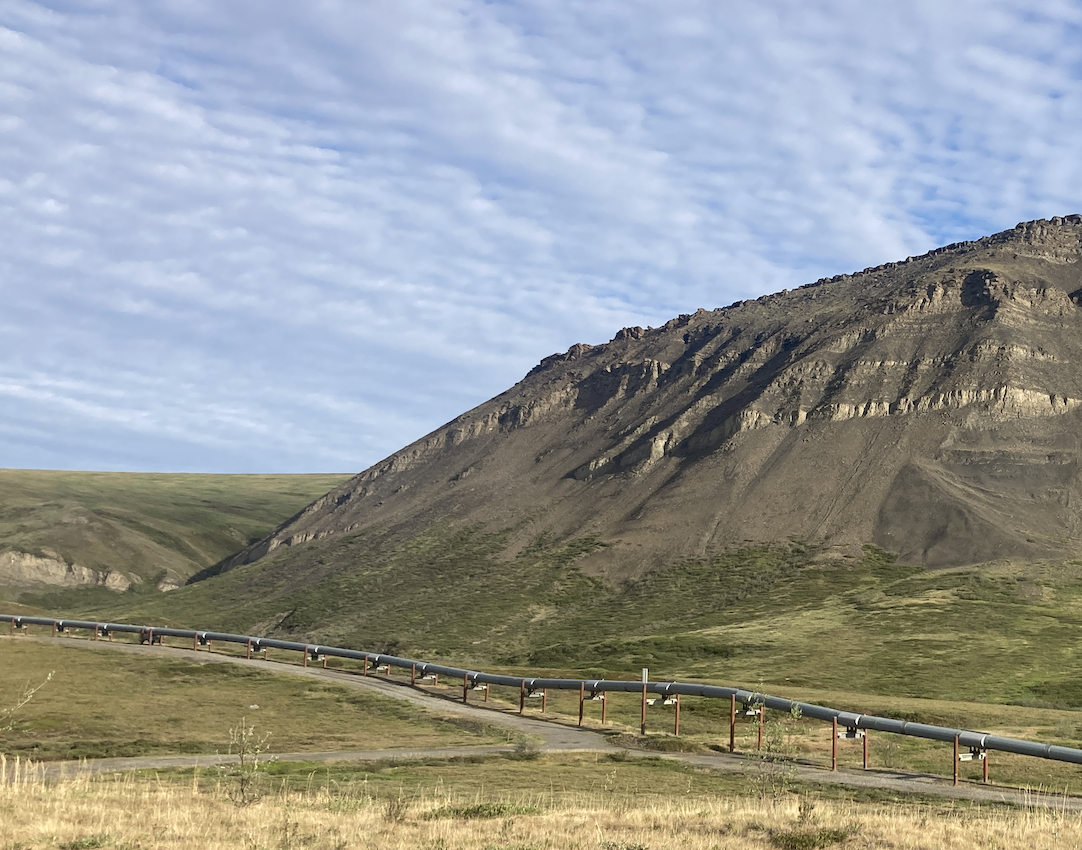
Far more money could be at stake if, as anticipated, the oil companies that own the pipeline and pay the taxes — or the municipalities that collect a share of the taxes — appeal the decision in state court.
A spokesperson for Alyeska Pipeline Service Co., which operates the pipeline system, said the decision is under review by the owners. Alyeska is owned by affiliates of three of Alaska’s major oil producers: Hilcorp, ConocoPhillips and ExxonMobil.
Robin Brena, an Alaska attorney who has long represented the municipalities in pipeline property tax matters, said he expects both parties to appeal the decision.
The dispute dates back decades. Alyeska and the municipalities spent years in court feuding over yearly assessments before reaching a settlement in 2016 that set the pipeline’s value at $8 billion — translating into an annual property tax bill of $160 million.
That money flows to both the state and municipalities; for Valdez, the taxes have represented more than half of the city’s regular recurring revenue. The North Slope and Fairbanks North Star boroughs also receive tens of millions of dollars.
After the settlement expired last year, the state Department of Revenue initially set the pipeline system’s updated value at $10.3 billion.
Both the oil companies and municipalities appealed to the State Assessment Review Board, whose five members are appointed by the governor.
The owners assert that the pipeline system’s value has been declining and is now $2.8 billion — equating to some $56 million in property tax payments.
The municipalities, meanwhile, say the system is depreciating at a much slower rate and still has decades of life left in it, buoyed by new oil development on the North Slope. They estimate that its value is closer to $20 billion, which would translate to some $400 million in property tax revenue.
Brena, the lawyer representing the municipalities, said he’s skeptical of the oil companies' approach.
“To me, the owners are advocating a position which has consistently been about 10% percent of the true value of TAPS,” he said, using the acronym for the pipeline system. “It looks like their motives are to lower their taxes rather than to get the assessment correct.”
The Department of Revenue's 2026 assessment was based on a court-approved method of estimating the cost of replacing the pipeline, then accounting for depreciation.
The state review board concluded that the revenue department used an improper method to calculate depreciation — focusing on past North Slope production rather than on proven oil reserves and expected future production.
The municipalities and oil companies have 30 days from May 22 to appeal the board’s decision to Alaska superior court. Similar pipeline tax cases before the 2016 settlement were appealed all the way to the Alaska Supreme Court.
If you value public interest journalism like this, please consider a voluntary paid membership to the Anchorage Press/Northern Journal. If you're already a paid member, many thanks.