Data center critics flood Alaska land managers with opposition to North Slope project
Hundreds of comments have been filed, with subject lines like "HELL NO! To ANY DATA CENTERS" and "NO AI".

Northern Journal is merging with the Anchorage Press! Read our announcement and other information here, and support us with a subscription here.
Opposition is pouring in against a large data center and power plant proposed for Alaska’s North Slope, as Gov. Mike Dunleavy’s administration considers whether to approve a 50-year lease of state land to the project’s developer.
More than 500 public comments were received before a preliminary deadline set by the Alaska Department of Natural Resources, according to copies of the messages released by the agency.
Fewer than a dozen comments endorsed the project. The vast majority were opposed, often in harsh or strident terms — with subject lines like “HELL NO! To ANY DATA CENTERS” and “NO AI”. One commenter noted explicitly that their message had been written “with my own brain and fingers typing,” rather than generated by artificial intelligence.
“Please incorporate some AI (Alaskan intelligence) into making this decision,” wrote one commenter, who described data centers as “the abandonment of both nature and humanity.”
Comments were initially due to the department’s Division of Oil and Gas in mid-June; the agency has since extended the deadline an extra month, to July 17, due to “the volume of comments received, public interest and requests for extension,” spokesperson Sean Clifton wrote in an email.
Once the deadline passes, the agency will assess the comments before it makes a final decision on the proposed land lease, Clifton said.
An official with Stak Energy, the Anchorage-based company that applied for the lease, said in an emailed statement that the business “is committed to being a responsible steward of the land entrusted to us” and has proposed the lease in an area “far removed from any local communities.”
“Our initial assessment is that the vast majority of the comments are form letters lacking substance other than reflecting an individual's point of view,” said the official, John Boyle, Stak’s chief strategy officer, who previously served as commissioner of Alaska’s natural resources department from 2023 to 2025. Boyle added: “Some of the comments are more substantive and will be addressed in due course.”
The natural resources department released copies of the comments to the Anchorage Press/Northern Journal after it also released them to Stak, though the agency redacted names and other identifying information.
The company is planning a major development that would use abundant natural gas from nearby North Slope oil fields to run power plants that could support artificial intelligence and cloud computing, according to documents it submitted to the state.
 Nathaniel Herz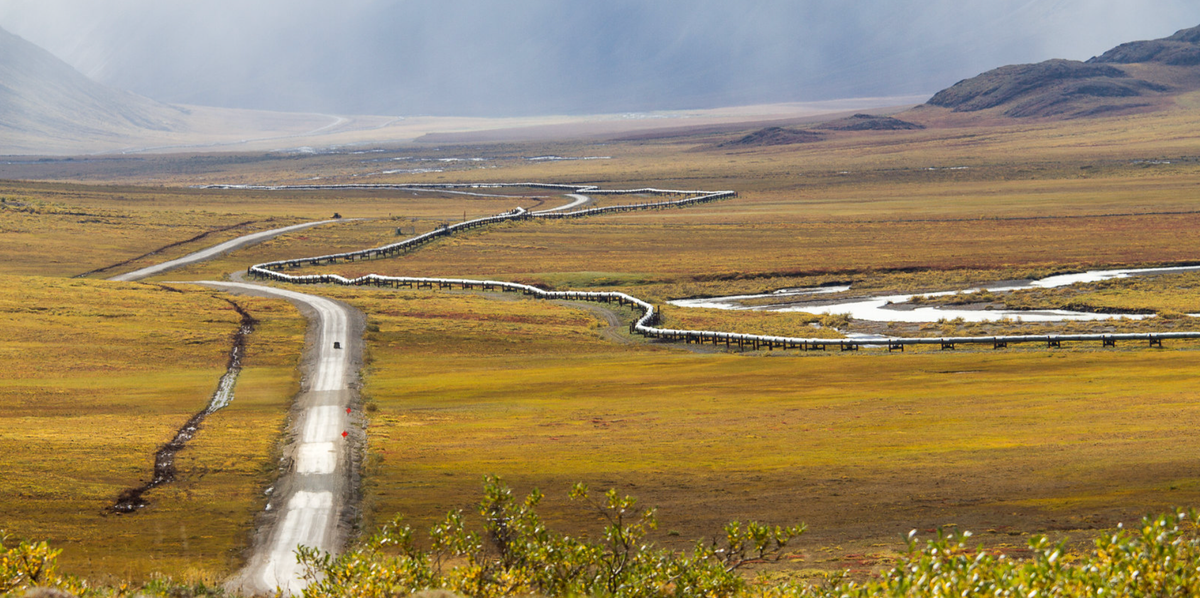
The project, which Boyle said would cost more than $10 billion, would occupy roughly one square mile just off the Dalton Highway, some 25 miles south of the North Slope oil hub of Deadhorse. Its generators could produce a gigawatt or more of power, which is some 30% more than the peak demand of urban Alaska’s entire grid.
Boyle, in his message, stressed that Stak would be focused on generating power and selling it to large-scale computing companies known as “hyperscalers” — and would not operate data centers itself.
“And while we anticipate hyperscalers providing the commercial foundation for our power plant build, Stak will be able to provide power to any entity interested in purchasing it,” he said.
Stak’s project, if built, would be the first large data center development in Alaska. In its lease-related documents, the company said its plans were drafted to avoid the backlash against the industry that’s erupted in other states — where advocates have increasingly protested projects’ land use, pollution and water consumption.
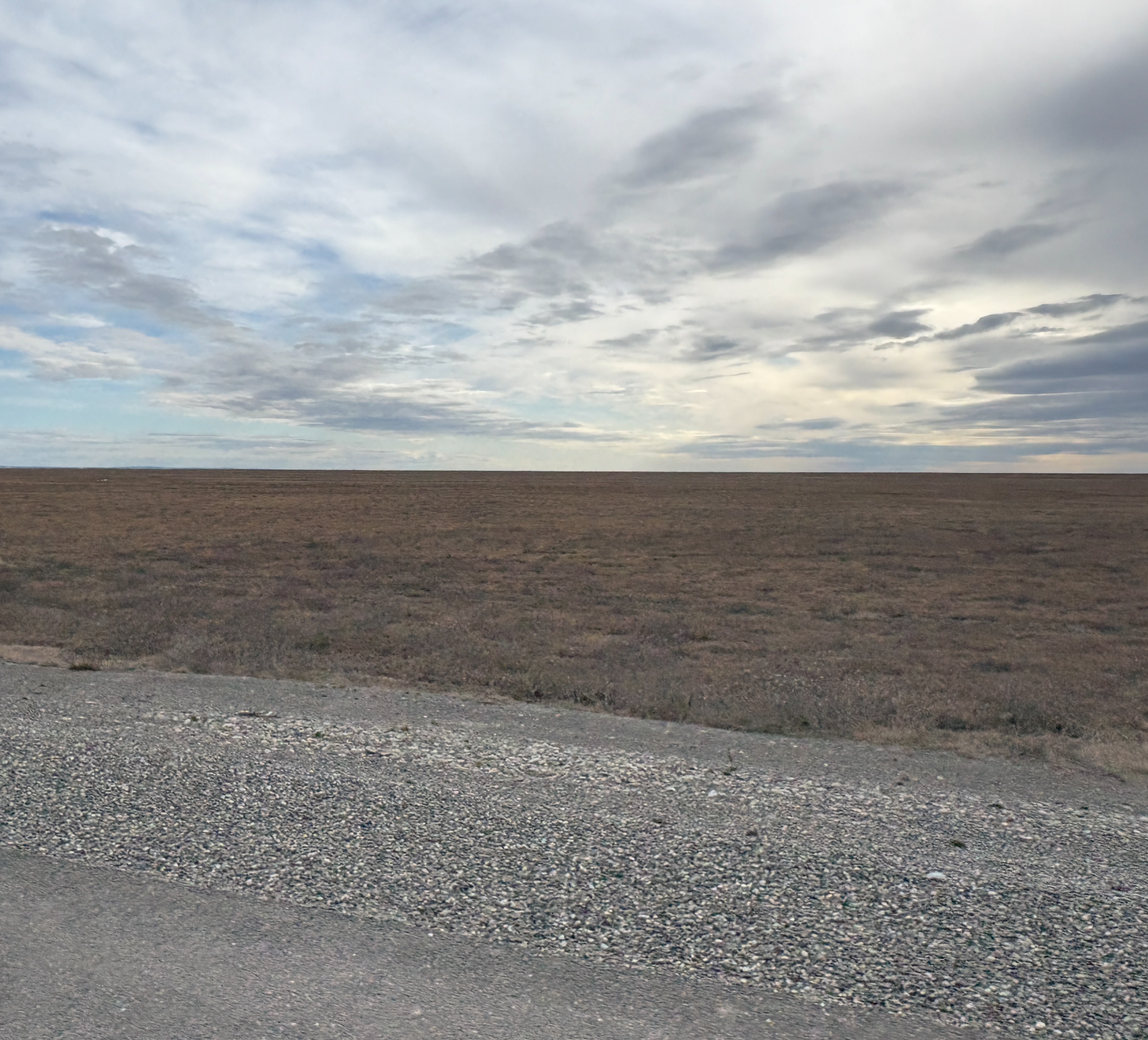
Average annual temperatures at the proposed project site, according to Stak, are 12 F, meaning that the development is expected to need 10% or less of the amount of water that typical data centers use for cooling. There are also no cities or villages within 50 miles of the proposed development except for Deadhorse — an industrial center populated by oil industry employees who live in work camps during multi-day shifts, then fly home.
The few positive comments made some of those points. “The location pretty well leaves NIMBY out of the equation,” one commenter said. “I’m all for this application and this project.”
Other comments against the development used identical language and appeared to stem from templates distributed by opponents. Formal opposition or messages of concern also came in from groups including the Northern Alaska Environmental Center, the Alaska Public Interest Research Group and the Alaska chapter of a sportsman’s group called Backcountry Hunters and Anglers.
But many other messages objecting to the project were unique and written by individuals from across the state — from Kodiak and Kotzebue to Seward, Valdez and the North Slope village of Nuiqsut. Those critics were not sold on Stak’s pitch, and expressed themselves in terms ranging from reasoned and factual to strident and misinformed.
Some commenters, for example, argued that Stak’s project and natural gas consumption would have the effect of raising electricity prices for other Alaskans — many of whom also get their power from natural gas plants.
But the North Slope oil fields are hundreds of miles from urban Alaska and disconnected from the state's power grid, meaning that sales of fuel to Stak would have no direct impact on city-dwellers’ electricity prices.
Others, meanwhile, made factually supported assertions — among them that data centers running on fossil fuels would accelerate climate change, and that the pad that Stak plans to build on the tundra would require huge quantities of gravel, a scarce resource on the North Slope that’s also used by villages and oil developers.
Still others kept their objections short and succinct — and sometimes cheeky.
“No,” was one commenter’s full message, though they added a postscript: “You may build one in Canada though.”
Northern Journal is merging with the Anchorage Press! Read our announcement and other information here, and support us with a subscription here.